
How To
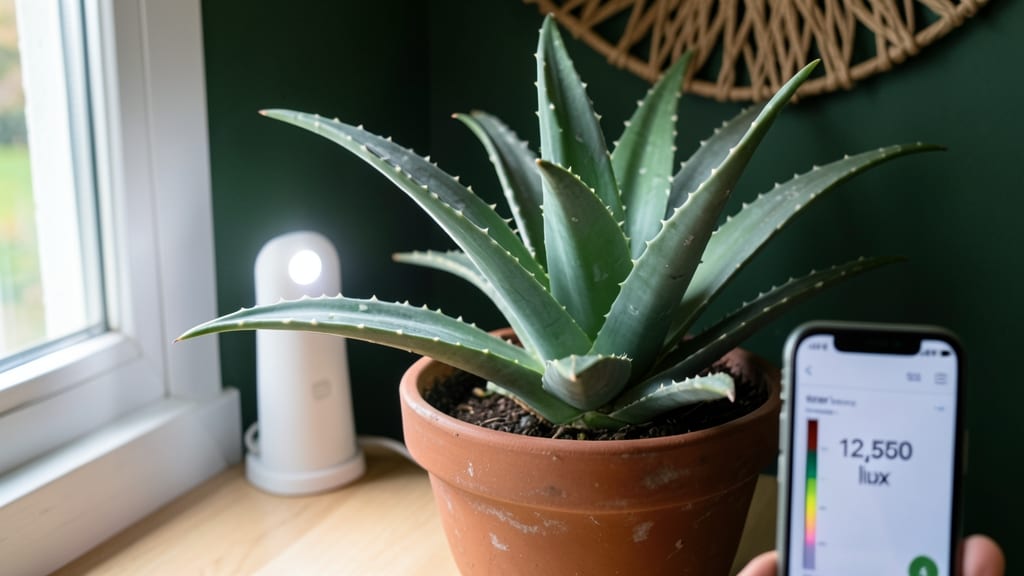
Wondering how much light does aloe plant need to stay healthy and vibrant? If your 🌱 aloe keeps looking sad or stretchy, the light might be the culprit—and fixing it is easier than you think.
Aloe plants thrive in bright, indirect sunlight, but they can handle some direct rays too. Too little light, and they’ll grow leggy; too much, and their leaves can scorch. The key is finding that sweet spot, whether you're keeping it indoors by a sunny window or outdoors in your garden.
In this guide, I’ll break down exactly how to give your aloe the perfect light conditions—no guesswork involved. You’ll learn how to spot signs of light stress, adjust placement for different seasons, and even troubleshoot common issues like yellowing leaves or weak growth.
Let’s get your aloe looking lush and happy again—starting with the right amount of light! Whether you’re a beginner or a seasoned plant parent, these tips will make all the difference.

Ideal light requirements for aloe vera growth and health
Aloe vera thrives in bright indirect sunlight, making it a perfect choice for sunrooms or south-facing windows. While it can handle some direct sun, too much can scorch its delicate leaves.
The key is finding that sweet spot where your aloe gets enough light to grow but isn't stressed by harsh rays.
Outdoors, aloe plants need 6 to 8 hours of sunlight daily. In containers, rotate them occasionally to ensure even growth. If your aloe starts stretching toward the light or developing pale leaves, it’s time to adjust its position.
Seasonal changes also affect light needs—summer sun is more intense than winter light.
Indoors, place your aloe near a south-facing window where it can receive the most natural light. East or west-facing windows work too, but you may need to supplement with grow lights during shorter winter days. Avoid north-facing windows, as they provide minimal light for aloe’s needs.
| Light Condition | Ideal Hours | Best For | Signs of Stress |
|---|---|---|---|
| Bright Indirect Sunlight | 6-8 hours | Indoor or shaded outdoor | Pale leaves, slow growth |
| Direct Sunlight | 4-6 hours (max) | Outdoor or greenhouse | Brown patches, crispy edges |
| Low Light | Less than 4 hours | North-facing windows | Leggy growth, yellowing |
For optimal growth, aim for bright indirect sunlight during the day. If your aloe is outdoors, morning sun and afternoon shade work well. In hot climates, afternoon sun can be too intense, so provide afternoon shade with a sheer curtain or shade cloth.
This balance prevents sunburn while still meeting the plant’s light requirements.
If your aloe isn’t getting enough light, you’ll notice stretched or leggy growth as it reaches for more sunlight. This happens because the plant elongates its stems to access light. To fix this, move your aloe closer to a brighter spot or use a grow light.
A simple LED grow light placed 6-12 inches above the plant can provide the extra light needed for healthy growth.
In winter, when natural light decreases, supplement with artificial light if possible. Aloe plants can become dormant in cooler months, but they still need some light to maintain their health.
If you notice your aloe’s leaves turning yellow or brown, it could be a sign of either too much direct sun or insufficient light. Adjust accordingly to keep your plant happy.
Another key factor is light consistency. Aloe plants prefer stable light conditions, so avoid moving them frequently between dark and bright spots. Sudden changes can stress the plant and lead to poor growth.
If you’re bringing your aloe indoors for the winter, place it near a window where it can receive the most consistent light possible.
For outdoor aloe plants, consider their seasonal light needs. In spring and summer, they can handle more direct sunlight, while in fall and winter, they may need more protection.
Mulching around the base of your outdoor aloe can help regulate soil temperature and retain moisture, which is especially helpful in hot, sunny climates.
Finally, remember that aloe vera is a sun-loving succulent, but it’s not invincible. Too much direct sun can cause leaf scorch, while too little can lead to weak, unhealthy growth.
By paying attention to your aloe’s light needs and adjusting its environment as needed, you’ll help it thrive for years to come. 🌱
How to adjust light conditions for indoor vs. outdoor aloe plants
Aloe plants are famously adaptable, but their light needs shift dramatically between indoor and outdoor settings. Indoors, they thrive near south-facing windows where they get bright indirect sunlight for 6+ hours daily.
Outdoors, they can handle direct sun exposure but need gradual acclimation to avoid sunburn. The key is understanding how to transition your aloe between these environments without shocking its system.
Indoor aloe plants often struggle with low-light conditions, especially in north-facing rooms or behind curtains. If your aloe starts stretching toward the light or developing pale, thin leaves, it’s begging for more brightness. A simple fix is rotating the pot weekly so all sides get even exposure.
For spaces with minimal natural light, supplement with a grow light placed 6-12 inches above the plant for 12-14 hours daily.
Outdoor aloe plants, on the other hand, crave full sun exposure but must be introduced slowly. Start by placing them in partial shade for a few hours daily, then gradually increase their sun time over 1-2 weeks.
This prevents sunburn, which shows up as white or brown patches on the leaves. Once fully acclimated, they’ll handle 6+ hours of direct sun without issue, especially in warmer months.
- Sudden full sun exposure can scorch aloe leaves, causing irreversible damage.
- Placing near cold drafts (like AC vents or open windows in winter) weakens the plant.
- Using fluorescent bulbs alone for indoor lighting—these lack the blue spectrum aloe needs.
Seasonal transitions are critical. In spring, move outdoor aloe plants to partial shade for the first week before placing them in full sun. Conversely, in fall, bring them indoors before temperatures drop below 50°F (10°C), as cold snaps can stunt growth.
If you’re keeping aloe indoors year-round, a south- or west-facing window is ideal, but avoid spots where leaves touch cold glass.
For container-grown aloe, consider using light-colored pots to reflect extra heat, especially in summer. If your aloe starts developing red or purple hues, it’s a sign of too much direct sun—move it to a shadier spot immediately.
Conversely, if leaves turn yellow or stretch, it’s time to boost the light. Balance is everything with aloe!
Pro tip: Group aloe plants with other sun-loving succulents like echeveria or sedum. They’ll all thrive in the same bright conditions, creating a stunning, low-maintenance display. Just remember—aloe’s light needs are flexible, but consistency is key to keeping it healthy year-round.