
Plants
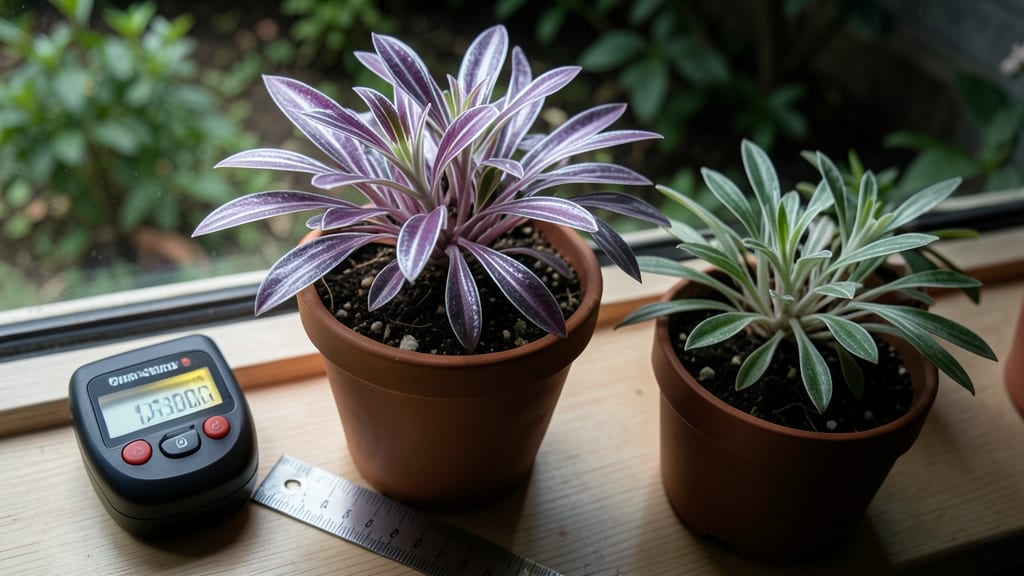
If you’re wondering how much light does an inch plant need, the answer is bright, indirect light—never harsh, direct sun that can scorch its delicate leaves. This picky little beauty thrives in the perfect balance, staying lush when happy and stretching sadly when neglected.
I’ve learned the hard way that inch plants are fussy about their light conditions: too much sun turns their leaves crispy, while too little leaves them weak and leggy. The key is finding that sweet spot where they get enough light to grow but stay protected from the harshest rays.
Whether you’re placing yours near a window or using grow lights, I’ll show you exactly how to set up the perfect lighting situation.
You’ll discover the best spots in your home, how to tell if your plant is getting just the right amount, and even how to adjust for seasonal changes.
Let’s get your inch plant flourishing with the ideal light setup—no more guesswork, just happy, healthy growth. Ready to transform that sad little plant into a vibrant showstopper?

Optimal light requirements for inch plants: bright indirect sunlight explained
Your inch plant (Tradescantia sillamontana) thrives in bright indirect sunlight, but understanding what that means can be tricky. Unlike high-light plants, it can’t handle harsh afternoon rays, yet it needs more than a dim corner.
Think of it as the Goldilocks of light—not too bright, not too dim, but just right for vibrant foliage and compact growth.
The key is 4–6 hours of bright, filtered light daily. This mimics its natural understory habitat, where dappled sunlight filters through taller trees. Direct sun for more than 2–3 hours risks leaf scorch, while too little light causes leggy, weak stems and pale leaves.
Balancing this is easier than you think with a few simple adjustments.
| Light Condition | Ideal Duration | Leaf Color | Growth Pattern |
|---|---|---|---|
| Bright Indirect Light | 4–6 hours/day | Deep purple/pink hues | Compact, bushy |
| Low Light | <2 hours/day | Pale green/yellow | Leggy, sparse |
| Direct Sunlight | >3 hours/day | Brown/white patches | Stunted, crispy edges |
Seasonal changes can throw off your inch plant’s light balance. In winter, when sunlight is weaker, move it 2–3 feet closer to a window. In summer, shield it from intense afternoon sun with a sheer curtain or rotate the pot every few days for even exposure.
A north-facing window is ideal year-round, while east or west windows work well with morning or late-afternoon sun.
If you’re unsure whether your spot qualifies as "bright indirect," test it for 2–3 days. Hold a white piece of paper near your plant—if the shadows are soft and diffused (not sharp), it’s perfect.
For indoor growers, a LED grow light on a timer (12–14 hours/day) can supplement low-light areas, especially in winter.
Outdoor inch plants love shaded patios or under tree canopies, where they get dappled sunlight all day. Avoid placing them in full sun, even if they’re in pots—they’ll cook quickly.
In containers, ensure the pot has drainage holes to prevent root rot from overwatering, which becomes a bigger issue when light stress weakens the plant.
Pro tip: Rotate your plant quarter-turns every week to encourage even growth. This prevents one side from leaning toward the light source, keeping those signature purple-pink leaves vibrant on all stems. Think of it like giving your plant a gentle massage to stay balanced and healthy.
For advanced growers, consider a photoperiod light set to mimic natural daylight cycles. This isn’t just for show—it can boost growth by 30% in low-light conditions. Just avoid leaving it on 24/7; inch plants need 8–10 hours of darkness to rest and recharge.
Remember, every inch plant is unique. If yours starts to look stretched or pale, it’s craving more light. If the leaves develop brown spots, it’s begging for shade. Adjust gradually—no sudden moves—to avoid shocking the plant.
With the right light, your inch plant will reward you with lush, colorful foliage that’s the envy of every plant parent.
🌱
Signs your inch plant isn’t getting enough (or too much) light
Your inch plant (Tradescantia sillamontana) communicates its light needs through subtle (and not-so-subtle) cues. If the leaves start stretching toward the light, it’s begging for more bright indirect sunlight. This leggy growth occurs when the plant reaches for light, creating weak, elongated stems that can’t support themselves.
Even worse, the leaves may turn pale or yellowish, losing their signature deep purple or green hues.
On the flip side, too much direct sunlight—especially harsh afternoon rays—can cause sunburn marks. These appear as crispy, brown edges or patches on the leaves, almost like the plant got a bad sunburn.
If you notice these signs, your inch plant is getting too much direct light and needs immediate shade relief. The key is finding that sweet spot where the plant thrives without stress.
🌱 🌱 Did You Know? 🌱 Inch plants can recover from mild light stress, but chronic issues lead to permanent damage.
| Symptom | Cause | Solution |
|---|---|---|
| Stretched, weak stems | Too little light | Move to bright indirect light (e.g., east-facing window) |
| Pale or yellow leaves | Low light | Rotate plant weekly for even exposure |
| Brown, crispy leaf edges | Too much direct sun | Filter light with sheer curtain; avoid afternoon sun |
| Slow or no new growth | Insufficient light | Supplement with grow lights (12-14 hrs/day) |
| Dark purple-black leaves | Normal in low light (anthocyanin production) | Gradually increase light to restore green hues |
For underlit inch plants, start by moving them closer to a window—but avoid south-facing spots where direct sun can scorch. If your home lacks natural light, a LED grow light (6,000-6,500K color temperature) placed 6-12 inches above the plant can mimic ideal conditions.
Aim for 12-14 hours of light daily to encourage compact, vibrant growth.
When dealing with over-lit plants, the fix is simpler: relocate to a shadier spot or add a sheer curtain to diffuse harsh rays. If the damage is severe, trim the affected leaves to redirect energy to healthier growth. Remember, inch plants are resilient—they’ll bounce back with the right adjustments!
Pro tip: Rotate your plant quarter-turns weekly to ensure even light exposure. This prevents lopsided growth and helps the plant develop uniformly. Watch for these cues, and your inch plant will reward you with lush, colorful foliage year-round.
✂️ ✂️ Quick Fix: Snip leggy stems just above a leaf node to encourage bushier growth and redirect energy.