
Plants
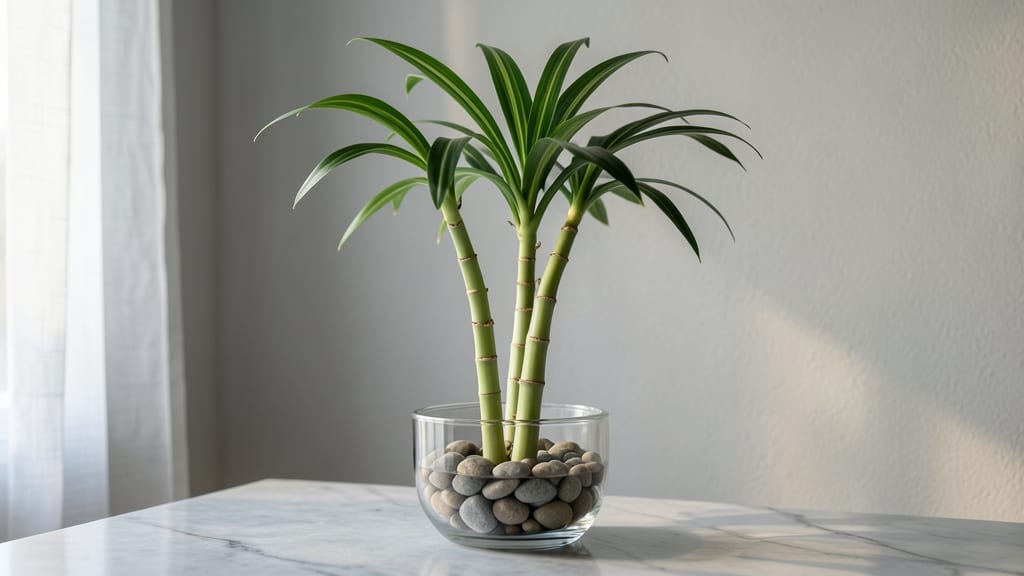
Ever wondered just how tall a bamboo plant can grow? The answer might surprise you—some varieties stretch taller than a three-story building, while others stay compact enough for small gardens.
Whether you're planning a privacy screen or a space-saving accent plant, understanding bamboo's growth potential is the key to making the right choice for your outdoor space.
Bamboo's height varies dramatically depending on the species, with dwarf types reaching just 5-10 feet and giants towering over 100 feet. The fastest-growing varieties can shoot up 3 feet per year, making them a stunning but potentially overwhelming addition if not properly managed.
For gardeners in USDA Zone 6a, selecting the right type ensures both beauty and practicality.
In this guide, I'll break down the height ranges of popular bamboo species—from clumping varieties that stay neat to running types that spread aggressively. You'll also discover space-saving hacks like root barriers and container gardening to keep even the tallest bamboo in check.
Whether you're dreaming of a lush bamboo grove or need a low-maintenance ornamental, this is your roadmap to success.
Ready to transform your garden? Let's explore how to choose the perfect bamboo for your space, control its growth, and create a stunning focal point that thrives year after year. Your dream outdoor oasis starts with the right plant—and the right knowledge.

Bamboo growth heights by species: from dwarf to giant varieties
Bamboo’s height range is one of its most fascinating—and intimidating—traits. Some varieties stay small enough for containers, while others grow taller than a three-story building. The key difference lies in whether they’re running or clumping types, each with distinct growth habits and space requirements.
Running bamboos, like Phyllostachys species, spread aggressively via underground rhizomes, often reaching 50-100 feet tall in ideal conditions. Clumping bamboos, such as Fargesia, grow in tight clusters and rarely exceed 10-20 feet, making them perfect for smaller gardens.
Here’s how to choose the right variety based on your space and aesthetic goals:
| Variety Type | Height Range | Spread | Best For | Example Species |
|---|---|---|---|---|
| Dwarf Clumping | 5–10 ft | 3–5 ft | Containers, small gardens | Bambusa multiplex 'Tiny Bull' |
| Semi-Dwarf Clumping | 10–25 ft | 5–10 ft | Privacy screens, mid-sized yards | Fargesia robusta |
| Standard Clumping | 25–50 ft | 10–15 ft | Large gardens, natural landscapes | Bambusa vulgaris |
| Running (Aggressive) | 50–100+ ft | 20–50+ ft (rhizomes) | Large properties, containment required | Phyllostachys aureosulcata |
| Giant Running | 60–120 ft | 30–60+ ft (rhizomes) | Tropical climates, rural areas | Dendrocalamus asper |
The fastest-growing bamboos, like Phyllostachys, can add 3-5 feet per year under ideal conditions. However, their spread is often more problematic than their height. For example, Phyllostachys aureosulcata (Golden Grove Bamboo) can reach 60 feet tall but spreads aggressively, requiring rhizome barriers to prevent takeover.
Clumping bamboos, such as Fargesia, are far easier to manage. Varieties like Fargesia nitida (Fountain Bamboo) stay under 10 feet and form dense, ornamental clumps. These are ideal for urban gardens or container growing, where space is limited.
If you’re planning a privacy screen, consider Bambusa multiplex varieties like 'Alphonse Karr,' which grows 15-20 feet tall but remains clumping. For tropical landscapes, Dendrocalamus species can tower over 100 feet, but they’re best suited for large estates with containment systems.
Always check your local USDA hardiness zone—some giant bamboos thrive only in Zones 8-11, while dwarf varieties like Bambusa multiplex can survive in Zones 7-10. Matching the species to your climate ensures healthy growth without unexpected surprises.
For small-space gardening, prioritize clumping types and dwarf varieties. Even running bamboos can be contained with root barriers or large pots, but they require more maintenance. The right choice depends on your garden size, climate, and willingness to manage growth.
Bamboo growth heights by species: from dwarf to giant varieties
When choosing bamboo for your garden, height is the first consideration—especially if you're working with limited space. The fastest-growing bamboo can reach 100 feet in ideal conditions, while dwarf varieties stay under 6 feet.
Understanding these differences helps you pick the perfect plant for your landscape, whether you need a privacy screen or a small patio accent.
Bamboo falls into two main growth categories: running bamboo (aggressive spreaders) and clumping bamboo (compact and controlled). Running types like Phyllostachys aureosulcata grow 3 feet per year, while clumping varieties such as Fargesia robusta remain tidy and manageable. Let's explore the height ranges of popular species to help you decide.
| Variety | Type | Mature Height | Growth Rate | Best For |
|---|---|---|---|---|
| Bambusa multiplex 'Tiny Bull' | Clumping | 5-10 ft | 1-2 ft/year | Small gardens, containers |
| Fargesia robusta | Clumping | 10-25 ft | 1-3 ft/year | Medium spaces, privacy screens |
| Phyllostachys aureosulcata | Running | 30-80 ft | 3-5 ft/year | Large properties, windbreaks |
| Dendrocalamus asper | Running | 60-100 ft | 5+ ft/year | Tropical climates, large estates |
| Bambusa oldhamii | Clumping | 15-25 ft | 2-3 ft/year | Urban gardens, small yards |
For gardeners in USDA Zone 6a, dwarf and semi-dwarf varieties like Bambusa multiplex are ideal for small spaces, while Fargesia robusta offers a balance of height and containment.
If you're aiming for a dramatic focal point, running bamboo like Phyllostachys aureosulcata delivers rapid vertical growth—but only if you're prepared for its expansive root system.
One common misconception is that all bamboo grows aggressively. In reality, clumping bamboo forms tight clusters and rarely spreads beyond its base, making it perfect for small gardens or containers.
Meanwhile, running bamboo sends out rhizomes that can travel 20+ feet per year, requiring careful containment if you want to keep it in check.
If you're unsure which type to choose, consider your garden's layout and maintenance preferences. For example, Bambusa oldhamii reaches 15-25 feet but stays clumped, while Dendrocalamus asper is better suited for large properties due to its 60-100 foot height.
Always research a species' mature size before planting to avoid unexpected surprises.
Ready to pick the perfect bamboo? Start by measuring your space and matching it to the height ranges above. For even more control, explore root barriers or container gardening—both are great ways to manage growth without sacrificing aesthetics. 🌿