
Plants
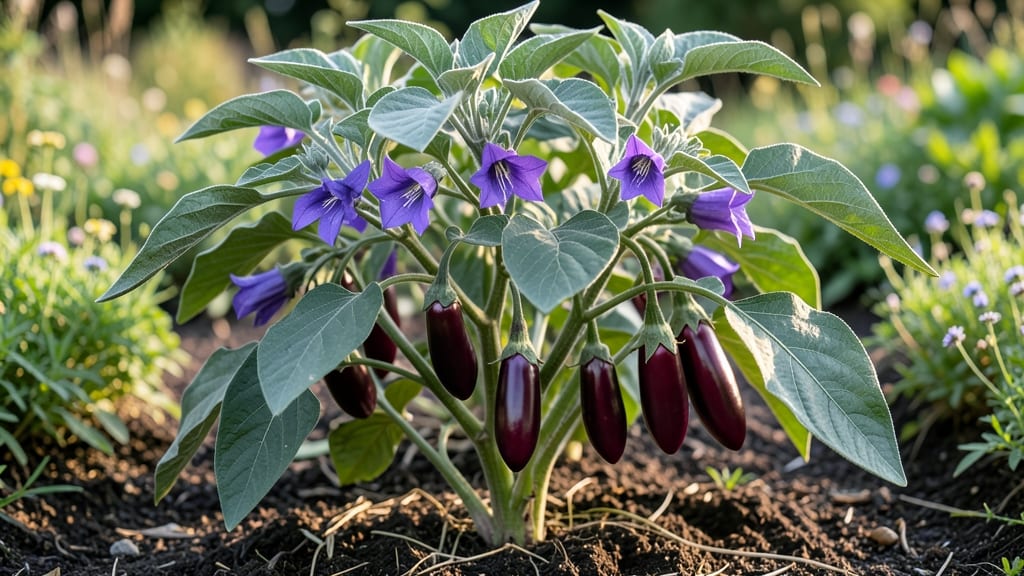
If you’ve ever eyed a 🍆 plant and wondered, "How tall do eggplant plants grow?"—the answer might surprise you. These versatile veggies can range from compact bush varieties under 2 feet to towering giants that stretch toward the sky, depending on the type and growing conditions.
The height of your eggplant isn’t just about aesthetics—it directly affects how you’ll space them in your garden or containers. Standard varieties typically hit 2 to 3 feet, while some dwarf types stay under 18 inches, making them perfect for small spaces or balconies.
But here’s the kicker: taller eggplants often need extra support, like stakes or trellises, to keep them upright and productive. Meanwhile, shorter varieties thrive in pots or tight garden beds, giving you flexibility no matter your setup.
Whether you’re working with a backyard plot or a sunny windowsill, understanding your eggplant’s potential height helps you plan for success. Let’s break down the best varieties for your space and how to keep them growing strong.

Eggplant height ranges: from dwarf varieties to giant cultivars
Eggplants aren’t one-size-fits-all—some stay as short as 12 inches, while others can stretch toward 4 feet or more. Understanding these height ranges helps you plan your garden layout, choose the right varieties, and provide proper support.
Whether you’re working with a balcony container or a large backyard plot, knowing your eggplant’s mature height ensures you give it the space and care it needs to thrive.
Most eggplant varieties fall into three height categories: dwarf (1–2 ft), medium (2–3 ft), and tall (3–4+ ft). Dwarf varieties are perfect for small spaces or container gardening, while tall types need staking or trellising to prevent sprawling.
Even within these categories, growth habits vary—some stay bushy, while others grow indeterminately with long, vine-like stems.
Here’s how eggplant height breaks down by category, along with popular varieties and care considerations for each:
| Height Category | Mature Height | Popular Varieties | Growth Habit | Best For |
|---|---|---|---|---|
| Dwarf | 1–2 ft | 'Fairy Tale,' 'Patio Baby,' 'Tiny Tim' | Compact, bushy | Containers, small gardens, balconies |
| Medium | 2–3 ft | 'Black Beauty,' 'Ichiban,' 'Rosa Bianca' | Bushy to semi-vining | In-ground beds, raised beds, small plots |
| Tall | 3–4+ ft | 'Long Purple,' 'Mirage,' 'Ichiban' (some strains) | Indeterminate, vining | Large gardens, trellises, vertical gardening |
Taller eggplants often produce larger fruit and higher yields, but they require more space and support. For example, 'Long Purple' can reach 4 feet and needs staking to keep stems upright. In contrast, 'Patio Baby' stays under 18 inches tall, making it ideal for 5-gallon containers on patios.
Even within the same category, growth can vary based on pruning habits, soil fertility, and sunlight exposure.
Height also affects harvest timing. Taller varieties often take slightly longer to mature because they put energy into stem growth before flowering. For instance, 'Black Beauty' (a medium-height variety) typically reaches harvest in 70–80 days, while dwarf 'Fairy Tale' may be ready in 60–70 days.
If you’re growing in a shorter season, opt for dwarf or semi-dwarf varieties to ensure you get fruit before the first frost.
Pruning plays a huge role in managing eggplant height. Most gardeners prune suckers (side shoots) to encourage upward growth and improve air circulation. For tall varieties, pruning also helps direct energy toward fruit production rather than excessive foliage.
I’ve found that pruning 'Ichiban' to 3 main stems keeps it manageable while boosting yield—even though it’s naturally a semi-vining type.
Another factor influencing height is container size. Eggplants grown in small pots (under 5 gallons) often stay shorter because their roots are restricted. However, they may also produce smaller fruit if the container isn’t deep enough.
For container gardening, choose dwarf varieties or use large fabric grow bags (at least 7 gallons) to accommodate root growth while keeping height in check.
If you’re new to growing eggplants, start with a medium-height variety like 'Black Beauty' or 'Rosa Bianca.' These strike a balance between manageable size and productivity. They’re forgiving for beginners and adapt well to in-ground planting or raised beds.
Once you’re comfortable, experiment with taller or dwarf types to see what works best in your space.
Remember, eggplant height isn’t set in stone—it’s influenced by your care routine. Providing rich, well-draining soil, consistent watering, and adequate sunlight will help your plants reach their full potential.
And if you’re short on space, don’t overlook the compact varieties—they’re just as productive (and often more flavorful) as their taller cousins!
How eggplant height impacts your garden layout and support needs
Eggplant height isn’t just about aesthetics—it’s a game-changer for your garden plan. A 2-foot dwarf variety fits snugly in a container, while a 3-foot giant needs elbow room and support. Tall eggplants sprawl or topple without proper care, while compact types thrive in tight spaces.
Standard eggplants (like 'Black Beauty') typically reach 2.5 to 3 feet, requiring 18-24 inches of spacing between plants. This means they’re ideal for in-ground beds but may need staking if winds are strong.
Meanwhile, dwarf varieties (such as 'Fairy Tale') stay under 18 inches, making them perfect for balconies or small pots.
Here’s the key: Taller eggplants benefit from pruning and staking to direct energy upward and prevent disease. Without support, their heavy fruit can cause branches to snap. Compact types, however, rarely need extra help—their bushy growth keeps them stable on their own.
🌱 Pro Tip: If you’re growing tall eggplants in containers, choose large pots (at least 12 inches deep) and use cage supports or bamboo stakes to keep them upright. This prevents root-bound stress and encourages stronger stems.
-
Dwarf Varieties (1-2 ft)
Ideal for containers, balconies, or small plots. No staking needed. -
Standard Varieties (2.5-3 ft)
Need 18-24" spacing; stake or cage for support. -
Tall Hybrids (3+ ft)
Requires trellises or strong stakes; prune for airflow.
For small-space gardeners, prioritize bush varieties like 'Patio Baby', which produces mini eggplants on plants under 18 inches. These are perfect for patio pots or window boxes, and their compact size means you can fit 4-6 plants in a 5-gallon container.
If you’re working with a large garden bed, taller varieties like 'Ichiban' (a Japanese heirloom) can reach 3-4 feet and produce foot-long fruits. To manage their height, prune side shoots and use tomato cages for support.
This keeps the plant upright and improves air circulation, reducing the risk of fungal diseases like powdery mildew.
🌿 Remember: No matter the height, all eggplants need well-draining soil and consistent watering. Tall varieties may need extra mulch to retain moisture and suppress weeds, while compact types benefit from regular harvesting to encourage more fruit production.