
Plants
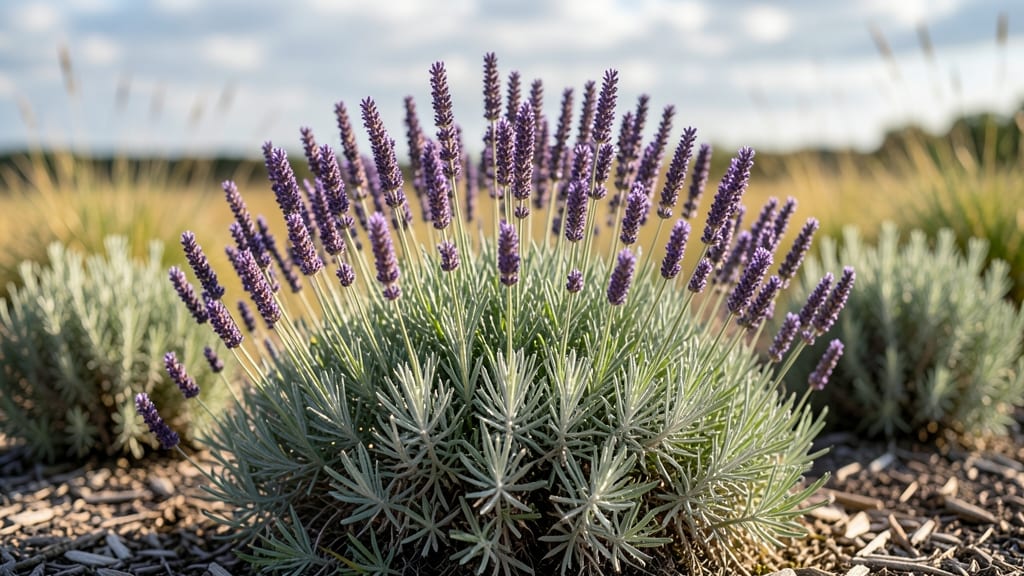
If you’ve ever wondered how tall does a lavender plant grow—or whether your garden has room for its fragrant beauty—you’re not alone. Lavender’s height can range wildly, from tiny 1-foot dwarf varieties to towering 4-foot giants, depending on the type and care you provide.
For most gardeners in Zone 6a, standard lavender like English or Spanish types typically reach 2–3 feet at maturity, making them perfect for borders or containers. But with the right pruning and spacing, you can keep even the tallest varieties in check—no overgrown hedges required.
Whether you’re planning a cozy window box or a sprawling herb garden, knowing lavender’s growth habits helps you avoid crowding and maximize fragrance. I’ll break down the height ranges by variety, plus pro tips to control growth naturally—so you can enjoy 🌿 lavender without the fuss.
Ready to transform your garden? Let’s dive into the varieties that fit your space—and how to keep them thriving year after year.

Lavender plant height ranges by popular varieties (with visual guide)
If you've ever wondered whether your lavender will stretch toward the sky or stay compact in containers, the answer lies in the variety. Lavender heights range from 1-foot dwarfs to 4-foot giants, making it a versatile choice for any garden.
The key to choosing the right type starts with understanding how tall each grows at maturity—and how to maintain its ideal shape.
Most gardeners focus on three main lavender categories: English, French, and Spanish lavender, each with distinct growth habits. English lavender, like the popular 'Munstead', typically reaches 2-3 feet, while Spanish lavender varieties such as 'Papillon' can grow up to 3-5 feet.
Dwarf varieties like 'Hidcote' stay under 18 inches, perfect for window boxes or small gardens.
Here’s the critical factor: soil drainage and pruning habits can influence height by up to 20%. Poor drainage or overwatering can cause leggy growth, while proper pruning keeps plants bushy and at their ideal height.
Let’s break down the most popular varieties and their mature heights to help you plan your garden layout.
Below is a quick-reference table comparing the most common lavender varieties, their mature heights, and ideal growing conditions. This will help you visualize how each type fits into your space—whether you're designing a fragrant hedge or a small container garden.
| Variety | Mature Height | Growth Habit | Best For |
|---|---|---|---|
| English Lavender (e.g., 'Munstead') | 2-3 ft | Bushy, upright | Hedges, borders, containers |
| French Lavender (e.g., 'Grosso') | 2-4 ft | Tall, slender spikes | Cut flowers, tall borders |
| Spanish Lavender (e.g., 'Papillon') | 3-5 ft | Very tall, woody stems | Large gardens, background planting |
| Dwarf Lavender (e.g., 'Hidcote') | 1-1.5 ft | Compact, rounded | Window boxes, small pots, rock gardens |
| Semi-Dwarf (e.g., 'Lavandula stoechas') | 2-3 ft | Medium height, bushy | Mixed borders, containers |
As you can see, English lavender is the most versatile for home gardens, offering a balanced height of 2-3 feet. This makes it perfect for creating fragrant hedges or lining pathways.
If you're working with limited space, dwarf varieties like 'Hidcote' or 'Anouk' are game-changers—they thrive in window boxes or hanging baskets while still delivering that signature lavender scent.
For those with larger gardens, Spanish lavender varieties can create stunning vertical accents, especially when planted in groups. Their tall, woody stems (up to 5 feet) make them ideal for background planting or as a natural screen.
Just be prepared for their aggressive spread, which requires more space between plants.
One common mistake I see is assuming all lavender grows the same height. French lavender, for example, can reach 4 feet if left unpruned, while English lavender stays more compact.
This difference is why I always recommend checking the variety’s mature height before planting—it saves a lot of headaches later!
Pro tip: If you're using lavender in containers, choose dwarf varieties to prevent root-bound issues. A 12-inch pot is perfect for 1-foot-tall lavender, while larger containers (18+ inches) can accommodate 2-3 foot varieties.
Always use a well-draining potting mix with added perlite or sand to mimic lavender’s natural Mediterranean soil conditions.
Finally, remember that pruning plays a huge role in controlling height. Regular pruning after flowering keeps plants bushier and shorter, while neglect can lead to leggy, overgrown stems.
We’ll dive deeper into pruning techniques in the next section, but for now, keep this table handy as your go-to reference for lavender heights!
How to control lavender height: pruning & care tips for compact growth
If your lavender plants are reaching for the sky instead of staying at your desired height, don’t worry—you’re not alone! Most lavender varieties grow taller than expected when left unchecked, but with the right pruning techniques and care practices, you can easily keep them in check.
The key is timing and method, as lavender responds best to light, strategic cuts rather than heavy-handed trimming.
First, understand that lavender grows on woody stems, so pruning too aggressively can damage the plant. Aim to remove only 1/3 of the plant’s height at a time, focusing on brown or leggy stems first.
This encourages bushier, more compact growth while preserving the plant’s health. Always use clean, sharp pruning shears to avoid tearing the stems.
🌿 When to prune is just as important as how. The best time to trim lavender is right after flowering, typically in late summer or early fall. This allows the plant to recover before winter dormancy.
Avoid pruning in spring, as new growth needs time to harden off before cold weather. If you notice overgrowth in spring, simply tidy up any dead or damaged stems without cutting back into old wood.
Here’s a quick pruning