
How To
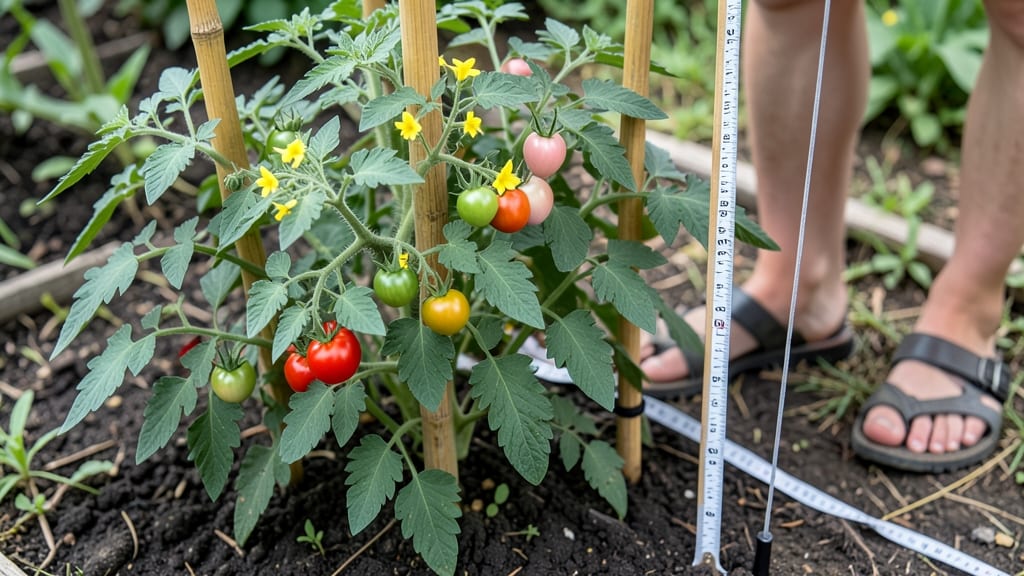
If you're planning your garden layout this spring, knowing how tall does a cherry tomato plant grow could save you from cramped vines or wasted space. These sweet, bite-sized 🍅 wonders come in two main types—determinate (bushy, compact) and indeterminate (vining, sky-reaching)—and their height differences are night-and-day.
The average cherry tomato plant ranges from 1 foot to a towering 6 feet, depending on the variety and growing conditions. Determinate types like 'Tiny Tim' stay manageable at 2-3 feet, while indeterminate varieties such as 'Sweet 100' can climb to 6 feet or more without proper support.
Without training, those long vines can sprawl everywhere, stealing space from other plants.
But here's the good news: with the right support—like sturdy cages, trellises, or stakes—you can control their height and even encourage more fruit production. I'll show you exactly how to choose the best support system and when to prune for healthier, more manageable plants.
Let's make sure your cherry tomatoes thrive without taking over your garden!
Whether you're a beginner or a seasoned gardener, understanding these growth habits will help you maximize your harvest. From compact varieties perfect for containers to towering vines that need vertical space, we'll cover it all so you can plan your garden like a pro.

Cherry tomato plant height by variety: indeterminate vs determinate growth charts
If you're planning your garden layout, knowing how tall your cherry tomato plants will grow is essential. These plants fall into two main categories: indeterminate and determinate varieties, each with distinct height patterns.
Indeterminate types keep growing until frost, while determinate varieties stop at a set height. Let’s break down the specifics so you can choose the right variety for your space.
For indeterminate cherry tomatoes, expect vines to reach 6-10 feet tall if left unsupported. Popular varieties like 'Sweet Million' or 'Sun Gold' will climb aggressively, requiring strong trellises or cages.
In contrast, determinate varieties like 'Tiny Tim' or 'Patio Princess' max out at 2-4 feet tall, making them ideal for containers or small gardens.
Here’s a quick comparison to visualize the differences:
The height of your cherry tomato plants also depends on growing conditions. Plants in full sun with rich soil and consistent watering will grow taller and produce more vigorously. If your garden has limited vertical space, consider dwarf or determinate varieties to avoid overcrowding.
For indeterminate types, plan for vertical support from day one. These plants can become top-heavy with fruit, so sturdy stakes or cages are a must. Without support, vines may sprawl, leading to disease risks and reduced yields. Prune regularly to manage height and improve airflow.
If you’re growing determinate varieties, they’ll naturally stay compact, but you can still use small cages or stakes to keep them upright. This prevents fruit from touching the soil, reducing the risk of rot or pests. Always harvest regularly to encourage more production and maintain plant health.
For container gardening, choose dwarf or determinate varieties like 'Tumbling Tom' or 'Micro Tom'. These stay under 3 feet tall and thrive in 5-gallon pots with proper drainage. Just ensure they get 6-8 hours of sunlight daily to maximize growth and fruit set.
Remember, pruning plays a huge role in managing height. For indeterminate types, pinch off suckers (side shoots) to direct energy toward fruit production. This keeps the plant more manageable and improves air circulation, reducing disease risks.
Pro tip: If you’re unsure about your garden’s vertical space, start with a determinate variety. They’re low-maintenance and perfect for beginners. For experienced gardeners, indeterminate types offer bigger harvests but require more attention to support and pruning.
🌱
Support needs for tall cherry tomato plants: cages, trellises, and staking solutions
Tall cherry tomato plants—especially indeterminate varieties—often need support to prevent sprawling vines and maximize fruit production. Without proper support, your plants may flop over, leading to diseased fruit or lost harvests. The right support system depends on your plant’s mature height and your garden layout.
For determinate varieties (3–5 ft tall), sturdy cages or stakes work well, while indeterminate types (6+ ft) require trellises or tall stakes. I’ve found that DIY trellises made from bamboo or metal pipes are cost-effective and durable for heavy vines.
Key factors when choosing support:
- Plant height (dwarf vs. standard)
- Garden space (vertical vs. horizontal)
- Wind exposure (sturdier supports needed)
- Ease of maintenance (access for pruning/harvesting)
Support Solutions for Cherry Tomatoes
- 🪴 Cages (3–5 ft): Best for determinate varieties. Choose 5+ ft tall for indeterminate types.
- ✂️ Trellises (6+ ft): Ideal for indeterminate plants. Use galvanized wire or wooden frames for durability.
- 🪵 Stakes (4–6 ft): Simple and space-efficient. Tie vines with soft plant ties to avoid damage.
- 🌿 Florida Weave: DIY trellis using bamboo stakes and twine. Great for heavy vines.
Install supports early—as soon as plants reach 12 inches tall. Gently weave vines through cages or tie them to trellises to encourage upward growth. Avoid over-tightening, as this can strangle stems.
For container gardening, opt for compact cages or small trellises (3–4 ft tall). I’ve had success with 5-gallon bucket trellises, which fit perfectly on patios. Just ensure the container has drainage holes to prevent root rot.
Prune regularly to manage height and improve airflow. Remove suckers (side shoots) to redirect energy to fruit production. With the right support, your cherry tomatoes will thrive—and your harvest will be bountiful! 🍅