
Plants
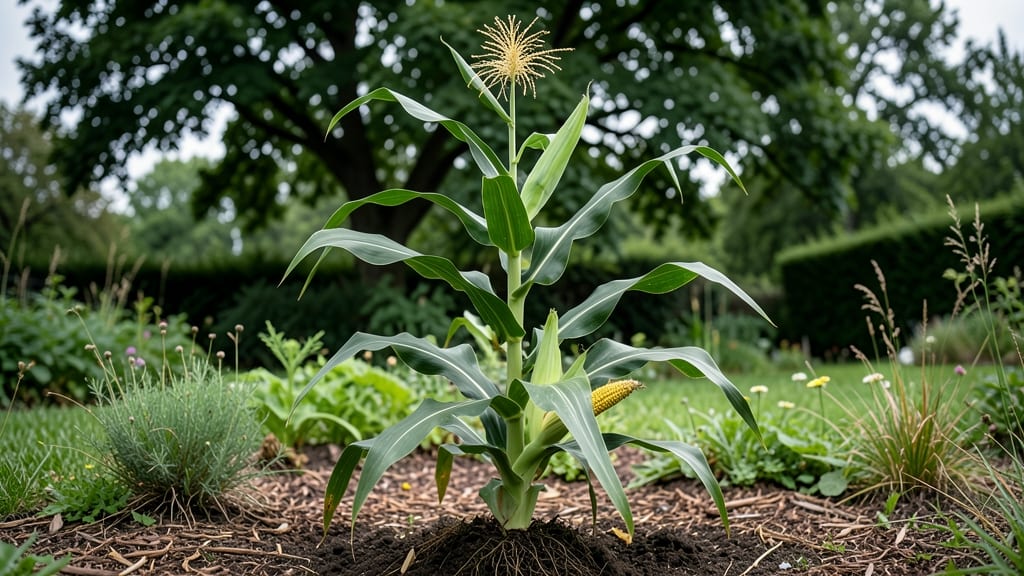
If you’ve ever stared at your corn patch wondering "how tall does a corn plant grow", you’re not alone—those towering stalks can feel like a surprise each year! 🌽 While some varieties barely brush your knees, others stretch taller than a basketball hoop, and the difference comes down to more than just luck.
Sweet corn, the kind you’ll find in summer markets, typically reaches 5 to 8 feet, making it a manageable giant for most gardens. But field corn and ornamental types can shoot up to 12 feet or more, turning your backyard into a vertical jungle.
The variety you choose is the biggest factor, but soil quality, sunlight, and even watering habits play a role in whether your corn will stay short or shoot for the sky.
Whether you’re planning a small-space garden or dreaming of a cornfield-worthy harvest, understanding these height ranges helps you pick the right seeds and set realistic expectations.
I’ll break down the tallest and shortest varieties, plus tips to encourage (or control) growth—so you can grow corn that fits your space and your goals.
Ready to stop guessing and start growing? Let’s dive into the heights, varieties, and secrets behind corn’s impressive vertical growth—so you can plan your garden like a pro.

Corn plant height by variety: from dwarf to giant stalks
Corn plants are famous for their impressive height, but did you know some varieties stay as short as 12 inches while others shoot up to 14 feet? The height of your corn depends entirely on the variety you choose.
Whether you're working with a tiny backyard plot or a sprawling farm, understanding these differences will help you plan your garden layout and space efficiently.
Most home gardeners grow sweet corn varieties, which typically reach 6 to 10 feet at maturity. These are the classic corn plants you see in gardens across America, perfect for fresh eating or canning. But if you're looking for something more dramatic—or more manageable—ornamental and dwarf varieties offer exciting alternatives.
Golden Bantam, one of the most popular dwarf corn varieties, maxes out at just 3 to 5 feet, making it ideal for containers or small gardens. On the other end of the spectrum, field corn varieties like Pioneer Brand 39T31 can tower over 12 feet, requiring ample space and sturdy support.
Here’s a quick breakdown of what to expect from different corn types, including their mature heights and best uses:
If you're growing corn in a small-space garden, dwarf varieties like Golden Bantam are your best bet. They produce edible ears despite their compact size, making them perfect for balconies or patio containers.
For larger gardens, standard sweet corn varieties offer the best balance of height and productivity, yielding plenty of ears without overwhelming your space.
Field corn, while impressive in height, is rarely grown by home gardeners due to its massive size and specific uses (like animal feed or ethanol production).
However, if you're experimenting with ornamental corn, varieties like Glass Gem add stunning color and texture to your garden while staying at a manageable 4 to 7 feet.
Remember, the height of your corn plant isn’t just about aesthetics—it also affects pollination and harvesting ease. Taller varieties may require sturdy supports or strategic spacing to prevent lodging (when plants fall over). Meanwhile, shorter varieties can be more compact and manageable, especially in urban or suburban settings.
Next time you’re browsing seed catalogs, pay close attention to the mature height listed for each variety. It’s one of the most important factors in determining whether your corn will thrive in your garden—or end up crowding out your other plants!
Factors that influence corn plant height and growth
Corn plants don’t grow to their full potential height by accident—it’s a mix of genetics, care, and environment. While variety selection sets the baseline (like Golden Bantam at 3 feet vs. field corn at 12+ feet), other factors can push your stalks up or keep them stunted.
Let’s break down what really makes the difference in your garden.
First, soil quality is the foundation. Corn thrives in well-draining, nutrient-rich soil with a pH of 6.0–7.0. Poor soil? Your plants might stay short and weak, no matter how much they want to grow tall.
I’ve seen sandy or clay-heavy soil stunt even the tallest varieties by 30%—so amend with compost or aged manure before planting.
Next, sunlight exposure is non-negotiable. Corn needs 6–8 hours of direct sun daily to reach its mature height. If your garden gets partial shade (like under trees or tall fences), expect stalks to stay 2–4 feet shorter than their full potential.
Even morning sun alone won’t cut it—afternoon rays are critical for photosynthesis.
| Factor | Impact on Height | Pro Tip |
|---|---|---|
| Soil Quality | ±30% of mature height | Test pH; add compost |
| Sunlight | 2–4 ft shorter in shade | South-facing spot only |
| Watering | Drought = stunted growth | 1–2 inches/week |
| Fertilizer | +20% with balanced NPK | Feed at tasseling stage |
| Climate | Cooler zones = slower growth | Choose early-maturing varieties |
Don’t overlook watering habits, either. Corn plants need 1–2 inches of water weekly, especially during tasseling and silking (when pollen forms). Skimp on water, and your stalks will focus on survival over height.
I once saw a 10-foot field corn variety shrivel to 5 feet because of inconsistent watering—don’t let that happen to your harvest!
Finally, climate and temperature play a role. Corn grows fastest in USDA Zones 6–10, where warm nights (above 60°F) and long days fuel rapid growth. In cooler zones (like Zone 5), plants may take longer to reach maturity, staying shorter unless you pick early-maturing varieties.
Even wind exposure matters—strong breezes can weaken stalks, causing them to lean or break before reaching full height.
By tweaking these factors, you can coax even dwarf varieties to grow taller—or keep giant stalks from toppling over. Start with soil prep and sunlight, then adjust watering and fertilizer as your plants grow. Your corn’s height (and your harvest) will thank you! 🌽