
How To
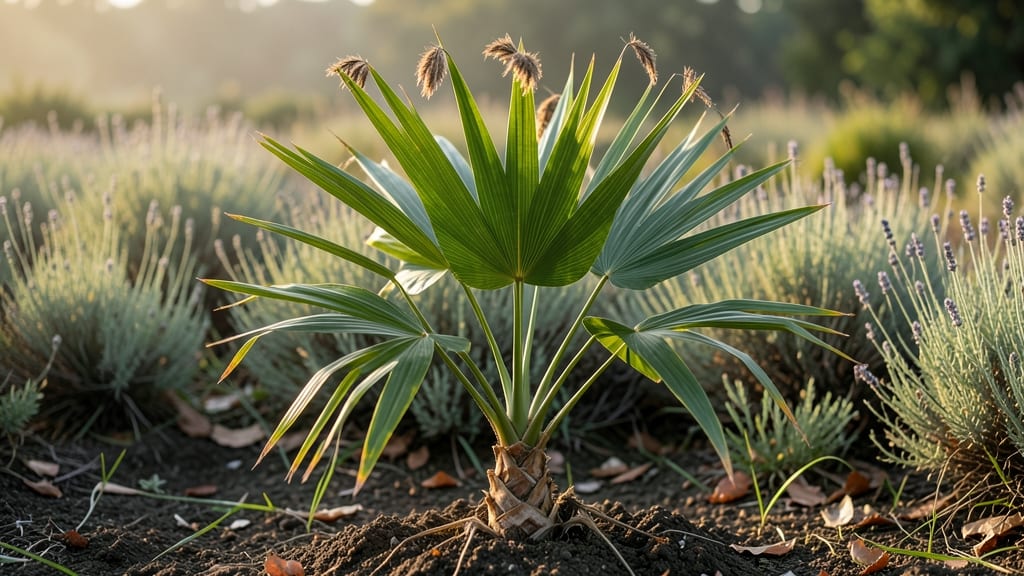
If you're wondering how tall does papyrus plant grow, you're about to discover why this ancient-looking beauty might just be the statement piece your space needs—but its height depends on where you plant it.
This striking 🌿 papyrus can shoot up like a skyscraper in the right conditions, reaching heights of 10-15 feet outdoors, while indoor versions stay more manageable.
Picture this: a towering, umbrella-shaped plant that thrives in USDA Zone 6 and beyond, perfect for adding drama to your garden or pond. Whether you're dreaming of a lush wetland escape or a chic indoor accent, understanding its growth habits is key to creating the perfect setup.
Outdoor papyrus plants love deep water and full sun, growing rapidly in spring and summer. But indoors? Container size and sunlight become your new best friends for controlling its height. I’ll show you exactly how to keep it in check while still enjoying its majestic presence.
Ready to transform your space? Let’s dive into the secrets of papyrus growth—so you can decide whether to go big outdoors or keep it compact inside. The choice is yours, and the results will be stunning either way.

Papyrus plant height limits: outdoor growth explained
The papyrus plant (Cyperus papyrus) is famous for its towering presence in its natural habitat, where it can reach heights of 10 to 15 feet under ideal conditions.
In the wild, these reeds thrive in shallow water or waterlogged soils along the banks of rivers and lakes, particularly in tropical climates like those found in Egypt, Sudan, and Central Africa.
Their dramatic height is one of the reasons they’ve been used for centuries—even as building material for ancient structures!
When grown outdoors in garden ponds, marshes, or tropical landscapes, your papyrus plant can achieve similar heights, though it may vary slightly based on your climate zone and soil conditions.
In USDA Zones 8-11, where winters are mild, papyrus can grow uninterrupted year-round, reaching its full height potential. However, in cooler climates (Zones 6-7), it’s best treated as an annual or overwintered indoors, as frost will kill it back to the ground.
Here’s what influences your papyrus plant’s height outdoors:
- Water depth – The deeper the water (up to 12 inches), the taller and fuller the plant grows.
- Sunlight exposure – 6+ hours of direct sunlight daily is non-negotiable for maximum growth. 3.
Soil fertility – Rich, organic soil or peat-based mixes fuel rapid growth. 4. Pruning habits – Regular pruning can control height while maintaining its iconic umbrella shape.
Did you know? In its native habitat, papyrus can grow up to 3 feet per year under perfect conditions. That means a 3-year-old plant could easily reach 9 feet tall if given the right care. For gardeners in temperate zones, starting with a 1-year-old plant (3-5 ft tall) is ideal to avoid overwintering challenges.
🌿 Papyrus Plant Outdoor Growth Factors
| Factor | Ideal Condition | Height Impact |
|---|---|---|
| Water Depth | 3–12 inches | Maximizes height (10–15 ft) |
| Sunlight | 6+ hours daily | Full growth potential |
| Soil Type | Peat/loam mix | Supports rapid growth |
| Climate Zone | Zones 8–11 | Year-round growth |
| Pruning | Regular trimming | Controls height (8–12 ft) |
💡 Pro Tip: In Zones 6–7, plant papyrus in large containers and move indoors before frost for multi-year growth.
If you’re planning to grow papyrus outdoors in a pond or wetland garden, aim for a minimum planting area of 4x4 feet per plant to accommodate its mature size. The deeper the water (up to 12 inches), the taller and more robust the plant will become.
In drier garden beds, papyrus can still reach 8–10 feet but may require frequent watering to maintain its health and height.
For gardeners in cooler climates, consider planting papyrus near a south-facing wall or patio to maximize sunlight exposure. Even in Zone 6, with proper winter protection (like mulching or container overwintering), you can coax your papyrus to reach 6–8 feet in its first growing season.
Just remember: consistent moisture is key—this plant hates drying out!
One common misconception is that papyrus plants need deep, muddy swamps to thrive. While they do love moisture, they can also grow beautifully in shallow water features or bog gardens with 3–6 inches of water.
This adaptability makes them a versatile choice for both formal and naturalistic landscapes. Just ensure the soil is well-draining yet consistently moist to avoid root rot.
To encourage taller growth, fertilize your papyrus plant every 4–6 weeks during the growing season (spring through summer) with a balanced 5-10-5 fertilizer. Avoid heavy nitrogen fertilizers, which can promote leafy growth at the expense of height.
Instead, focus on phosphorus and potassium to support strong stem development. Pair this with regular pruning to remove dead or overcrowded stems, which helps the plant direct energy upward.
If you’re aiming for a dramatic focal point in your garden, plant papyrus near a water feature, pathway, or seating area where its height can be fully appreciated. Pair it with shorter aquatic plants like water lilies or cattails to create a multi-layered visual effect.
Just be prepared for its rapid growth rate—once established, papyrus can double in size within a single season!
For those in
How tall can papyrus grow indoors? Container size and care tips
If you love the papyrus plant’s dramatic look but don’t have space for its outdoor 10-15 foot height, don’t worry—indoor papyrus can stay much smaller with the right care. The key is choosing the right container size and providing bright indirect light to control its growth.
Unlike its wild counterparts, indoor papyrus thrives in pots, making it perfect for apartments or sunrooms.
For a manageable height of 2-4 feet, opt for a pot that’s at least 12-18 inches wide and deep. Smaller containers will stunt growth, while larger ones encourage taller, more robust stems.
Since papyrus grows best in moist soil, add a layer of pebbles at the bottom for drainage while keeping the roots hydrated.
Here’s the secret to keeping it compact: prune regularly to maintain its iconic umbrella shape. Trim back overgrown stems in early spring to encourage bushier growth. Without pruning, indoor papyrus can still reach 5-6 feet, so stay on top of it if space is limited.
A south-facing window or grow lights will keep it happy without letting it get too leggy.
🌱
- 🪴 Pot Size: 12-18" diameter for 2-4 ft height
- ✂️ Prune: Trim stems in spring to maintain shape
- 💧 Water: Keep soil moist but not soggy
- ☀️ Light: 4-6 hours of bright indirect sunlight daily
- 🌡️ Temperature: 65-80°F for optimal growth
Papyrus plants also appreciate a monthly feeding with a balanced liquid fertilizer during spring and summer. Avoid over-fertilizing, as this can lead to weak stems. If you notice yellowing leaves, it’s a sign of too much water or poor drainage—adjust your care routine accordingly.
With the right balance of light, water, and pruning, your indoor papyrus will stay lush and manageable.
For those with limited ceiling height, consider dwarf varieties like Cyperus papyrus 'Nana', which max out around 3 feet. These are ideal for small spaces or as tabletop centerpieces.
Just remember: even indoors, papyrus loves humidity, so mist the leaves occasionally or place the pot on a pebble tray filled with water to mimic its natural wetland habitat.
Whether you’re growing it as a statement piece or a conversation starter, indoor papyrus is a low-maintenance way to bring a touch of the Nile to your home—without the skyscraper height. Just give it space, light, and a little TLC, and it’ll reward you with stunning foliage all year round.