
Watering
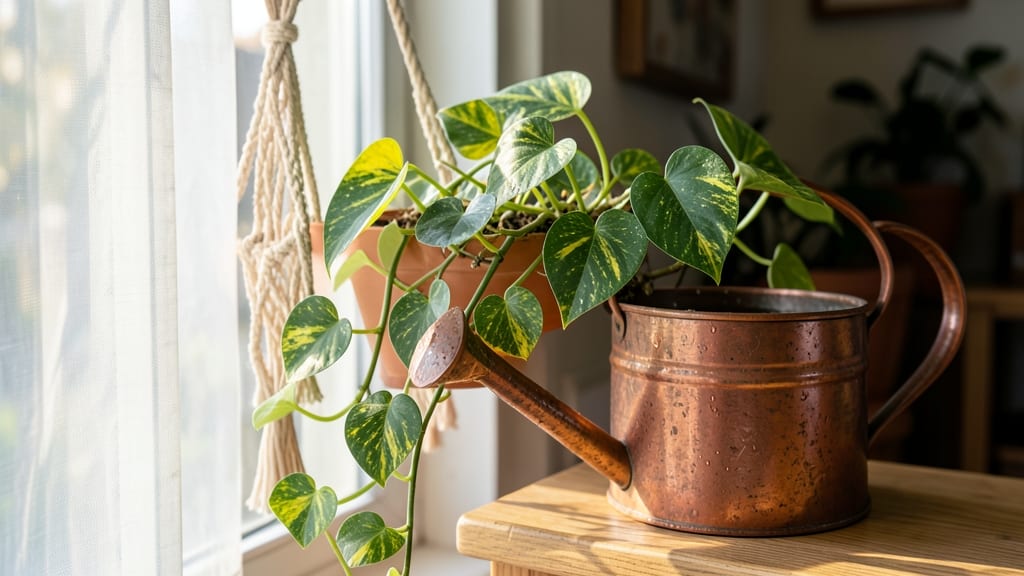
If your 💴 Money Plant has been struggling with crispy leaves or drooping stems, you're not alone—most people get the how much water schedule wrong.
The key to keeping this beloved houseplant thriving isn't just about how often you water, but how much and when, based on your home's unique conditions.
I've helped countless beginners rescue their Money Plants by mastering the exact weekly watering routine that prevents both overwatering and underwatering.
Whether you're dealing with dry air or humid climates, this guide will show you how to check soil moisture, adjust for seasonal changes, and spot the early signs before problems become permanent.
Let's cut through the guesswork with a simple, science-backed approach that works for indoor plants in USDA Zone 6a and beyond.
You'll learn the ideal frequency, the best times to water, and even some clever tools to make the process effortless—so your Money Plant can grow lush and lucky for years to come.
Ready to transform those sad, thirsty leaves into vibrant, healthy vines? By the end of this guide, you'll have a personalized watering plan that keeps your plant happy without any more brown edges or wilted stems. Let's get started!

How much water does a money plant need weekly?
Your money plant thrives on a consistent but cautious watering routine—too much or too little can stress this resilient vine. The key is understanding its natural drought tolerance while preventing root rot from soggy soil.
As someone who’s revived multiple money plants from watering mishaps, I’ve learned that seasonal adjustments and soil type make all the difference in keeping those lucky leaves vibrant.
For most indoor money plants, aim to water every 7-10 days during spring and fall, when growth is active but not extreme. In summer’s heat, you may need to water every 5-7 days—but never on a rigid schedule.
Instead, check the top 1-2 inches of soil with your finger: if it feels dry, it’s time to water. This "finger test" is my go-to method because it accounts for humidity levels in your home.
Here’s the golden rule I follow: water thoroughly until you see moisture drain from the pot’s bottom, then empty the saucer 10 minutes later. This prevents root suffocation while ensuring hydration reaches deep roots.
Your money plant’s well-draining soil mix (like cactus or succulent blend with perlite) should never stay wet for more than 24 hours.
Now, let’s talk about the biggest watering mistakes that kill money plants. Many beginners assume these tropical-looking vines love moisture, but their wild ancestors grow in humid rainforests with dry seasons.
Overwatering causes yellow leaves and mushy stems, while underwatering leads to crispy brown edges. Both issues are preventable with the right routine.
Your money plant’s pot size plays a crucial role in watering needs. A 6-inch pot will dry out faster than a 12-inch container, so adjust your schedule accordingly.
For example, my 10-gallon money plant in the living room only needs water every 2-3 weeks in winter, while my small 4-inch propagations dry out in just 5-7 days. Always match your watering to the plant’s current growth stage—new growth means more frequent watering!
Environmental factors like humidity and light levels also demand attention. If your home has low humidity (common in winter with indoor heating), your money plant will dry out faster. In these cases, increase watering slightly and consider placing a pebble tray with water nearby to boost humidity.
Conversely, if your plant sits in a bright, humid bathroom, you might extend the time between waterings by 2-3 days.
Pro tip: I’ve found that morning watering is ideal because it allows excess moisture to evaporate during the day, reducing fungal risks. Avoid watering at night, as damp leaves can attract pests like spider mites.
And here’s a trick I learned from my grandmother: water less frequently in winter even if your plant looks thirsty—its growth slows dramatically during dormancy, and overwatering is the #1 cause of winter plant deaths.
To put it simply: your money plant’s water needs are flexible but predictable. Stick to the seasonal guidelines in the table above, adjust for your home’s conditions, and always prioritize soil moisture checks over rigid schedules.
With this approach, you’ll enjoy a lush, fast-growing money plant that brings good fortune—and minimal stress—to your space.
🌱
How much water does a money plant need weekly?
Your money plant thrives on a consistent watering routine, but getting it right means avoiding both root rot and dehydration. Unlike thirsty succulents, these vines prefer their soil to stay slightly moist—not soggy.
The key? Watering when the top inch of soil feels dry to the touch. For most indoor setups, that’s roughly every 7-10 days, but factors like pot size, humidity, and season can shift that schedule.
Let’s break it down: A 6-inch pot needs about 1 cup of water per watering, while larger containers (10+ inches) may require 2 cups. Always use room-temperature water to avoid shocking the roots.
And here’s a pro tip—I water mine in the morning so excess moisture evaporates by evening, reducing fungal risks.
🌱 Money Plant Watering Guide
| Season | Frequency | Soil Check | Water Amount |
|---|---|---|---|
| Spring | Weekly | Top 1 inch dry | 1 cup (6-inch pot) |
| Summer | Every 5-7 days | Top 1-2 inches dry | 1.5 cups (6-inch pot) |
| Fall | Every 10-14 days | Top 2 inches dry | 1 cup (6-inch pot) |
| Winter | Monthly | Top 2-3 inches dry | 0.5 cup (6-inch pot) |
💧 Note: Adjust for humidity—drier air means more frequent watering.
Your money plant’s water needs also depend on its environment. If your home has low humidity (like 30% or below), increase watering slightly. Conversely, humid bathrooms or kitchens may require less frequent waterings.
Always check the soil before watering—stick your finger in! If it’s damp deeper than 1 inch, wait another day or two.
One common mistake? Ignoring the pot’s drainage holes. Without them, water pools at the bottom, causing root rot. If your plant comes in a decorative pot without holes, opt for a cache pot (a plastic inner pot with drainage) to save your money plant from soggy soil.
Seasonal shifts matter too. In summer’s heat, your money plant drinks more, so monitor soil moisture daily. Conversely, winter dormancy slows growth—reduce watering to once a month unless the soil feels bone-dry. Pro tip: Group your money plants together to create a microclimate with stable humidity, making care easier.
Finally, observe your plant’s leaves for clues. Yellowing or drooping? It’s likely overwatered. Crispy edges? Time to water. By tuning into these signals and sticking to the seasonal guide, your money plant will reward you with lush, vibrant growth for years to come. 🌿