
Plants
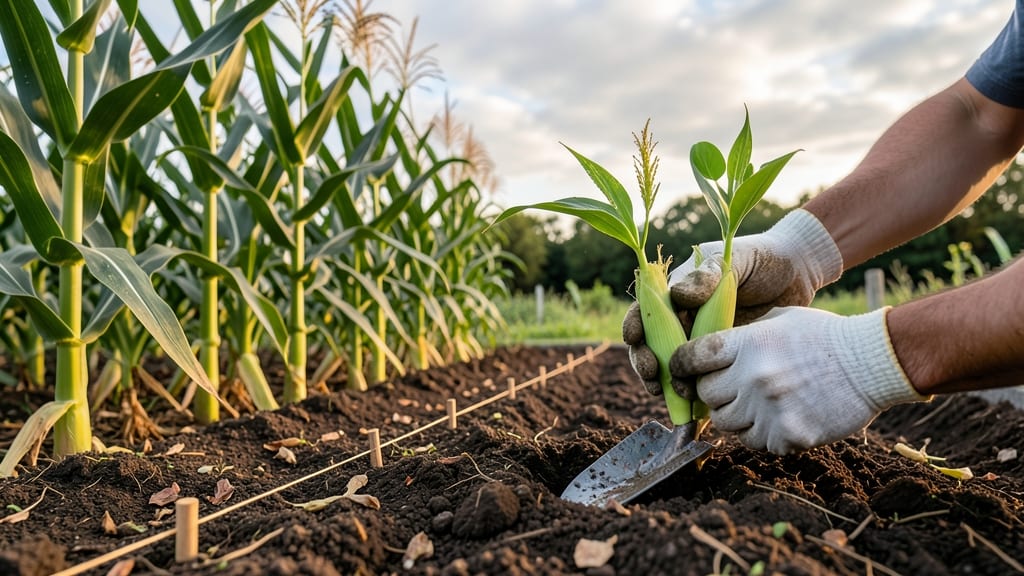
Planting corn in Alabama at the wrong time can turn your 🌽 dreams into a sad, stunted crop—unless you know the perfect window for your zone.
The difference between a bumper harvest and a bust is often just a matter of timing, especially when balancing Alabama’s 7a-8b climate with last frost dates that shift from mid-March to early April.
You might think "mid-April" is the magic number, but that’s just the starting point. Soil temperature, elevation, and even your neighborhood’s microclimate play a bigger role than most gardeners realize.
Get it right, and you’ll enjoy sweet, juicy ears from late July to October—get it wrong, and you’re left with underwhelming yields or worse, pest-infested plants.
Here’s the game-changer: plant after soil hits 60°F and the last frost has passed—but not so late that summer heat stresses your corn before it matures.
I’ll break down the exact dates for your zone, plus how to adjust for Alabama’s diverse regions, from the Black Belt’s warmer soils to the cooler Appalachian Plateau.
Ready to go from guesswork to golden ears? Let’s dive into the ideal planting schedule, soil prep secrets, and how to spot (and fix) common timing mistakes before they ruin your harvest.
Alabama corn planting dates by USDA hardiness Zone (with frost risk analysis)
Alabama spans USDA Zones 7a-8b, meaning corn planting dates vary drastically from the cooler Appalachian Plateau to the warmer Gulf Coast. In Zone 7a (e.g., Huntsville), last frosts often linger until mid-April, while Zone 8b (e.g., Mobile) sees frost-free soil by early March.
Planting too early risks frost damage, while waiting too long shortens the growing season, reducing yields.
Corn thrives when soil temperatures hit 60°F (15°C)—a threshold Alabama typically reaches by late March in the south and mid-April in the north.
For sweet corn, aim to plant 2-3 weeks after your last frost date to ensure 60-70 days of warm weather before harvest. Dent corn varieties can handle slightly later plantings but may face earworm pressure if sown after June 1.
Here’s how Alabama’s zones break down for optimal corn planting windows, including frost risk and soil temperature benchmarks:
| USDA Zone | Last Frost Date | Ideal Planting Window | Soil Temp Threshold | Frost Risk After Planting |
|---|---|---|---|---|
| 7a (e.g., Huntsville, Anniston) | Mid-April | Late April – Early May | 60°F (15°C) | Low (5% chance after May 1) |
| 7b (e.g., Birmingham, Tuscaloosa) | Early April | Early April – Late April | 60°F (15°C) | Moderate (10% chance after April 15) |
| 8a (e.g., Montgomery, Auburn) | Late March | Mid-March – Early April | 58°F (14°C) | Low (2% chance after April 1) |
| 8b (e.g., Mobile, Dothan) | Early March | Late February – Mid-March | 55°F (13°C) | Very Low (1% chance after March 15) |
For Zone 7a gardeners, planting in late April ensures corn matures before first frost in November. In Zone 8b, you can even squeeze in a fall planting (late July) for late-season varieties like 'Silver Queen,' though yields may be smaller.
Always check your local Alabama Cooperative Extension Service for hyper-local frost data—their frost risk maps update annually.
Pro tip: Use black plastic mulch to warm soil faster in cooler zones like Zone 7a. Lay it down 2 weeks before planting to accelerate soil temperature rise. In warmer zones (8a-8b), prioritize shade cloth during June-August to prevent heat stress and ear rot.
If you’re in transition zones (7b-8a), consider staggered plantings: Sow half your seeds in early April and the rest 2 weeks later. This extends harvest time and reduces pest pressure from simultaneous maturity.
For example, Bush Baker (70-day variety) planted in early April will harvest in mid-June, while a late-May planting of the same variety yields in late July.
One common mistake? Planting based on air temperature instead of soil temperature. Corn seeds won’t germinate until soil hits 60°F (15°C), even if the air feels warm. Use a soil thermometer—if it reads below 55°F (13°C), wait 1-2 weeks or use row covers to protect seedlings.
For southern Alabama (Zones 8a-8b), early plantings risk corn earworm infestations, while late plantings may not mature before humidity spikes in September. Balance this by choosing intermediate-maturity varieties like 'Peaches and Cream' (75 days) or 'Golden Bantam' (60 days).
These thrive in Alabama’s long, hot summers without succumbing to disease pressure.
🌽
How to adjust corn planting for Alabama’s microclimates (Black Belt vs. mountains)
Alabama’s geography creates dramatic differences in corn-growing conditions. The Black Belt region (like Montgomery) enjoys warmer soils by late March, while the Appalachian Plateau (like Huntsville) often waits until mid-May for safe planting.
Even a 100-mile drive can shift your ideal window by 3-4 weeks—so don’t rely on a one-size-fits-all date.
Soil temperature is your #1 guide, not just frost dates. Corn needs 60°F+ soil to germinate reliably. In cooler mountain zones (7A), wait until mid-May when soils finally warm, while warmer southern zones (8B) can plant by early April.
A soil thermometer ($15 at garden centers) is worth its weight in gold here.
Microclimate
Key Features
Planting Window
Soil Prep Tip
Black Belt (e.g., Montgomery)
Warmer soils, longer growing season, higher humidity
Late March–April (after last frost)
Add compost to improve drainage
Central Alabama (e.g., Birmingham)
Moderate climate, typical frost patterns
Mid-April–early May
Test soil pH (6.0–6.8 is ideal)
Appalachian Plateau (e.g., Huntsville)
Cooler soils, shorter season, higher elevation
Mid-May–early June
Use black plastic mulch to warm soil
Coastal (e.g., Mobile)
Humid, warm soils, early frost risk
Early April–late April
Choose disease-resistant varieties
Elevation changes everything. For every 1,000 feet gain, expect 1-2 weeks later planting. Huntsville’s 2,000-foot elevation means corn planted in April may bolt (go to seed prematurely) due to cooler nights. Solution? Plant short-season varieties like ‘Silver Queen’ (70-day maturity) instead of ‘Golden Bantam’ (90 days).
Humidity also plays a role. Coastal areas like Mobile face fungal risks (like corn smut) if planted too early. Wait until soils are dry—even if frost isn’t a threat—to reduce disease pressure. In drier inland zones (e.g., Auburn), you can push planting 1-2 weeks earlier without fungal worries.
Pro Tip: If you’re unsure about your local microclimate, check the Alabama A&M Extension’s frost maps ([extension.alabama.edu](https://www.extension.alabama.edu)) or ask your county agricultural agent. They’ll give you hyper-local advice based on recent years’ data—far more accurate than generic guides.
🌽