
Companion Plants
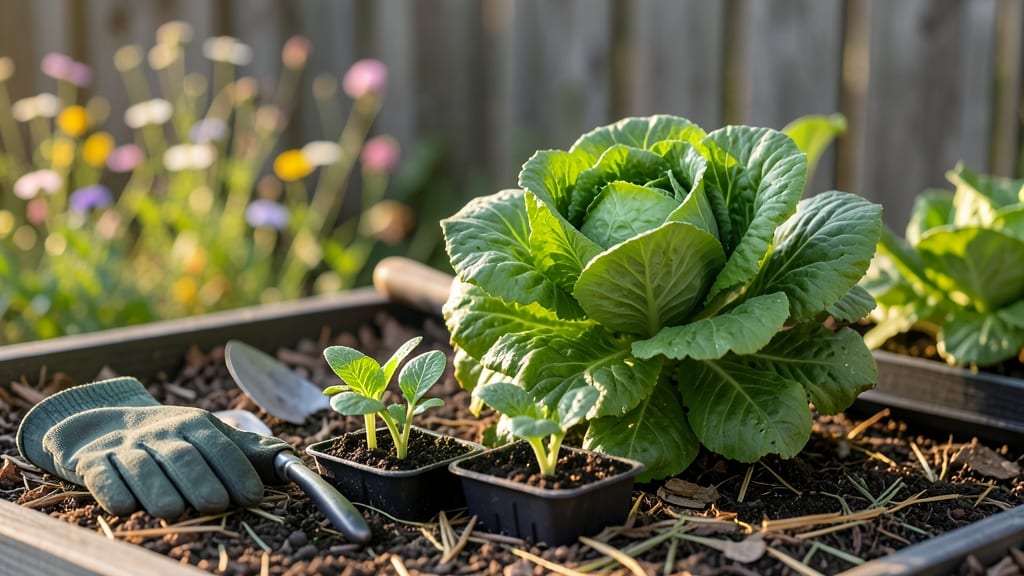
If you’ve ever tried to plant lettuce in Zone 6 only to watch it bolt into bitter flowers before harvest, you know timing is everything. The key to success lies in understanding your local frost dates and working with them—not against them.
In Zone 6, where last frosts typically arrive around mid-April and first frosts creep in by mid-October, the window for planting lettuce is narrower than you might think. But with the right strategy, you can enjoy fresh, homegrown greens from spring through fall.
The key to success lies in understanding your local frost dates and working with them—not against them. In Zone 6, where last frosts typically arrive around mid-April and first frosts creep in by mid-October, the window for planting lettuce is narrower than you might think.
But with the right strategy, you can enjoy fresh, homegrown greens from spring through fall.
What if I told you that planting lettuce just 4-6 weeks before your last frost could set you up for a continuous harvest? Whether you're a first-time gardener or a seasoned pro, mastering this timing ensures you'll avoid the two biggest lettuce killers: frost damage and heat-induced bolting.
Let's break down exactly when to plant for the most flavorful, crisp harvests all season long.
From choosing the right varieties that thrive in Zone 6's climate to extending your harvest with simple techniques, you'll discover how to turn your garden into a lettuce powerhouse. Ready to grow lettuce that actually tastes fresh and crisp? Let's get started.

Zone 6 lettuce planting timeline: frost dates and seasonal windows
Timing your lettuce planting in Zone 6 is all about avoiding two major pitfalls: late frosts that stunt seedlings and summer heat that causes bolting. The key is planting when soil temperatures are cool but frost risk has passed—or using shade cloth to protect plants during heatwaves.
Most Zone 6 gardeners enjoy two primary planting windows: early spring and late summer, each with its own set of challenges.
For spring plantings, aim to sow seeds 4–6 weeks before your last frost date. In Zone 6, this typically falls between mid-March and early April, depending on your specific microclimate.
If you’re unsure of your exact last frost date, check the USDA Plant Hardiness Zone Map or use local weather averages—most Zone 6 areas see their last frost around April 15. Starting seeds indoors in late February gives you a head start for early outdoor transplanting.
Fall lettuce thrives when daytime temperatures drop below 75°F, making late August to early September the ideal window. This timing ensures your lettuce matures before the first frost, usually around mid-October in Zone 6.
If you’re eager for a summer harvest, opt for heat-tolerant varieties like 'Jericho' or 'Black Seeded Simpson' and provide afternoon shade during peak heat.
Here’s a quick reference for your planting schedule in Zone 6:
| Season | Planting Window | Key Considerations | Harvest Time |
|---|---|---|---|
| Spring | Mid-March to early April | Soil temp: 40–50°F; avoid frost | May–June |
| Fall | Late August to early September | Daytime temps: Below 75°F; protect from early frost | October–November |
| Summer (Heat-Tolerant) | June (with shade cloth) | Use varieties like 'Jericho'; provide afternoon shade | July–August |
If you’re planting in early spring, harden off seedlings gradually by exposing them to outdoor conditions for 1–2 hours daily starting two weeks before transplanting. This helps them adjust to temperature fluctuations and reduces transplant shock.
For fall plantings, consider using row covers or cold frames to extend your harvest window into early winter—some varieties like 'Winter Density' can tolerate light frosts.
Pro tip: Succession planting every 2–3 weeks ensures a continuous harvest. For example, if you plant your first batch in early April, follow up with another in mid-April and late April.
This staggered approach guarantees fresh lettuce even if the first batch bolts prematurely due to heat. In fall, repeat this strategy starting in late August for a steady supply through October.
One common mistake in Zone 6 is planting lettuce too early in spring or too late in fall, only to watch it bolt or freeze. To avoid this, monitor your local 10-day forecast and adjust planting dates if late frosts are predicted.
For instance, if your area experiences a late frost in early May, delay your final spring planting until after May 10 to protect tender seedlings.
For gardeners in Zone 6a (colder microclimates), err on the side of caution and plant lettuce 2–3 weeks later than the general timeline. Conversely, those in Zone 6b (warmer microclimates) can push the envelope slightly earlier, especially for heat-tolerant varieties.
Always test your soil temperature with a soil thermometer—ideal planting conditions occur when soil temps are between 40–50°F for spring and 60–70°F for fall.
Finally, don’t overlook the power of shade cloth during summer months. A 30–50% shade cloth can lower soil temperatures by 10–15°F, making it possible to grow lettuce even in July. Pair this with daily watering to keep roots cool, and you’ll extend your harvest season significantly.
With the right timing and a few protective measures, you can enjoy crisp, homegrown lettuce from late spring through early fall in Zone 6.
Zone 6 lettuce planting timeline: frost dates and seasonal windows
Timing your lettuce planting in Zone 6 hinges on understanding your last frost date, which typically falls around April 15 for most areas. Planting too early risks frost damage, while waiting too long can lead to bolting—when lettuce goes to seed prematurely.
The key is to start seeds 4-6 weeks before your last frost for spring harvests, or sow directly in late summer for fall crops.
For spring lettuce, begin seeds indoors in late February to early March or sow directly outdoors in March once soil temperatures warm to 40°F. This gives seedlings enough time to mature before summer heat sets in.
In Zone 6, your growing season spans roughly 165 frost-free days, making both spring and fall plantings viable with the right variety selection.
📅 Use this quick reference: Spring planting = March–April; Fall planting = August–September. Heat-tolerant varieties like 'Jericho' or 'Black Seeded Simpson' can even handle late summer sowings in cooler microclimates.
| Planting Window | Action | Notes |
|---|---|---|
| Late February–Early March | Start seeds indoors | Use grow lights if natural light is limited |
| March (outdoors) | Direct sow seeds | Cover with row fabric for frost protection |
| April–May | Succession plant every 2 weeks | Harvest begins in late May |
| Late August–Early September | Direct sow for fall harvest | Choose heat-tolerant varieties |
| October (if mild) | Light succession sowing | Protect with row covers |
If you're unsure about your exact last frost date, check your local USDA Plant Hardiness Zone Map or ask your Cooperative Extension Service. Even a 1-2 week delay can mean the difference between a thriving crop and bolted lettuce.
For example, planting in late April might work in Zone 6a but risk failure in Zone 6b with later frosts.
For fall lettuce, aim to plant 8-10 weeks before your first frost (around October 15 in Zone 6). This timing ensures harvests before winter sets in. Use row covers or cold frames to extend your fall season by 2-4 weeks, pushing harvests into November.
Pro tip: Mark your calendar for May 15 and September 15 as your cutoff dates for new lettuce plantings. After these dates, focus on succession planting for continuous harvests rather than starting fresh batches. This strategy maximizes your 165 frost-free days and minimizes wasted space in your garden.