
Companion Plants
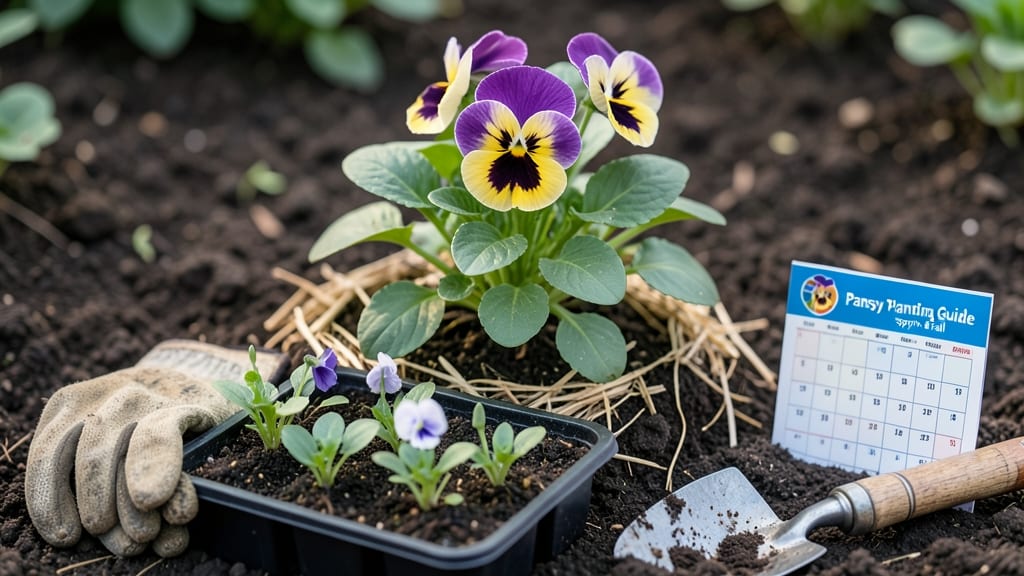
If you're wondering "when can I plant pansies in the Northeast", timing is the secret to vibrant blooms that last from spring until frost. These cool-loving flowers 🌸 love the region's mild climate but need careful scheduling to avoid early freezes or late-season wilting.
For gardeners in zones 5-7, the sweet spot is early spring (March-April) or late summer (August-September). Planting too early risks frost damage, while waiting too late cuts your bloom window short—both mistakes can leave you staring at bare soil instead of cheerful flowers.
I'll walk you through the exact frost-date guidelines for your specific zone, plus pro tips for preparing soil and spacing plants to maximize their 60-90 day bloom cycle. Whether you're tucking them into garden beds or containers, these strategies ensure your pansies thrive from first frost to last.
Ready to transform your garden into a year-round color show? Let's dive into the planting schedule that works for your Northeast microclimate—no guesswork required.
Northeast planting zones for pansies: exact dates by hardiness Zone
Timing your pansy planting in the Northeast depends on USDA hardiness zones and your last/first frost dates. Pansies are frost-tolerant but thrive best when planted at the right time for vibrant blooms.
In Zones 3–7, the Northeast’s most common zones, you’ll have two prime planting windows: early spring and late summer/fall.
For spring blooms, aim to plant 4–6 weeks before your average last frost date. This gives roots time to establish before warm weather arrives.
In Zone 3 (e.g., Burlington, VT), that’s typically mid-April, while Zone 7 (e.g., Washington, D.C.) can start as early as late March. Fall planting, for winter interest, should happen 6–8 weeks before your first frost, usually late August to early September.
Here’s how to adapt your pansy planting schedule based on your USDA zone and microclimate. Urban areas often experience earlier frosts than rural zones, so adjust accordingly. For example, Boston (Zone 6b) may need to plant 1–2 weeks later than Portland, ME (Zone 5a) due to coastal influences.
| USDA Zone | Spring Planting Window | Fall Planting Window | Last Frost Date | First Frost Date |
|---|---|---|---|---|
| Zone 3 (e.g., Burlington, VT) | Mid-April to early May | Late August to early September | May 10–15 | October 5–10 |
| Zone 4 (e.g., Syracuse, NY) | Late March to April 15 | Early to mid-September | April 20–25 | October 10–15 |
| Zone 5 (e.g., Philadelphia, PA) | Early to mid-April | Mid-September to early October | April 10–15 | October 20–25 |
| Zone 6 (e.g., Baltimore, MD) | Late March to early April | Late September to early October | April 1–5 | October 25–30 |
| Zone 7 (e.g., Washington, D.C.) | Late February to March | Early to mid-October | March 15–20 | November 1–5 |
Adjust dates 1–2 weeks earlier for urban heat islands or later for high-altitude areas.
If you’re in a Zone 3 or 4, focus on fall planting for longer bloom cycles. Pansies planted in September often survive winter and reward you with early spring flowers.
In Zones 6–7, you can experiment with both spring and fall plantings, but prioritize spring for summer-long color.
For container gardening in colder microclimates (e.g., Zone 3 urban areas), plant 4–6 weeks earlier than ground planting. Containers warm up faster and can be moved to protected spots during late frosts. Use well-draining soil and add a light mulch to insulate roots.
Pro tip: Check your local cooperative extension service for hyper-local frost dates. For example, Albany, NY (Zone 5), might have 2 weeks earlier last frost dates than Buff
How to extend pansy blooms: fall vs. spring planting strategies
Choosing between fall and spring planting for pansies can double your bloom time in the Northeast. Fall-planted pansies often flower earlier in spring, while spring plantings extend color into early summer—both strategies work if you time them right with your USDA zone and first/last frost dates.
For spring planting, aim for 4-6 weeks before your last frost date (typically March-April in zones 5-7). This gives roots time to establish before warm weather arrives. In colder zones (3-4), wait until late April to avoid frost damage to tender new growth.
Fall planting offers a different advantage: pansies planted 6-8 weeks before your first frost (usually August-September) often survive winter and burst into bloom in early spring.
This works best in zones 5-7 where winters aren't extreme. In zone 4, opt for late August planting to give roots time to root before hard freezes.
Spring Planting
✅ Pros
- Longer bloom season (spring-summer)
- Easier soil prep in warmer months
- Better for container gardening
❌ Cons
- Risk of bolting in hot summers
- Requires consistent watering
- Shorter bloom window in hot zones
Fall Planting
✅ Pros
- Early spring blooms next year
- Less competition from weeds
- Survives winter in zones 5-7
❌ Cons
- Requires winter mulching
- Limited bloom time in first year
- More vulnerable to early frost
For both strategies, soil prep is critical. Amend your garden beds with 2-3 inches of compost and ensure good drainage—pansies hate soggy roots. In containers, use a well-draining potting mix with added perlite for airflow. Space plants 8-12 inches apart to prevent disease and improve airflow.
After planting, mulch heavily (2-3 inches) to protect roots. In fall, use straw mulch to insulate plants through winter. For spring plantings, apply a light layer of mulch to retain moisture and suppress weeds. Water deeply 2-3 times per week until established, then reduce to once weekly once blooming begins.
Pro tip: In zones 3-4, consider container gardening for fall plantings. Move pots to a sheltered location or garage during extreme cold snaps (below 10°F) to protect your pansies. With the right timing and care, you can enjoy year-round color from these resilient little flowers!