
Flowers
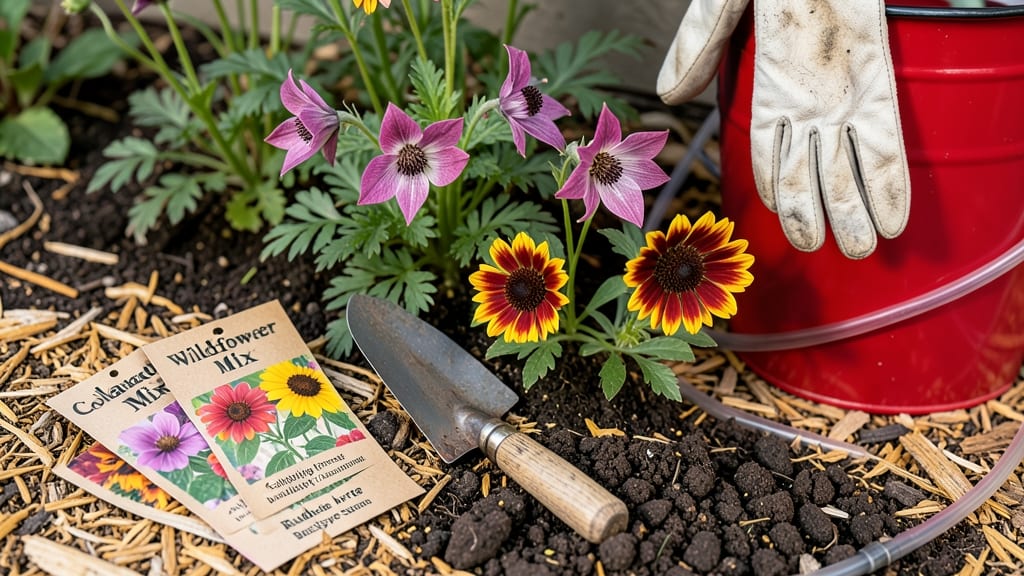
Timing your flowers in Colorado planting just right can mean the difference between a vibrant garden and a frost-killed disappointment. With Colorado’s unpredictable frost dates—especially in USDA zones 5-7—knowing when to plant is the key to success.
Whether you’re a high-altitude gardener in Denver or a lowland grower in Colorado Springs, getting the timing right ensures your 🌸 blooms thrive all season long.
Most Colorado gardeners wait until late April to mid-June to plant flowers after the last frost, but fall planting in August to September can also yield stunning results.
The secret lies in understanding your local microclimate—lower elevations like Colorado Springs warm up faster, while mountain regions may need to wait weeks longer.
In this guide, I’ll break down the exact planting windows for your favorite annuals, perennials, and bulbs, plus pro tips to protect your plants from surprise frosts.
You’ll learn how to extend your growing season, choose the right varieties for your zone, and avoid common mistakes that waste time and money.
Ready to transform your garden into a year-round paradise? Let’s dive into the best months to plant flowers in Colorado—without the frost surprises.
Colorado’s frost dates by region: when to plant flowers safely
Colorado’s diverse elevations create a patchwork of planting zones, where a Denver garden might thaw weeks before Grand Junction or Fort Collins. Understanding your USDA zone (5-7) and local frost dates is the first step to avoiding frozen seedlings.
Most Colorado regions experience their last spring frost between mid-April and early June, while first fall frosts arrive mid-September to mid-October.
For annual flowers like petunias or marigolds, waiting until after the last frost is critical—planting too early risks frost damage that stunts growth. Perennials, however, often handle Colorado’s early springs better, especially cold-hardy varieties like coneflowers or black-eyed Susans.
Always check your local CoCoRaHS weather station or Colorado State University Extension for real-time updates.
Here’s how Colorado’s regions break down for safe flower planting:
| Region | Last Frost (Avg.) | First Frost (Avg.) | Best Planting Window | Cold-Hardy Flowers |
|---|---|---|---|---|
| Front Range (Denver, Boulder) | Late April - Early May | Mid-September - Early October | Late May - Mid-June (spring) / August (fall) | Pansies, Snapdragons, Delphiniums |
| Western Slope (Grand Junction, Colorado Springs) | Mid-April - Late April | Late September - Early October | Early May - Early June (spring) / July (fall) | Lavender, Yarrow, Blanket Flower |
| Eastern Plains (Fort Collins, Greeley) | Early May - Mid-May | Mid-September - Late September | Mid-May - Late May (spring) / Late August (fall) | Coneflowers, Black-Eyed Susans, Russian Sage |
| High Altitude (Aspen, Leadville) | Late May - Early June | Early September - Mid-September | Late June - Early July (spring) / July (fall) | Columbines, Penstemons, Alpine Lilies |
If you’re planting bulbs like tulips or daffodils, the rule changes: fall planting (September-October) gives them time to establish roots before winter. For heat-loving annuals like zinnias or cosmos, wait until soil temps reach 60°F+—usually late May to early June in most Colorado zones.
Pro tip: Use biodegradable row covers or cold frames to push your planting window 2-4 weeks earlier in spring or extend fall blooms by a month. Just remove covers when daytime temps hit 70°F+ to prevent overheating.
For container gardening, you can plant 2-3 weeks earlier than in-ground flowers since pots warm up faster. Just ensure containers have drainage holes to prevent root rot from Colorado’s sudden spring thaw cycles.
Always test your soil’s temperature and moisture before planting. A simple soil thermometer ($10 at garden centers) tells you when the ground is ready—aim for 50°F+ for most flowers. If your soil is still cold or soggy, wait another week.
Colorado’s microclimates mean your neighbor’s perfectly timed petunias might freeze overnight. Use these regional guidelines as a starting point, then adjust based on your yard’s sun exposure and wind patterns. A south-facing bed warms up faster than a north-facing one, for example.
🌱
Best flowers to plant by month in Colorado (with frost-proof tips)
Colorado’s flower planting calendar shifts dramatically by month, with late spring and early fall offering the safest windows. In April and May, focus on cold-hardy annuals like pansies and snapdragons, which can handle light frosts.
By June and July, heat-lovers such as zinnias and cosmos thrive in Colorado’s warmer temperatures.
For fall planting, August and September are ideal for perennials like coneflowers and black-eyed Susans, which establish roots before winter. Bulbs like tulips and daffodils should be planted in September or October to bloom next spring. Each month brings unique opportunities—and risks—so let’s break it down.
🌱 Month-by-Month Flower Planting Guide for Colorado
Cold-Hardy Annuals
- Pansies
- Violas
- Sweet Alyssum
Early Bloomers
- Petunias
- Marigolds
- Snapdragons
Heat-Loving Annuals
- Zinnias
- Cosmos
- Sunflowers
Fall Perennials
- Coneflowers
- Black-Eyed Susans
- Russian Sage
Bulb Planting
- Tulips
- Daffodils
- Alliums
My top tip for frost-proof planting? Always check the 10-day forecast before committing to outdoor plantings in April or October. A sudden cold snap can devastate tender seedlings. For extra protection, use row covers or cold frames to create microclimates that shield plants from unexpected freezes.
In June and July, prioritize drought-tolerant varieties like lavender and yarrow to conserve water during Colorado’s dry spells. These plants thrive with minimal irrigation once established, making them perfect for low-maintenance gardens. Pair them with deep-watering techniques to encourage strong root growth.
For fall plantings, focus on perennials that establish roots before winter. Plants like sedum and heuchera handle Colorado’s early frosts beautifully, often blooming again in spring. Mulch heavily around these plants to insulate roots and retain moisture during our crisp autumns.
Remember: Colorado’s elevation matters. Gardens in Denver (5,280 ft) may have 2-3 weeks later frost dates than those in Colorado Springs (6,035 ft). Always adjust your planting timeline based on your local USDA zone and microclimate.