
Flowers
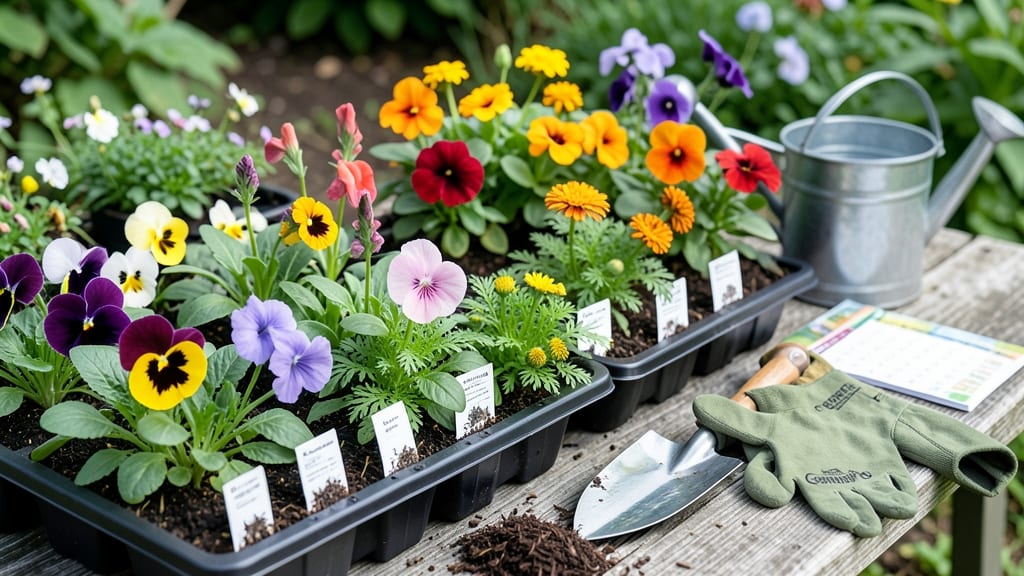
Timing your spring flower planting can mean the difference between a garden bursting with 🌸 vibrant blooms and one that never quite takes off. If you're in Zone 6a, getting it right after the last frost date—typically late April to May—is the key to success.
I’ve learned the hard way that rushing too early or waiting too long can leave your flowers struggling. The right timing ensures they establish strong roots before summer heat arrives, giving you that lush, colorful garden you dream of.
In this guide, I’ll break down exactly when to plant different types of flowers, how to adjust for your specific climate, and what mistakes to avoid. Whether you’re a beginner or a seasoned gardener, these tips will help you maximize your blooms all season long.
Ready to transform your outdoor space? Let’s dive into the perfect planting schedule for your zone and flower types.
Spring flower planting deadlines by US hardiness zones
Spring is the perfect time to plant flowers, but timing varies dramatically by USDA hardiness zone. Planting too early risks frost damage, while waiting too long can delay your summer blooms.
The key is knowing your last frost date—the average date when temperatures stay above 32°F (0°C) for at least 5 consecutive days. Let’s break it down by zone so you can plant with confidence.
For most gardeners, spring planting windows open 4-6 weeks before the last frost. However, tender annuals like marigolds and petunias should wait until 2 weeks after the frost date.
Perennials and hardy bulbs (like tulips or daffodils) can often be planted earlier, even in Zone 3 where winters are harsh.
Here’s a quick guide to help you plan. Remember: Soil temperature matters just as much as air temperature—most flowers thrive when soil warms to 60°F (15°C) or higher. Use a soil thermometer to check before planting.
🌱
If you’re in Zone 9 or 10, you can plant year-round in mild microclimates, but focus on cool-season flowers like stock or sweet peas in early spring to avoid summer heat stress. Meanwhile, gardeners in Zones 3-5 should prioritize hardy perennials like coneflowers or black-eyed Susans for long-term color.
Pro tip: Use frost cloth or row covers to plant 2-3 weeks earlier in cooler zones. This simple trick extends your growing season and gives you an edge on early blooms. Just remove the cover once temperatures stay consistently above 50°F (10°C) during the day.
For bulbs like tulips or daffodils, plant them in fall (6-8 weeks before the ground freezes) for spring blooms. But if you missed that window, hyacinths or crocuses can often be planted in early spring—just choose varieties labeled as "spring-planting".
Regional variations matter too. In the Pacific Northwest, for example, cooler, wet springs mean you might plant later than in the Deep South, where hot, dry winds can stress young plants. Always check your local cooperative extension service for hyper-local advice.
Finally, don’t forget to prepare your soil 2-3 weeks before planting. Amend it with compost or well-rotted manure to improve drainage and fertility. Most flowers thrive in loamy soil with a pH between 6.0 and 7.0. Test your soil in early spring to address any deficiencies before planting.
With these zone-specific deadlines, you’ll be well on your way to a showstopping spring garden that blooms all summer long. Happy planting! 🌺
How to adjust planting dates for early vs. late spring
Spring’s unpredictable weather can make planting feel like a guessing game. But with a few smart adjustments, you can extend your growing season and protect delicate seedlings from late frosts. The key is understanding how to modify planting dates based on your local climate and microclimates.
Whether you’re in a cool coastal region or a warm inland valley, these tweaks will help you plant flowers at the perfect time.
One of the easiest ways to plant earlier in spring is by using row covers or cold frames. These simple tools create a warmer microclimate around your seedlings, allowing you to plant 2-4 weeks before the traditional last frost date.
For example, in Zone 5, where frosts linger until mid-May, you might start pansies or snapdragons in early April under a floating row cover.
🌱 Did You Know? A cold frame can raise soil temperatures by 10-15°F, giving tender flowers like petunias and impatiens a head start. Just be sure to ventilate on warm days to prevent overheating.
5 Ways to Adjust Your Planting Timeline
- Use row covers: Protect seedlings from light frosts (28-32°F) and plant 2-3 weeks early.
- Start seeds indoors: Begin 6-8 weeks before the last frost for heat-loving flowers like zinnias.
- Warm the soil: Lay down black plastic mulch 2 weeks before planting to raise soil temps by 5-10°F.
- Choose cold-hardy varieties: Opt for pansies, violas, or calendulas to plant as early as March.
- Monitor microclimates: South-facing slopes warm faster; plant 1-2 weeks earlier there.
On the flip side, if you’re in a warmer zone (8-10) or experience unusually cool springs, you may need to delay planting.
For instance, in Zone 9, where winters are mild, heat-sensitive flowers like cosmos or sunflowers can wait until mid-April or even May to avoid bolting (premature flowering). Always check your local frost-free date and adjust accordingly.
Another pro tip: Hardening off seedlings properly ensures they’re frost-resistant when transplanted. Acclimate them to outdoor conditions over 7-10 days before planting, especially if you’re extending your early-season window. This reduces shock and improves survival rates.
Finally, don’t forget to watch the weather forecast in the days leading up to planting. A 5-day stretch of warm temps above 50°F is your green light to plant heat-loving annuals like marigolds or zinnias. But if frost is forecasted within 48 hours, hold off until conditions stabilize.
With these adjustments, you’ll avoid common spring planting mistakes and maximize your garden’s blooming potential—no matter what Mother Nature throws your way. 🌷