
Planting
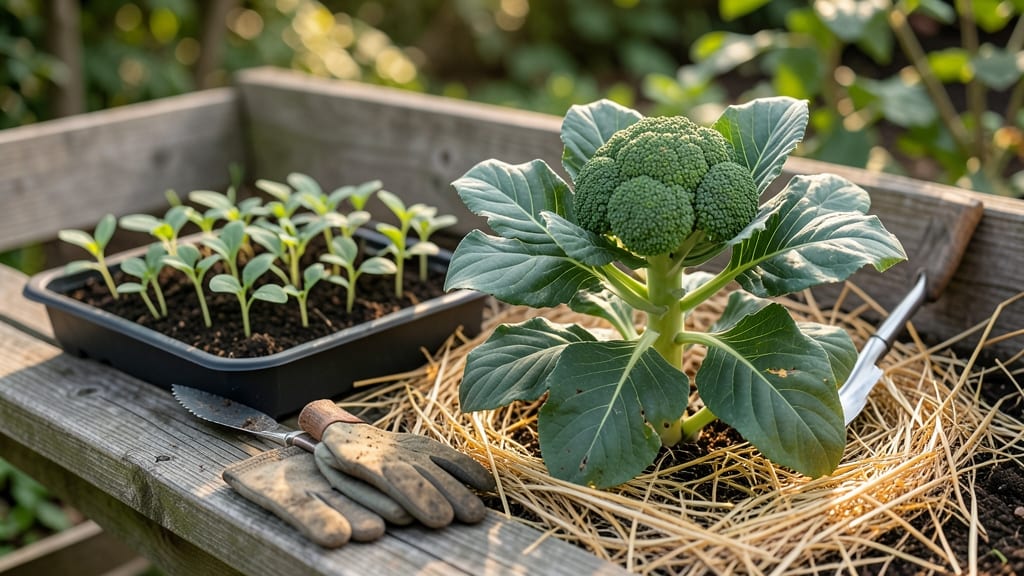
Planting a fall garden in Texas isn’t just about timing—it’s about outsmarting the heat and avoiding that dreaded first frost. If you’ve ever watched your seedlings wilt under 100°F or lost your harvest to a surprise freeze, you know the stakes are high.
The good news? With the right heat-resistant varieties and county-specific start dates, you can grow a thriving garden that lasts well into autumn.
Texas gardeners face unique challenges, from North Texas’s early frosts to South Texas’s lingering summer heat. The key lies in selecting crops like okra, sweet potatoes, and malabar spinach that thrive in warm soil and can handle 90°F+ temperatures.
But planting too early means battling the heat, while waiting too long risks frost damage before your harvest.
In this guide, I’ll break down the exact planting windows for your region—whether you’re in the Panhandle or the Rio Grande Valley—so you can start seeds and transplants at the perfect moment.
You’ll also discover how to extend your growing season with simple tricks like shade cloths and succession planting, ensuring your garden stays productive long after summer fades.
Ready to turn your Texas backyard into a fall harvest goldmine? Let’s get started with the county-by-county timeline and crop secrets that’ll keep your garden flourishing—no matter what Mother Nature throws your way.
Texas county-by-county fall planting dates for heat-resistant vegetables
Planting a fall garden in Texas isn’t about waiting for cooler weather—it’s about choosing the right heat-resistant varieties and timing them to avoid summer’s peak heat. Unlike traditional fall crops, Texas gardeners focus on okra, sweet potatoes, black-eyed peas, and malabar spinach, which thrive when most vegetables wilt.
Your planting window depends on your Texas county’s microclimate. North Texas (like Dallas and Fort Worth) has earlier frost risks, while South Texas (Houston, San Antonio) can push harvests into December. Even within regions, elevation and soil type shift ideal dates by weeks.
Below is your county-by-county planting guide for heat-resistant fall crops, including soil prep tips and succession planting tricks to maximize yields before frost.
For example, in El Paso (USDA Zone 8a), you can plant okra and sweet potatoes as early as mid-June, while Houston (Zone 9a) gardeners wait until late July to avoid extreme heat stress.
Always check your local frost dates (via Texas A&M AgriLife Extension) and adjust by 2-4 weeks if your microclimate runs cooler or hotter than average.
| Region | Planting Window | Key Crops | Soil Prep | Frost Risk |
|---|---|---|---|---|
| North Texas (Dallas/Fort Worth) | Late July - Early August | Okra, Black-eyed peas, Malabar spinach | Add compost; test pH 6.0-6.8 | First frost: Mid-November |
| Central Texas (Austin/San Antonio) | Early August - Mid-August | Sweet potatoes, Cowpeas, Amaranth | Loosen soil; mulch heavily | First frost: Late November |
| South Texas (Houston/Beaumont) | Late July - Early September | Okra, Peanuts, Collards (late) | Drainage check; sandy loam ideal | First frost: Early December |
| West Texas (El Paso/Midland) | Mid-June - Late July | Sweet potatoes, Okra, Black-eyed peas | Irrigation-ready; avoid clay | First frost: Late October |
🌱 Pro Tip: Use row covers in late September to protect tender crops like malabar spinach from unexpected 25°F nights.
If you’re in a cooler microclimate (like the Hill Country), start 2 weeks earlier than the table suggests. Conversely, urban heat islands (e.g., San Antonio’s downtown) may require delaying planting by 1 week to avoid 100°F+ soil temps.
For succession planting, sow okra seeds every 2 weeks from August through September. This ensures a continuous harvest until frost, as younger plants handle cooler temps better than mature ones.
Always water deeply at planting—especially in sandy soils (common in East Texas)—to help roots establish before fall rains arrive. A drip irrigation system on a timer saves time and prevents fungal issues from overhead watering.
Monitor your garden’s soil temperature with a soil thermometer. Ideal planting temps for fall crops in Texas hover around 75-85°F. If your soil runs hotter, wait until evening temps drop below 90°F before sowing seeds.
Finally, mulch heavily with straw or wood chips to retain moisture and regulate soil temps. This is critical in South Texas, where day-night temp swings can stress young plants.
By following these region-specific dates and heat-management tricks, you’ll avoid the two biggest fall gardening mistakes in Texas: planting too early (heat stress) or too late (frost damage).
Top 7 heat-resistant fall garden vegetables for Texas and their planting secrets
Fall gardening in Texas isn’t about fighting the heat—it’s about choosing the right heat-resistant varieties that thrive when most plants bolt. My top picks include okra, sweet potatoes, and malabar spinach, which laugh at 90°F+ temperatures while delivering bountiful harvests.
These crops aren’t just survivors; they’re flavor powerhouses that keep producing long after your spring garden fades.
For beginners, black-eyed peas and cowpeas are foolproof choices—they fix nitrogen in the soil while providing edible pods and tender greens. Even amaranth and swiss chard (like Bright Lights) handle Texas heat better than most greens, offering vibrant colors and crisp textures.
The secret? Planting them 6-8 weeks before your first frost date (usually mid-September for North Texas, October for South).
Okra is my go-to for heat tolerance—it actually needs warm soil to germinate, making it perfect for late summer sowing. Direct-seed okra when soil temps hit 70°F+, and watch it grow 2-3 feet tall in just 60 days. Pro tip: Harvest pods when they’re 3-4 inches long for tender eating, or let them grow longer for thickening soups.
Don’t overlook soil prep—Texas clay holds moisture but drains poorly. Amend beds with 2-3 inches of compost and a 5-10-10 fertilizer before planting. For container gardens, use lightweight potting mix with perlite to prevent root rot.
Water deeply early in the morning to reduce evaporation, and mulch with straw or wood chips to keep roots cool.
My planting secret? Succession plant every 2-3 weeks to stagger harvests. For example, sow okra in early July, then again in mid-August to extend your harvest into October.
This ensures you’re always enjoying fresh pods instead of a sudden glut. Pair heat lovers like sweet potatoes with shade-tolerant malabar spinach to maximize space in small gardens.
Remember: Texas heat is your ally, not your enemy. These crops aren’t just surviving—they’re thriving when others bolt. With the right timing and care, your fall garden can outperform spring plantings in both yield and flavor. Now grab those seeds and let’s grow!