
Plants
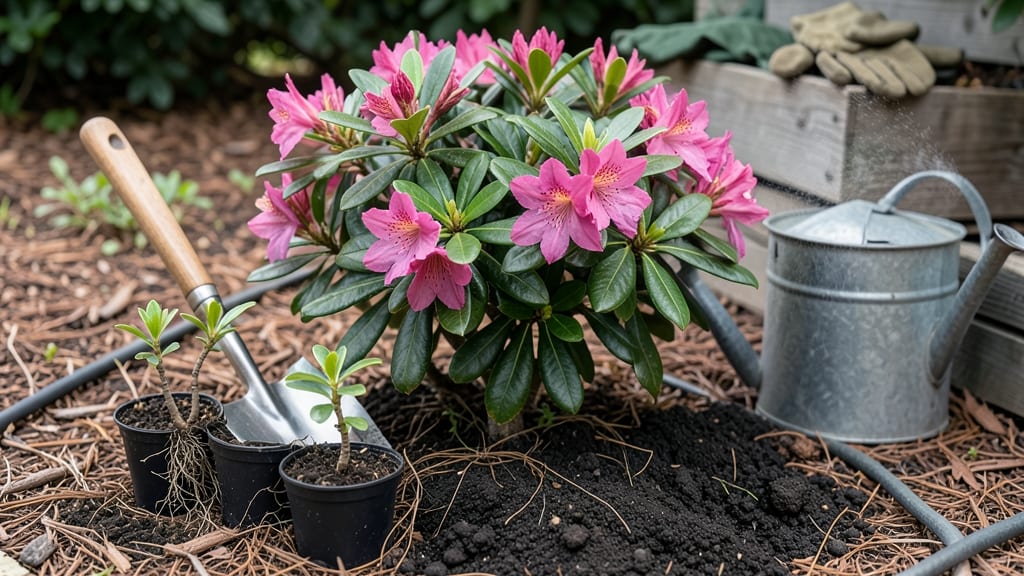
If you’ve ever wondered when to plant azaleas in Florida and why some gardeners swear by fall while others insist on spring, the answer lies in understanding your region’s chill hours and microclimate.
Florida’s warm winters might seem like a challenge for these 🌸-blooming shrubs, but with the right timing, you can ensure vibrant blooms year after year—even in zones 9a-11.
Planting azaleas at the wrong time can leave you with stressed shrubs that struggle to flower or even survive. The key is matching your chosen variety to Florida’s unique climate, whether you’re in North Florida’s cooler pockets or South Florida’s frost-free zones.
I’ll break down the best planting windows—September through November for fall or February to March for early spring—and why these periods set your azaleas up for success.
From preparing acidic, well-draining soil to protecting your plants from Florida’s intense humidity and occasional hurricanes, this guide covers everything you need to know. You’ll discover which azalea varieties thrive in your specific chill-hour zone and how to extend those crucial cold snaps if your winter is too mild.
Let’s get your garden ready for a burst of color that’ll make your neighbors green with envy.
Whether you’re a seasoned gardener or just starting with azaleas, timing is everything. By the end of this guide, you’ll confidently pick the perfect moment to plant—so you can enjoy those stunning blooms without the guesswork. Let’s dive in!
Florida azalea planting timeline by chill-hour requirements
Florida’s mild winters mean traditional azaleas often struggle to bloom—but the key to success lies in matching varieties to chill-hour zones. Most Florida azaleas need 300-600 chill hours (below 45°F) to trigger blooming, while native Southern Indica varieties thrive with just 200-400 chill hours.
Planting at the wrong time can leave your shrubs leafy but flowerless.
North Florida (Zones 8a-9a) gets 300-500 chill hours annually, while Central Florida (Zone 9b) averages 200-300 hours, and South Florida (Zone 10a+) rarely hits 100 chill hours.
This means Evergreen azaleas (like 'George Taber') are your best bet for South Florida, while Northern varieties (like 'Hershey's Red') may need winter protection in colder zones.
Timing is everything: Plant azaleas in Florida between September and November for fall root establishment, or in February-March to avoid summer heat stress. Avoid planting in June-August when temperatures exceed 90°F, which can shock roots.
Here’s how Florida’s regions break down for optimal planting:
| Region | Chill Hours | Best Varieties | Planting Window | Key Tip |
|---|---|---|---|---|
| North Florida (Panhandle) | 300-500 | 'Hershey's Red', 'Girard's Pink', 'Southern Belle' | September-October or February | Mulch heavily for winter protection. |
| Central Florida (Orlando/Tampa) | 200-300 | 'George Taber', 'Ralph D. Moore', 'Southern Indica' | October-November | Avoid afternoon sun; use shade cloth. |
| South Florida (Miami/Ft. Lauderdale) | 0-100 | 'Southern Indica', 'Evergreen', 'Miami' | September-October or February | Use potted azaleas for flexibility. |
For North Florida gardeners, early fall planting (September) gives roots time to establish before winter chill sets in.
In Central Florida, aim for October-November to avoid summer heat and ensure enough chill hours. South Florida’s shorter chill season means Evergreen azaleas are your only reliable option, and planting in September or February minimizes stress.
Pro tip: Check your local chill-hour map (available from UF/IFAS Extension) to fine-tune your timing. For example, Gainesville (Zone 8b) can handle 500+ chill hours, while Miami (Zone 10a) rarely sees 50 chill hours.
This explains why 'Southern Indica' thrives in Miami but may not bloom as heavily in Gainesville.
If you’re in a transition zone (like Lakeland or Ocala), opt for low-chill varieties and supplement with winter shade cloth to extend chill hours naturally. This simple trick can boost blooms by 30-50% without chemicals.
Remember: Azaleas planted in Florida’s summer (June-August) often suffer from root burn due to heat and humidity. Even if you’re eager to plant, wait until temperatures drop below 85°F for at least 2 weeks to give roots a fighting chance.
For container-grown azaleas, the rules are slightly different. Since pots dry out faster, plant potted azaleas in Florida between October and February to align with natural rainfall patterns. Water deeply every 5-7 days in containers, as they can’t access deep soil moisture like in-ground plants.
Finally, avoid planting azaleas during hurricane season (June-November) unless you’re using container plants that can be moved indoors. A Category 1 hurricane can uproot young azaleas, so timing matters just as much as variety selection.
Florida azalea planting timeline by chill-hour requirements
Florida’s mild winters and short chill hours (below 45°F) mean your azalea’s blooming success hinges on planting timing. Most azaleas need 200-600 chill hours, but Florida’s USDA Zones 9a-11 typically offer only 100-300 hours—so choosing the right variety and window is critical.
Plant too late, and your shrub may not flower; too early, and it’ll struggle with summer’s heat.
North Florida (e.g., Jacksonville, Gainesville) gets slightly more chill hours (200-300), while South Florida (Miami, Fort Lauderdale) often sees fewer than 150 hours.
This means Southern Indica azaleas (low-chill varieties) thrive in the south, while Northern azaleas may need winter protection or extended chill hours in the north.
🌸 Key Insight: The ideal planting window is September–November (fall) or February–March (early spring). Fall planting gives roots time to establish before summer heat, while spring planting avoids hurricane season risks. Evergreen azaleas are more forgiving but still benefit from cool-season planting.
If you’re in South Florida, avoid planting in summer (June–August)—the intense heat and humidity stress young roots. Instead, opt for November–January when temperatures dip slightly. North Florida gardeners can push planting into early December, but cover plants if frost threatens (below 28°F).
Pro tip: Test your soil’s pH (aim for 4.5–6.0) and amend with peat moss or sulfur if needed. Florida’s sandy soils often lack organic matter, so mix in compost or pine bark to retain moisture and acidity.
Mulch with pine straw to mimic their natural habitat and reduce water loss.
For container-grown azaleas, timing is even more critical—plant in fall or early spring to avoid root-bound stress. Choose larger containers (1–3 gallons) for better stability, and ensure drainage holes are present to prevent root rot from Florida’s frequent rains. Water deeply after planting to settle soil around roots.