
Plants
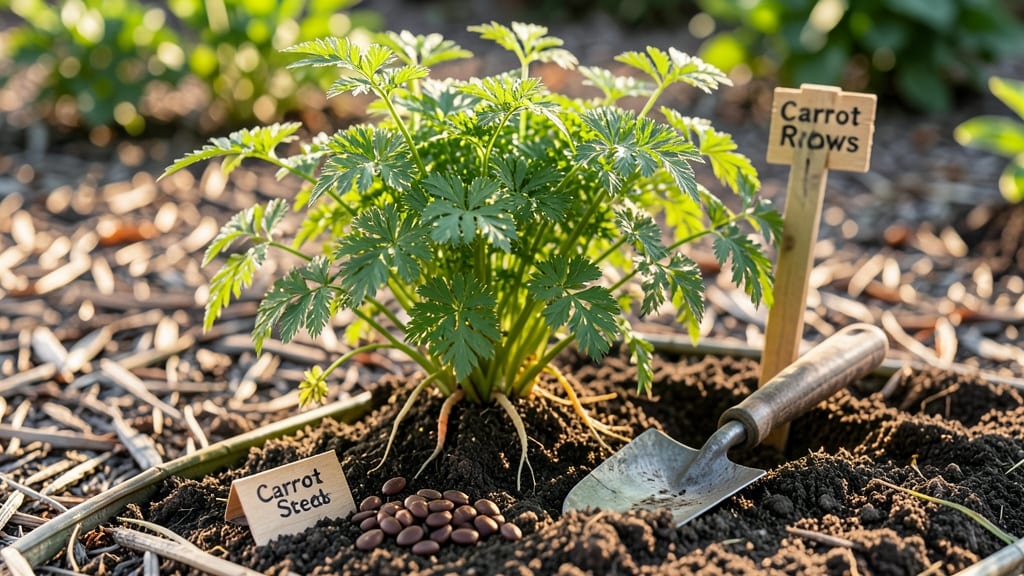
Planting carrots in Florida isn’t just about grabbing seeds and sticking them in the ground—it’s about outsmarting the heat and humidity to grow sweet, straight roots. Unlike northern climates, Florida’s warm winters and long growing season mean you’ve got a 6-month window to get it right, but timing is everything to avoid bolting or stunted growth.
Most gardeners here swear by fall planting, starting as early as September to beat the summer heat, but did you know you can also squeeze in a spring crop?
The key is choosing heat-tolerant varieties like Danvers or Nantes and preparing your soil just right to prevent forking or bitter flavors.
I’ve grown carrots in Florida’s 9a-10a zones for years, and I’ll show you exactly when to plant, how to protect your crop from bolting, and which varieties thrive even when temperatures flirt with 80°F. No more guesswork—just a foolproof schedule for your 🥕 harvest.
Ready to grow carrots that rival store-bought (or even beat them)? Let’s dive into the perfect planting calendar and pro tips to turn your Florida garden into a carrot powerhouse—no frost dates required!
Best planting times for carrots in Florida’s climate zones
Florida’s unique climate—marked by hot, humid summers and mild winters—demands precise timing for growing carrots. Unlike northern states, Florida gardeners can’t rely on frost dates since the state rarely experiences freezing temperatures.
Instead, focus on soil temperatures and heat tolerance to avoid bolting, where carrots prematurely flower and produce bitter roots.
Carrots thrive in cooler weather between 60°F and 75°F. When daytime temperatures exceed 75°F for prolonged periods, they’ll bolt, ruining your harvest. Florida’s fall and winter months offer the best conditions, but even then, regional differences matter.
Northern Florida (Zones 8a-9a) has slightly cooler winters than South Florida (Zones 10a-11), so timing varies by location.
Here’s the ideal planting window for Florida’s three main regions: North, Central, and South. Each zone has specific deadlines to avoid summer heat stress.
| Region | Best Planting Months | Avoid Planting After | Key Consideration |
|---|---|---|---|
| North Florida (Zones 8a-9a) | September–October, January–February | March (risk of 80°F+ soil temps) | Cooler winters allow two harvests: fall and spring. |
| Central Florida (Zones 9a-9b) | August–September, December–January | April (soil temps exceed 75°F) | Longer growing season; prioritize shade cloth in late winter. |
| South Florida (Zones 10a-11) | July–August, November–December | February (heat stress guaranteed) | Tropical heat limits options; focus on heat-resistant varieties. |
For successful fall planting, aim to sow seeds 6–8 weeks before your first expected cool spell. In North Florida, this means late August to early September. Central Florida gardeners should start in mid-August, while South Florida’s window opens in July.
Use a soil thermometer to confirm temps stay below 75°F—this is your best defense against bolting.
Spring planting is trickier in Florida. While northern regions can attempt January–February sowings, Central and South Florida risk rapid warming by March. Instead, opt for staggered plantings every 2–3 weeks in fall to extend harvests through winter.
This “successive planting” strategy ensures a steady supply of fresh carrots when grocery store options dwindle.
One common mistake Florida gardeners make is planting too late in spring. By April, soil temperatures in most regions exceed 80°F, triggering bolting within 3–4 weeks. If you’re determined to grow carrots in summer, use 50% shade cloth and drip irrigation to keep roots cool.
However, yields will likely be smaller and less flavorful.
Pro tip: Test your soil’s pH before planting—carrots prefer 6.0–6.8. Florida’s sandy soils often need compost or peat moss to improve moisture retention and prevent forking. Amend beds 4–6 weeks before planting to give nutrients time to integrate.
Finally, remember that carrots are cool-season crops, meaning they’ll bolt in heat but also struggle in extreme cold. While Florida rarely drops below freezing, unusual cold snaps (like the 2021 freeze) can damage young seedlings. Use row covers or move containers indoors if temps dip below 40°F.
With the right timing and variety, you can enjoy homegrown carrots year-round in Florida. Start with fall plantings, protect seedlings from heat, and always monitor soil temperatures. Soon, you’ll be harvesting crisp, sweet carrots even during the state’s warmest months! 🥕
Best planting times for carrots in Florida’s climate zones
Florida’s 9a-10a climate zones mean you can grow carrots year-round—but not all seasons play nice. The sweet spot for sweet, straight carrots is fall and winter planting, when temperatures dip below 75°F and humidity drops.
Summer heat triggers bolting (premature flowering), turning your crisp roots into bitter, stringy messes. I’ve learned the hard way: Planting in August or May is risky unless you’re using shade cloth or raised beds.
Your best window starts in early September and runs through March, with October-November being the goldilocks zone for most Florida gardeners. This schedule aligns with cooler temps and avoids the 90°F+ summers that send carrots into survival mode.
Even in South Florida’s warmer microclimates, a shade-cloth cover can buy you 2-3 extra weeks of growing time in late spring or early fall.
Here’s the exact breakdown by Florida region—because North Florida’s cooler winters differ from South Florida’s near-tropical heat:
| Region | Ideal Planting Window | Key Considerations | Bolting Risk |
|---|---|---|---|
| North Florida (Panhandle) | September 15 – March 15 | Cooler winters; can plant earlier than South. Use row covers for spring. | Low (Oct-Feb) |
| Central Florida (Orlando/Tampa) | September 1 – March 10 | Humidity spikes in fall—space seeds well to prevent rot. Shade cloth helps in late spring. | Moderate (Mar-Apr) |
| South Florida (Miami/Ft. Lauderdale) | August 20 – February 28 | No frost—focus on shade and raised beds to escape heat. Spring planting only with protection. | High (May-Aug) |
🌡️ Pro Tip: Soil temps above 80°F = bolting risk. Use a soil thermometer to time plantings!
For a continuous harvest, stagger plantings every 2-3 weeks from September through January. This ensures you’re always pulling fresh carrots while avoiding the peak heat months of June-August. I’ve had success with successive sowings in raised beds—even in Central Florida—by using 30% shade cloth during summer’s dog days.
One common mistake? Waiting until April to plant. By then, soil temps are creeping up, and you’ll spend more time fighting bolting than harvesting. Instead, plant your last batch by February 15 and switch to heat-tolerant greens like bok choy or mustard for summer.
Need a quick cheat sheet? Bookmark these dates: September 1 (start), October 15 (peak), February 1 (end). These align with Florida’s coolest months and give you 4-5 months of harvest time before summer shuts down production.
With the right variety (more on that next!), you’ll outpace bolting and grow carrots that rival your grocery store’s—without the plastic wrapping.