
Plants
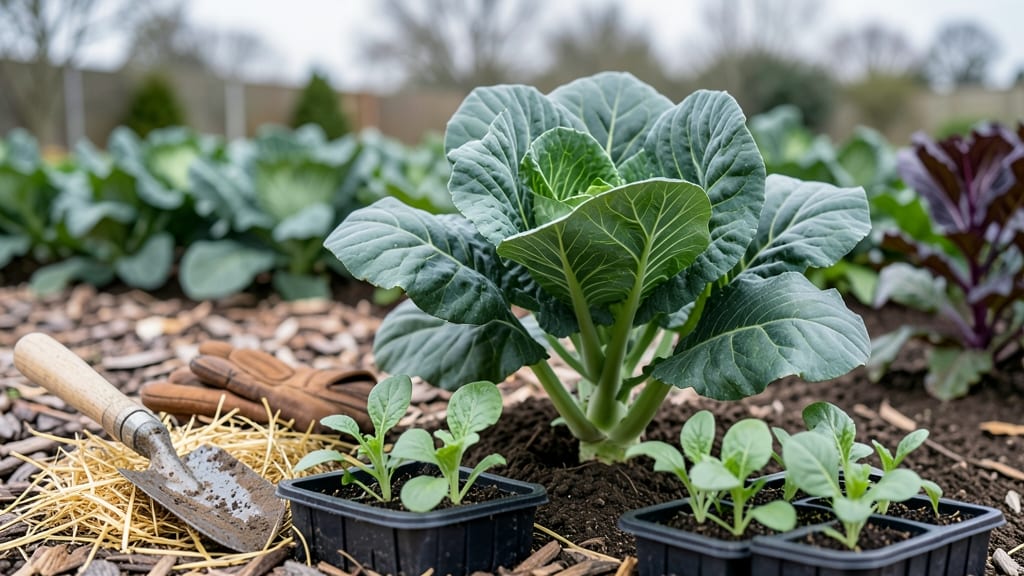
If you’ve ever wondered when do you plant collards in Georgia to avoid summer bolting or winter wilting, timing is the game-changer—and Georgia’s climate makes it tricky. Planting too early risks frost damage, while late starts can leave you with bitter, heat-stressed leaves.
Here’s the secret: Georgia’s 7b-8b zones let you grow collards year-round, but the perfect planting window shifts with the seasons. Whether you’re aiming for a fall harvest or an overwintering crop, knowing when to start seeds or transplants ensures lush, flavorful greens from October through February.
I’ll break down the exact months to plant for peak harvests, regional adjustments (coastal vs. Piedmont), and pro tips to avoid common mistakes. Ready to turn your garden into a collard powerhouse?
Let’s dive into the frost-free timeline that’ll keep your greens thriving—no guesswork, just results.
Georgia collard planting calendar: month-by-month frost-free timeline
Georgia’s diverse climate—from the humid Coastal Plain to the cooler Appalachian Mountains—means collard planting times vary by region. The key is avoiding hard frosts (below 28°F) while giving plants enough time to mature before summer heat sets in. Here’s your region-specific planting schedule to grow tender, flavorful collards year-round.
For Coastal Georgia (USDA Zones 8a-8b), where winters are mild, you can plant collards in fall, winter, and even early spring. In the Piedmont (Zones 7b-8a), expect slightly earlier frosts, while Mountain regions (Zones 6b-7a) require earlier starts.
Always check your local last frost date—typically mid-April for Coastal and early April for Mountains.
📅 Fall Planting (Best for Georgia): Your primary planting window is August through September, giving plants 60–70 days to mature before winter. Coastal gardeners can push this to early October, while Mountain gardeners should finish by mid-September to avoid early frosts.
| Region | Planting Window | Harvest Window | Notes |
|---|---|---|---|
| Coastal Georgia | Aug 15–Oct 15 | Oct–Dec, Jan–Feb | Mild winters; can plant later |
| Piedmont | Aug 1–Sep 30 | Sep–Nov, Jan–Mar | Earlier frosts; use row covers |
| Mountains | Jul 15–Sep 15 | Sep–Nov, Jan–Feb | Shortest season; start early |
| All Regions | Mar 1–Apr 15 | May–Jun | Spring crop; avoid summer heat |
🌱 Spring Planting (Secondary Option): For a spring harvest, plant collard seeds or transplants in early March (after soil reaches 50°F). Coastal gardeners can push this to late February, but Mountain gardeners should wait until mid-March to avoid frost damage. Harvest young leaves in May before summer heat stress sets in.
In summer (June–July), avoid planting collards unless you’re using shade cloth or drip irrigation to protect seedlings from heat stress. Instead, focus on succession planting in late summer for a fall harvest.
For overwintering, plant hardy varieties like 'Georgia Southern' in late September and mulch heavily to protect roots.
🌡️ Temperature Tips: Collards thrive in 55–75°F soil. If daytime temps exceed 85°F, use shade cloth (30–50%) to prevent bolting. Monitor your local 10-day forecast—if a hard freeze (below 28°F) is predicted, cover plants with row fabric or straw mulch.
Pro tip: Direct-sow seeds for the hardiest plants, but transplants give you a 4–6 week head start. Space seedlings 12–18 inches apart in rows 2–3 feet apart for optimal airflow and sunlight penetration. Thin seedlings to avoid crowding, which leads to disease.
🌿 Key Takeaway: Georgia gardeners can grow collards year-round with fall, winter, and spring plantings. Coastal areas have the longest windows, while Mountain regions must start earlier. Always align your planting with local frost dates and soil temperatures for the best results.
How to extend your collard harvest in Georgia: succession planting and overwintering tips
Georgia’s mild winters and long growing season mean you can harvest collards almost year-round—but only if you use smart strategies. The key is succession planting and protecting young plants from erratic freezes.
I’ve grown collards in Zone 7b-8b for years, and these methods have kept my garden producing through January and even February.
Start with two main plantings: one in late summer (August) for a fall harvest, and another in early spring (March) for summer greens. But don’t stop there—succession plant every 3-4 weeks between August and October to ensure a steady supply.
This works especially well in Georgia’s coastal regions, where winters are milder.
For overwintering, focus on cold-hardy varieties like ‘Georgia Southern’ or ‘Vates’. Plant these in late September so they establish roots before frost. Once temperatures drop below 30°F (-1°C), use row covers or straw mulch (4-6 inches deep) to insulate the soil and protect leaves from freeze damage.
I’ve seen collards survive 20°F (-7°C) with these tricks!
🌱 5 Proven Strategies to Extend Your Collard Harvest
- 📅 Succession Plant: Sow seeds every 3-4 weeks from August to October for continuous harvests.
- 🛡️ Use Row Covers: Protect young plants with floating row covers during unexpected frosts (even 24°F (-4°C) tolerance).
- 🌡️ Mulch Heavily: Apply 6+ inches of straw around plants in winter to insulate roots and soil.
- 🌿 Choose Cold-Hardy Varieties: ‘Georgia Southern’ and ‘Vates’ handle 20°F (-7°C) better than others.
- 💧 Water Deeply Before Freezes: Ensure soil is moist but not soggy to help plants survive cold snaps.
If you’re in Georgia’s Piedmont or Mountain regions, where winters are colder, consider cold frames or low tunnels to create microclimates. These structures trap heat and can add 5-10°F of protection during hard freezes.
I’ve used them to grow collards through December in Zone 7b—just remove the cover on warm days to prevent overheating.
Don’t forget to harvest strategically! Cut outer leaves first to encourage regrowth, and avoid taking more than ⅓ of the plant at once. This keeps your collards productive even in winter.
With these techniques, you’ll have fresh greens on your table from October through March—or longer if you’re near the coast.
Pro tip: Fertilize lightly in early spring (use a 10-10-10 mix) to jumpstart growth after winter dormancy. Skip heavy feeding in summer, as collards prefer cooler weather. Now go plant those seeds—your future salads are waiting!