
Plants
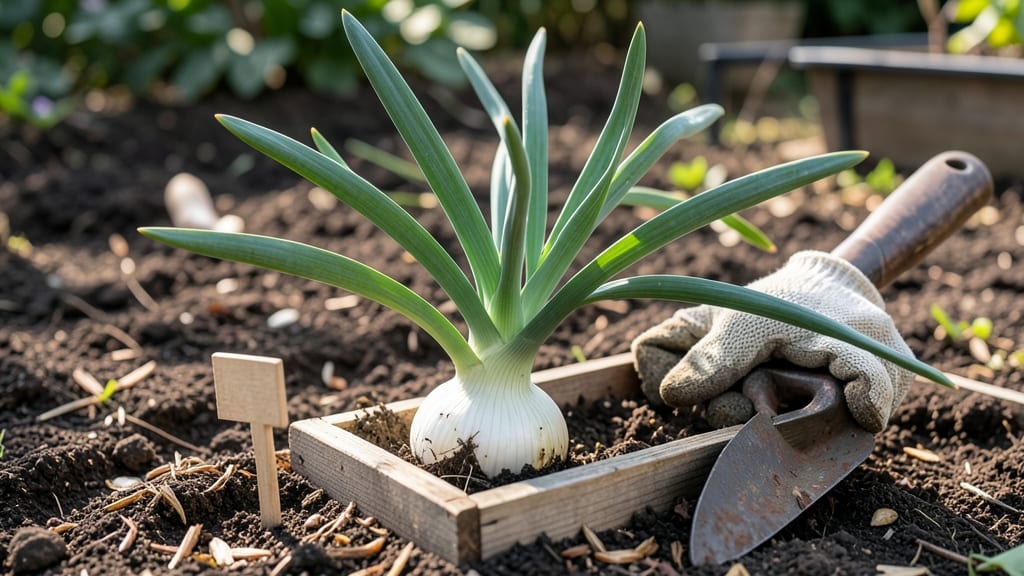
Planting garlic in Alabama at the wrong time can turn your 🧄 dreams into bitter disappointment—bolting before harvest or weak growth that barely rivals store-bought. But when you time it right, you’ll grow bold, flavorful bulbs that make every meal taste like a homegrown victory.
Here’s the secret: Alabama’s 7b-8b climate means your planting window is short but critical. The key is getting those cloves in the ground between October and November, when soil temps drop but frost hasn’t yet arrived.
This ensures your garlic spends winter dormant and emerges strong in spring for a April-May harvest.
Why does timing matter so much? Because garlic needs 60-90 days of cool weather to form bulbs—not heat. Plant too late, and you risk bolting (flowering) before harvest.
Too early, and winter’s chill can weaken growth. I’ll show you exactly how to nail those dates for zero-bolt success, no matter where in Alabama you’re gardening.
Whether you’re a beginner or a seasoned gardener, these tips will help you avoid common pitfalls—like choosing the wrong variety or skipping soil prep—and set you up for garlic that’s sweeter, bigger, and ready to impress. Let’s get those cloves in the ground the right way!
Best fall planting dates for Alabama garlic to avoid bolting
Alabama’s warm winters and unpredictable freezes make fall garlic planting a delicate balance. Plant too early, and your cloves might rot in soggy soil. Plant too late, and they’ll bolt prematurely when spring arrives.
The sweet spot is 6-8 weeks before the first hard frost, which in Alabama typically falls between mid-November and early December, depending on your region.
For North Alabama (USDA Zone 7b), aim for late October to early November.
In Central Alabama (Zone 8a), you’ve got a little more flexibility, with early to mid-November being ideal. South Alabama (Zone 8b) gardeners can push it to mid-November, but don’t wait past Thanksgiving—your garlic needs time to establish roots before winter dormancy sets in.
Here’s the golden rule: soil temperatures should be below 80°F but above freezing when you plant. Use a soil thermometer to check—60-70°F is perfect. If your soil is still too warm, wait a week or two. If it’s already chilly, act fast before the ground hardens.
Pro tip: Hardneck varieties (like 'Music' or 'German Red') thrive in Alabama’s climate, while softneck types (like 'Silverskin') are more forgiving for late plantings. But no matter what, don’t plant after December 1st—you’ll risk bolting before harvest.
📅 Alabama Garlic Planting Timeline
| Region | Ideal Planting Window | Last Planting Date | Soil Temp Goal |
|---|---|---|---|
| North Alabama (Zone 7b) | Late October – Early November | November 15 | 60-70°F |
| Central Alabama (Zone 8a) | Early – Mid-November | November 25 | 60-70°F |
| South Alabama (Zone 8b) | Mid-November | December 1 | 65-75°F |
🌱 Note: Adjust for early freezes—check your local Alabama Cooperative Extension for frost dates.
If you miss the fall window, you can still plant garlic in early spring, but the bulbs will be smaller and less flavorful. For a spring harvest, plant in February—but be ready to harvest by June before the heat triggers bolting.
The trade-off? Spring-planted garlic often bolts before maturing, so fall is the only reliable option for full-sized bulbs.
One more critical factor: daylength sensitivity. Garlic is a long-day plant, meaning it bolts when days exceed 14-16 hours of light. In Alabama, this happens in late February to early March.
To delay bolting, plant early enough so your garlic reaches maturity (240-300 days) before this critical window.
For example, if you plant on November 1st, your garlic will need 270 days to harvest—landing you in late July or August, well before bolting season. But if you plant on December 1st, you’re pushing it to September harvest, which is risky in Alabama’s heat.
Use this simple formula to calculate your last planting date: First hard frost date – 60 days = Final planting cutoff. For most of Alabama, that’s November 15th. Mark it on your calendar—it’s your last chance for zero-bolt garlic!
Finally, remember that Alabama’s clay-heavy soils can delay planting if they’re waterlogged. Amend your beds with compost or sand a few weeks before planting to improve drainage. This ensures your cloves won’t rot in the ground over winter.
How to adjust planting dates for zero-bolt garlic in Alabama’s climate
Alabama’s variable climate—especially the unpredictable late freezes—can turn your garlic planting into a gamble. But with a few smart adjustments, you can extend your growing season and avoid the dreaded bolting that ruins harvests.
The key is balancing soil temperatures, mulching strategies, and variety selection to match your local frost dates.
Most gardeners in Alabama’s 7b-8b zones aim for a 60-90 day cool-season growth window. If you plant too late, your garlic will bolt (shoot up a flower stalk) before bulbs mature.
Too early, and winter’s chill can stunt growth. The solution? Adjust your planting dates based on your last expected frost and use mulch to regulate soil temps.
Here’s my proven method: Start with your average last frost date (usually mid-November in North Alabama, late November in South Alabama). Count backward 4-6 weeks—that’s your ideal planting window.
For example, if frost hits November 15th, plant by October 1st. But if you’re in a warmer microclimate, you might push it to early November.
For extra insurance, use straw or leaves as mulch after planting. A 4-6 inch layer insulates soil, keeping temps stable and protecting cloves from freeze-thaw cycles. This lets you plant up to 2 weeks later than the standard window. Just remove mulch in early spring to reveal emerging shoots.
Not all garlic varieties handle Alabama’s heat the same way. Softneck varieties like Silverskin or Artichoke are bolt-resistant and thrive in our climate, while hardneck varieties (like Rocky Mountain) may bolt earlier. If you’re pushing your planting date, stick with softnecks for zero-bolt success.
One more trick: If you miss the fall window, you can try a spring planting in February for a summer harvest. But bulbs will be smaller and may bolt faster in Alabama’s heat. Spring planting is best for green garlic or scapes, not full bulbs.
Remember, the goal is 60-90 days of cool weather before summer heat arrives. Use these adjustments to fine-tune your planting date, and you’ll harvest plump, flavorful bulbs—not bitter, bolted disappointments. 🌱
⚠️ Late Planting Warning
Planting after November 15th in most of Alabama risks bolting. If you’re in South Alabama (Zone 8b), you might push it to early December, but use heavy mulch to protect cloves. Without insulation, garlic planted too late may sprout weakly or bolt prematurely.
Pro Tip: Check soil temps—ideal planting temps are 40-50°F. If temps drop below 32°F, mulch immediately to prevent freeze damage. 🌡️
To summarize, your Alabama garlic planting strategy should include:
- Count backward 4-6 weeks from your last frost date.
- Use mulch to extend your window by 1-2 weeks.
- Choose bolt-resistant varieties like Silverskin if planting late.
- Avoid spring planting for full bulbs—it’s risky in our heat.
With these adjustments, you’ll outsmart Alabama’s climate and grow garlic that’s sweeter, larger, and ready to harvest when you need it. The secret? Precision timing and a little extra insulation. Now go plant those cloves—and enjoy the rewards next spring! ✂️