
Plants
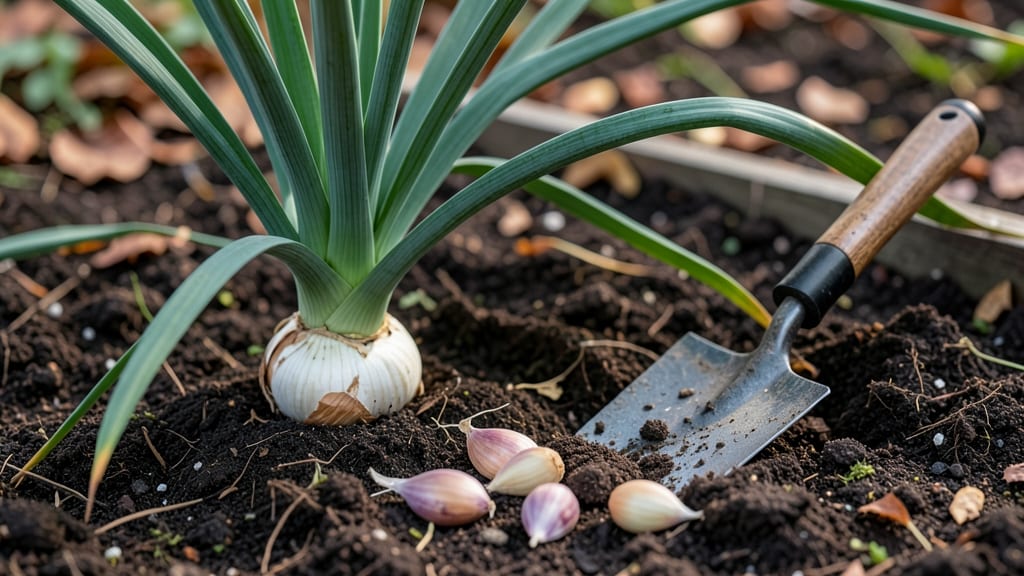
Planting garlic in California at the wrong time can turn your garden dreams into a bitter disappointment—especially when you're eyeing that perfect harvest for summer meals. Unlike other crops, garlic thrives in winter's crisp air, but timing is everything to avoid bolting or weak bulbs. Whether you're in coastal San Diego or the Central Valley, getting those cloves in the ground between October and December (or early January) sets you up for success.
Here's the catch: California's varied microclimates mean what works in frost-free coastal areas might not suit inland regions with cooler nights. Too early, and your garlic could bolt prematurely; too late, and you risk stunted growth.
I'll break down the ideal planting windows for your specific zone—because one size doesn't fit all when it comes to California's climate quirks.
You'll also discover how to choose between hardneck and softneck varieties (yes, they have different needs!), plus pro tips for soil prep that make all the difference. No more guessing—just a foolproof plan to grow garlic that's ready to harvest when you need it most.
Let's dive into the climate-smart approach that'll have you harvesting plump, flavorful bulbs from June through August—without a single plant going to waste.
Best months to plant garlic in California by climate zone
California’s diverse climate—from frost-free coastal regions to cooler inland valleys—means planting garlic at the wrong time can lead to bolting or poor bulb development. The key is planting 4-6 weeks before the ground cools significantly, ideally when daytime temps hover around 60-70°F but nights dip below 50°F.
For most of California, this means fall planting between October and December, with a secondary window in January-February for late bloomers.
Unlike colder climates, California gardeners don’t need to worry about frost dates—except in high elevations like the Sierra Nevada. Instead, focus on soil temperature and rainfall patterns.
Coastal areas (e.g., San Francisco, Santa Barbara) can plant slightly later due to milder winters, while inland desert regions (e.g., Palm Springs) may need to plant earlier to avoid summer heat stress.
Here’s how to align your planting with California’s three main climate zones for zero bolting and maximum yield:
Pro tip: For coastal gardeners, aim to plant garlic 6-8 weeks before Christmas to ensure bulbs mature by summer. Inland gardeners should plant by Thanksgiving to avoid spring bolting. Always choose large, firm cloves from organic garlic (no treated varieties) for the best start.
If you’re in a transition zone (e.g., Bay Area foothills), split your planting: 50% in November and 50% in January to stagger harvests. This extends your growing season and reduces bolting risk. Just remember: No garlic planted after February will reliably bulb out in California’s climate.
Another critical factor is rainfall. In drought-prone areas like San Diego or Los Angeles, supplement with drip irrigation to maintain consistent moisture without overwatering. Overhead watering can spread diseases like white rot, which thrives in California’s humid coastal summers.
For container gardeners, plant in October-November regardless of zone, but use larger pots (12+ inches deep) to accommodate root growth. Containers warm up faster, so monitor soil moisture closely—dry soil = bolting.
Finally, if you’re new to garlic growing, start with softneck varieties like ‘California Early’, which are more forgiving of timing mistakes. Hardnecks (e.g., ‘Artichoke’) require precise planting but offer larger bulbs and floral stems for cooking.
How to adjust planting time for zero bolting in California’s varied weather
California’s microclimates can turn garlic planting into a guessing game—too early, and your crop bolts; too late, and you miss the sweet spot. The key? Adjusting your timing based on your specific region and elevation. Coastal areas like San Diego or Santa Barbara can plant later than inland Sacramento or Fresno, where cooler nights arrive sooner. Mulch is your secret weapon. A 4-inch layer of straw or compost insulates soil, keeping temperatures stable and delaying bolting. For high-elevation gardens (above 3,000 ft), plant hardneck varieties like ‘German Red’ in October—they handle cooler temps better. In Southern California’s mild winters, you might even squeeze in a second planting in January for a late-summer harvest.🌱 Did You Know? Garlic needs 60-80 days of cold temps (40-50°F) to form bulbs. Without this, you’ll get skinny, pungent cloves instead of plump, flavorful ones. Use a thermometer to track soil temps—aim for consistent chilling before growth resumes in spring.
Bolting (when garlic sends up a flower stalk) is the #1 enemy of California gardeners. Watch for rapid leaf growth or flower scapes—these mean your plant is stressed by heat or drought.
If caught early, prune the scape to redirect energy to bulb development. For softneck varieties like ‘Artichoke’, which are more heat-tolerant, you can push planting to early December in coastal zones.
🌡️ Pro Tip: If your winters are unusually warm (like in USDA Zone 10b), try shading cloth or planting in partial shade to slow growth. Even a 10% reduction in sunlight can delay bolting by 2-3 weeks.
Pair this with consistent watering—deep soaks every 10-14 days—to keep soil moisture even.
⚠️ Warning: Overwatering in spring triggers bolting just as surely as heat. Once April rolls around, reduce watering to every 2 weeks and stop fertilizing to signal the plant it’s time to focus on bulb development, not foliage.
If your garlic starts sending up flower stalks before May, it’s too late to save the crop—pull and compost to avoid spreading disease.
📅 Timing Hack: For Northern California’s foggy coasts, plant 2 weeks earlier than inland areas. The San Francisco Bay Area (Zone 9b) can start as early as mid-September, while Central Valley (Zone 9a) waits until late October.
Test your soil’s moisture retention—sandy soils dry out faster and may need earlier planting to avoid spring drought stress.
Final Check: Before planting, break apart garlic bulbs into individual cloves, ensuring the root side faces down. Plant pointy-end up, 2 inches deep, and 6 inches apart in well-draining soil.
If your area gets frost warnings (rare but possible in Sierra foothills), use row covers to protect young plants. With these adjustments, you’ll avoid bolting and harvest plump, flavorful garlic from June to August.
🚨 Bolting Warning Signs & Fixes
- 🌱 Early Sign: Leaves grow long and thin → Prune flower scape immediately to save bulb.
- 🌡️ Heat Stress: Soil temps above 70°F → Shade cloth + reduce water.
- 💧 Overwatering: Soft, mushy soil → Let soil dry slightly between waterings.
- ⏳ Late Planting: After January 15 → Risk of small bulbs—plant early next year.
💡 Remember: Bolting is often genetic—if your garlic bolts yearly, try a later-maturing variety like ‘Silverskin’.