
Plants
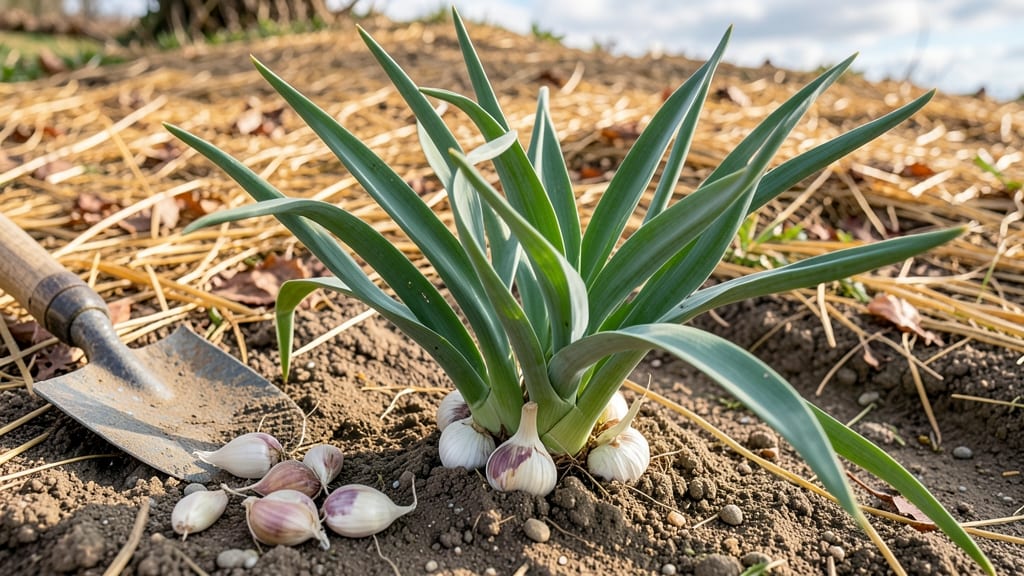
Planting garlic in Pennsylvania at the wrong time can mean the difference between plump, flavorful bulbs and disappointing harvests. The ideal window for growing this hardy crop in zones 5b-7a is fall—specifically between October and November—when soil temperatures drop but the ground remains workable.
Why does timing matter so much? Garlic needs 6-8 weeks of cold exposure to develop properly, a process called vernalization. In Pennsylvania’s climate, planting too early or too late disrupts this crucial phase, leading to smaller bulbs or even no harvest at all.
The key is planting 4-6 weeks before the first hard frost, typically around mid-October for most regions.
Spring planting is possible but risky in Pennsylvania, often resulting in weaker bulbs. If you’re new to growing 🧄 garlic, fall planting gives you the best shot at success—especially for hardneck varieties like Music or German White, which thrive in the Keystone State’s growing conditions.
In this guide, I’ll walk you through the exact steps to plant garlic for a bountiful harvest in July-August, including soil prep, spacing tips, and how to adjust for Pennsylvania’s microclimates. Let’s get those cloves in the ground the right way!
Best planting months for garlic in Pennsylvania zones 5-7
In Pennsylvania's USDA zones 5-7, the best time to plant garlic is in late fall—typically between October and November. This timing ensures garlic establishes roots before winter dormancy, leading to robust growth and larger bulbs the following summer.
Most gardeners aim to plant 4-6 weeks before the ground freezes, which in PA usually falls between mid-October and early November.
For hardneck varieties, fall planting is critical—they require cold exposure to form bulbs. Softneck garlic, while more adaptable, still thrives with a fall start. Spring planting is possible but often yields smaller bulbs, as the growing season is shorter.
If you must plant in spring, do so in early March to maximize bulb development before harvest.
Pennsylvania's climate varies significantly across regions, so adjust your timing based on your local frost dates. For example, gardeners in Pittsburgh (Zone 6b) might plant in late October, while those in Philadelphia (Zone 7a) could wait until early November.
Always check your last frost date—planting too early risks rotting, while planting too late may stunt growth.
Pro tip: Use a moon planting calendar for optimal root development. Aim for a rooting moon phase (waning moon) when planting garlic. This traditional method aligns with natural cycles and can improve bulb quality.
🌱 Pennsylvania Garlic Planting Timeline
| Stage | Action | Best Time |
|---|---|---|
| Soil Prep | Test pH (6.0-7.0), amend with compost | September-October |
| Planting | Break bulbs into cloves, plant 2" deep, pointed end up | October-November (4-6 weeks before frost) |
| Winter Dormancy | Mulch with 2-4" straw; protect from rodents | December-February |
| Spring Growth | Remove mulch, fertilize lightly in March | March-April |
| Harvest | Dig when lower leaves brown, cure in dry shade | July-August (following year) |
💡 Key: Adjust dates 1-2 weeks earlier for Zone 5 (e.g., Erie) or later for Zone 7 (e.g., Philadelphia).
If you're in northern PA (Zone 5), like in Erie or Scranton, plant garlic by mid-October to avoid early frosts. These areas have shorter growing seasons, so timing is even more critical.
In southern PA (Zone 7), like near Reading or Lancaster, you can extend planting until early November without risking frost damage.
For urban gardeners in Philadelphia or Pittsburgh, consider container growing if your soil drains poorly. Containers warm up faster in spring, allowing for slightly later planting. Just ensure pots have drainage holes and use a well-draining potting mix to prevent rot.
One common mistake is planting garlic too early in fall. If you plant in September, cloves may sprout and get damaged by early frosts. Wait until soil temperatures drop below 70°F—usually by mid-October—to ensure healthy root establishment before winter.
After planting, mulch heavily with straw or leaves to insulate bulbs during winter. This protects against temperature fluctuations and rodent damage. In early spring, remove mulch to allow sunlight to warm the soil and encourage growth.
Remember, garlic is a perennial crop in PA, but it’s typically grown as an annual for larger bulbs. If you plant in fall, you’ll harvest the following summer. For a continuous supply, plant half your garlic in fall and half in early spring, though spring-planted garlic will be smaller.
For best results, choose locally adapted varieties like Music (hardneck) or German White (softneck), both of which thrive in PA’s climate. These varieties are bred to handle the state’s cold winters and hot summers, ensuring reliable yields.
Best planting months for garlic in Pennsylvania zones 5-7
In Pennsylvania's zones 5-7, garlic thrives when planted in fall—specifically between October and November. This timing allows roots to establish before winter dormancy, setting the stage for robust growth next spring.
Spring planting is possible but less reliable, often resulting in smaller bulbs due to insufficient root development.
For hardneck varieties (like Music or German White), aim to plant 4-6 weeks before the first hard frost. In most of PA, this falls between mid-October and early November.
Softneck varieties (like Silverskin) can tolerate slightly later planting, up to early December, but avoid planting after the ground freezes.
| Planting Window | Best For | Key Consideration |
|---|---|---|
| October 15 - November 15 | Hardneck varieties | Root establishment before frost |
| November 1 - December 1 | Softneck varieties | Tolerates later planting |
| March 15 - April 15 | Spring planting (risky) | Smaller bulbs, less reliable |
Pennsylvania's first frost dates vary by region. In zone 5b (e.g., Poconos), frost arrives by mid-October, so plant garlic by October 1. In zone 7a (e.g., Philadelphia), you have until late November to plant.
Check your local USDA frost map to pinpoint the ideal window for your county.
If you miss the fall window, spring planting is an option but requires extra care. Plant cloves in March when soil temperatures reach 40°F, and use row covers to protect young shoots from late frosts. However, bulbs from spring-planted garlic are typically 30-50% smaller than fall-planted varieties.
For best results, avoid planting garlic in late fall (after December) or early spring (before March). These timing mistakes often lead to rotten cloves or poor bulb formation. Instead, focus on the 4-6 week window before frost for maximum yield and flavor.
Pro tip: Use a garlic planting calculator to input your zip code and get a personalized planting date. Many PA extension offices (like Penn State Extension) offer free tools to help you plan.