
Plants
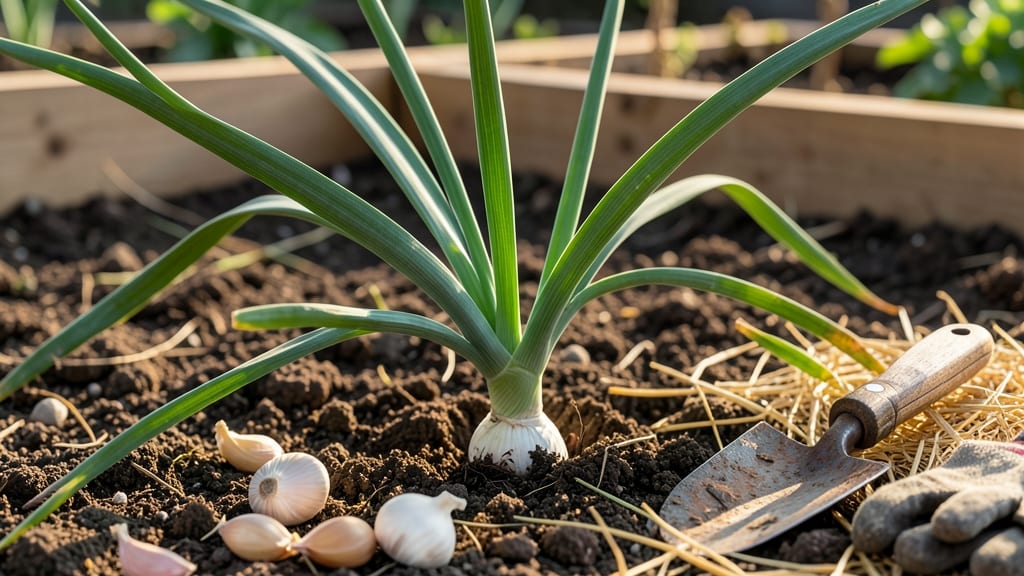
Planting garlic in the fall isn't just a gardening tip—it's the game-changer for growing bold, flavorful bulbs that outshine spring-planted varieties. But timing matters more than you might think, especially when you're working with 6 weeks before frost as your deadline.
If you live in USDA Zone 6a (like much of the Midwest), your window opens around early October and closes by mid-November. That's when soil temperatures drop into the ideal 40-50°F range, signaling garlic to root before winter dormancy kicks in.
Miss this window, and you risk weak growth or small harvests the following summer.
Why does this timing work so well? Fall-planted garlic establishes strong roots before freezing, giving it a head start on spring growth. Plus, cooler temperatures reduce pest pressure and help bulbs develop their signature sweetness.
Let me walk you through exactly how to calculate your perfect planting date—and avoid common mistakes that sabotage even the most eager gardeners.
Whether you're a first-time grower or a seasoned gardener looking to refine your technique, these insights will help you learn how to plant garlic for maximum yield. Let's get those cloves in the ground at the right moment!
The perfect fall garlic planting timeline by US hardiness zones
Timing your garlic planting is all about working with your local climate—not just guessing. The golden rule is to plant 6-8 weeks before your first expected frost, but this translates to different months depending on where you live.
For example, gardeners in Zone 5 (like Chicago) should aim for early October, while those in Zone 8 (like Miami) can plant as late as December.
Why this window? Garlic needs time to establish roots before winter dormancy. If planted too late, it won’t develop strong bulbs. Too early, and it may sprout prematurely, weakening before frost. Let’s break it down by zone so you can pinpoint your exact planting date.
| USDA Zone | Ideal Planting Month | Backup Window (if frost delayed) | Soil Temp Goal |
|---|---|---|---|
| Zones 3-4 (Cold Climates) | Mid-September to early October | Early November (if frost delayed) | 40-50°F |
| Zones 5-6 (Midwest/Northeast) | Late September to mid-October | Early December (risky) | 45-55°F |
| Zones 7-8 (South/Southeast) | October to early November | Mid-December (if mild) | 50-60°F |
| Zones 9-10 (West Coast) | November to early December | January (if frost-free) | 55-65°F |
🌱 Pro Tip: Use the National Weather Service frost chart for your city to calculate your exact deadline.
If you’re unsure about your zone, check the USDA Plant Hardiness Zone Map or use a frost date calculator like the one from Almanac.com. For example, in Zone 6a, where first frost typically hits by November 15, you’d plant between September 28 and October 15.
Regional adjustments matter too. In cooler microclimates (like mountain valleys), plant earlier. In warmer microclimates (like urban heat islands), you might push planting later. Always err on the side of planting too early rather than too late—garlic can handle a little extra cold but struggles with late planting.
Once you’ve nailed your planting window, the next step is preparing your soil. Garlic thrives in well-draining, nutrient-rich soil with a pH of 6.0-7.0. Work in compost or aged manure a few weeks before planting to give those cloves the best start.
I’ll cover soil prep and other critical factors in the next section.
Remember, the goal is to give your garlic enough time to root before winter sets in. With the right timing, you’ll harvest plump, flavorful bulbs the following summer—worth the effort!
The perfect fall garlic planting timeline by US hardiness zones
Timing your garlic planting is all about working with nature’s schedule. The golden rule is to plant 6-8 weeks before the first hard frost—this gives cloves enough time to root before winter dormancy.
For USDA Zone 6a, that’s typically early October to mid-November, but your exact window depends on your local frost date.
Why this timing? Garlic needs 40-50°F soil temperatures to root properly. Planting too early (when soil is still warm) can trigger premature sprouting, while planting too late risks weak root development before freezing. Let’s break down the ideal planting windows by zone to help you pinpoint your perfect date.
| USDA Zone | Ideal Planting Window | Backup Window (if frost comes early) |
|---|---|---|
| 3-5 (Cold Climates) | Mid-September to early October | Late September (if frost arrives by October 15) |
| 6-7 (Midwest/Northeast) | Early October to mid-November | Late October (if frost arrives by November 1) |
| 8-9 (Southwest/Southeast) | October to early December | Early November (if frost arrives by December 10) |
| 10+ (Mild Climates) | November to January | December (if frost arrives by January 15) |
🌡️ Pro Tip: Check your local average first frost date using the USDA Plant Hardiness Zone Map or a frost calendar for your county.
If you’re unsure about your frost date, use a simple trick: plant test cloves 2 weeks early in a small pot. If they sprout before the ground freezes, you’re safe to plant the rest.
For most gardeners, late October is the sweet spot in Zone 6a, but adjust based on your local climate.
Regional adjustments matter too. In cooler northern zones (3-5), aim for mid-September to avoid early frosts, while warmer southern zones (8-10) can plant as late as December. The key is ensuring garlic has 6-8 weeks of root growth before winter sets in.
Don’t stress if your window is tight—garlic is hardy and forgiving. Even if you plant just 2-3 weeks late, you’ll still get a harvest, though bulbs may be smaller. The real risk is planting too early, which can lead to rot or weak growth from overactive sprouting.
Once you’ve nailed your planting date, focus on soil prep and clove placement. Break apart bulbs into individual cloves, plant them pointy-end up, and space them 4-6 inches apart in well-draining soil. With the right timing, you’re on track for bold, flavorful garlic next summer!