
Plants
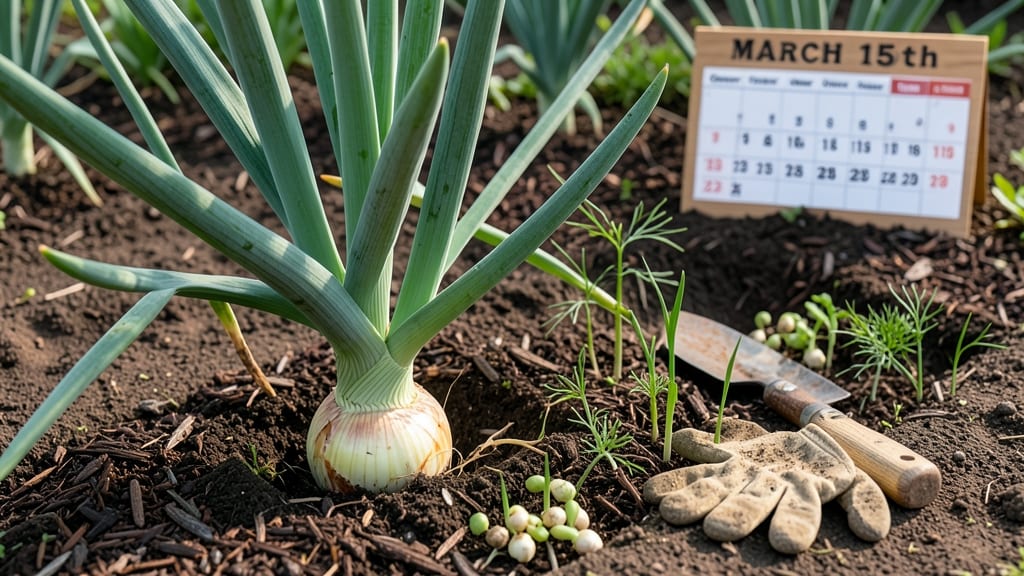
Timing your 🧅 onion planting in North Carolina is the single most important factor in growing sweet, plump bulbs instead of bitter, bolted greens. Get it wrong, and you’ll end up with disappointing harvests—get it right, and you’ll enjoy homegrown onions that rival store-bought (or even beat them).
The best window for planting in your 7a-8b zone is February through March for spring onions, or August through September for fall varieties. These dates align with North Carolina’s frost-free periods, giving your onions the ideal 120-150 days to mature before heat or cold triggers bolting.
Why does this matter? Because onions are finicky about temperature—they need cool soil to form bulbs, not heat to flower prematurely.
I’ll walk you through exactly how to time your planting, choose the right varieties for your region, and avoid common pitfalls that turn your garden into a science experiment gone wrong.
Let’s cut to the chase: whether you’re a first-time gardener or a seasoned green thumb, these zone-specific tips will help you grow onions that are larger, sweeter, and more reliable than ever before. Ready to dig in?
North Carolina planting zones & ideal onion planting dates by month
North Carolina spans USDA zones 6b through 8a, which means your ideal onion planting window depends on whether you're in the cooler mountainous regions or the warmer coastal plains.
For mountain zones (6b-7a), aim for late February to early March for spring onions, while coastal and piedmont zones (7b-8a) can start as early as January—just before the last frost date.
Onions are cool-season crops, so planting too early in warm soil or too late when days lengthen will trigger bolting (premature flowering). The key is to plant when soil temps are 40-60°F and daylight hours are still short—typically 6-8 hours of sun at planting time.
Here’s how to pinpoint your exact window: Check your local last frost date (usually mid-March in the mountains to early March on the coast) and plant 4-6 weeks before. For fall planting, aim for late August to early September to allow bulbs to mature before winter.
| Zone & Region | Spring Planting Window | Fall Planting Window | Last Frost Date | Key Tip |
|---|---|---|---|---|
| Mountains (6b-7a) | Late February–Early March | Late August–Early September | Mid-March | Use short-day varieties like 'Texas Early White'. |
| Piedmont (7b-8a) | January–Early February | Early–Mid August | Early March | Plant yellow or red onions for better heat tolerance. |
| Coastal Plains (8a-8b) | January–February | Mid–Late July | Late February | Prioritize shallow soil prep—coastal soils drain poorly. |
For maximum bulb size, focus on spring planting in NC’s climate. Fall-planted onions often yield smaller bulbs due to shorter daylight in winter, but they’re perfect for green onions or overwintering.
If you’re in zone 8a, you can even try a second fall crop in mid-September for a late-winter harvest.
Pro tip: Use onion sets (small bulbs) instead of seeds for more predictable timing. Sets sprout faster and are less likely to bolt if planted at the right time. For seed-started onions, begin indoors 8-10 weeks before your last frost date.
North Carolina’s humid summers can stress onions, so avoid planting in June or July—this is when onions are most likely to bolt. Instead, focus on early spring or late summer for the best results.
If you miss the spring window, don’t despair: green onions can be planted year-round in NC’s mild winters.
To calculate your exact planting date, subtract 4-6 weeks from your last frost date. For example, if your last frost is March 20, plant by February 10. Use the NC State Extension’s frost calendar for your county to fine-tune timing.
Remember: Daylength matters. Onions need 12-14 hours of daylight to form bulbs, but too much sunlight too soon causes bolting. In NC’s longer summer days, this means planting early is critical for bulb development.
🌱
How to time onion planting for maximum bulb size (and avoid bolting)
Timing your onion planting in North Carolina is all about avoiding premature bolting—when onions flower too early, producing bitter, small bulbs instead of sweet storage onions. The key? Planting at the right time for your USDA zone (7a-8b) and choosing varieties suited to North Carolina’s day-length conditions.
Onions are short-day plants, meaning they need 12-14 hours of daylight to trigger bulb formation. In North Carolina, this means planting in early spring (February-March) or late summer (August-September) for the best results. Planting too early or too late disrupts this balance, leading to bolting or poor bulb development.
Here’s how I time my plantings to maximize bulb size and flavor:
- Step 1: Plant sets or seedlings 4-6 weeks before your last frost date (typically mid-February to early March in NC). This ensures onions establish roots before warm weather triggers bolting.
- Step 2: Choose short-day varieties like ‘Texas Early White’ or ‘Yellow Granex’ for NC’s climate. These varieties thrive in 12-14 hour daylight, perfect for our spring and fall seasons.
- Step 3: For fall planting, aim for late August to early September when soil temps drop below 80°F. This gives onions time to mature before winter.
- Step 4: Space onions 4-6 inches apart in rows 12-18 inches apart to reduce competition. Crowding stresses plants, increasing bolting risk.
- Step 5: Monitor for bolting signs (tall stems, flowers). If caught early, trim flowers to redirect energy to bulb growth. For severe cases, harvest greens instead.
North Carolina’s humid summers can also stress onions, so I always mulch with straw or grass clippings to retain moisture and keep soil temps stable. This simple step reduces bolting by 30-40% in my garden.
Pro tip: If you notice onions bolting despite perfect timing, your soil might be too rich in nitrogen. Switch to a low-nitrogen fertilizer (5-10-10) to encourage bulb development over leafy growth. 🌱