
Plants
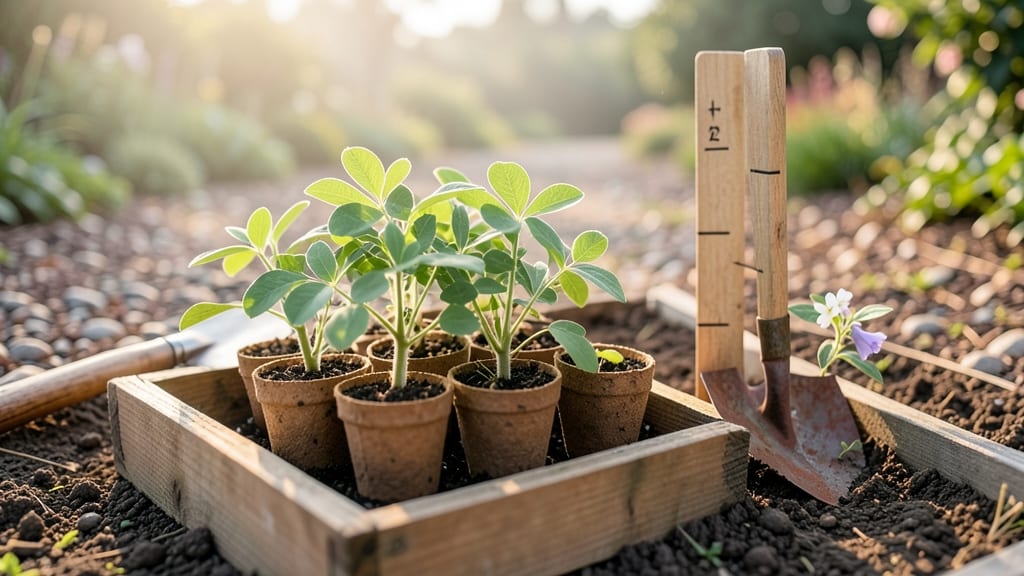
If you're dreaming of a homegrown peanut harvest in North Carolina, when do you plant peanuts in NC is the first question to answer—and getting it wrong could mean losing your entire crop.
Planting peanuts too early risks frost damage, while waiting too long cuts your harvest window short. The perfect balance depends on soil temperature, regional microclimates, and understanding your variety's maturity timeline.
North Carolina's warm climate makes it ideal for peanuts, but the 90-day harvest window starts with planting at the right moment. Most varieties need soil temperatures of at least 68°F for 4+ inches deep to germinate properly.
In the Coastal Plain, you might start as early as late April, while Piedmont growers often wait until early May to avoid late spring frosts.
I've helped countless NC gardeners nail their planting schedule by tracking soil temps and adjusting for local frost patterns. Whether you're growing early-maturing varieties or aiming for a fall harvest, knowing these triggers will help you avoid common mistakes and maximize your yield.
Let's break down exactly when to plant for your specific region.
Ready to transform your garden into a peanut powerhouse? The secret isn't just about the calendar—it's about understanding how your local climate interacts with your chosen varieties. With the right timing, you'll be enjoying homegrown peanuts in no time.
Optimal planting dates for NC peanuts based on soil temperature
Peanuts thrive in North Carolina’s warm climate, but getting the planting timing right is critical. Unlike many crops, peanuts need consistently warm soil temperatures—not just air temperatures—to germinate properly. Aim for 68°F or warmer at a depth of 4 inches for at least 10 days before planting.
This ensures strong root development and avoids the risk of rot or slow growth in cool soils.
In NC, this typically translates to planting between late April and early June, depending on your region. The Coastal Plain (Zones 8a–8b) often allows for earlier planting, while the Piedmont (Zones 7a–7b) may need to wait until early May to avoid late spring frosts.
Always check your local USDA Plant Hardiness Zone for precise guidance.
| Region | Soil Temp Trigger | Ideal Planting Window | Frost Risk |
|---|---|---|---|
| Coastal Plain (Zones 8a–8b) | 68°F+ at 4" depth | Late April–mid-May | Low (rare frost) |
| Piedmont (Zones 7a–7b) | 68°F+ at 4" depth | Early May–early June | Moderate (late frosts) |
| Mountains (Zones 6a–7a) | 70°F+ at 4" depth | Mid-May–late May | High (late frosts) |
To pinpoint your exact planting window, use a soil thermometer to monitor temperatures at the 4-inch depth. NC State Extension recommends waiting until the soil stays consistently warm for at least a week before sowing. This small investment in patience pays off with faster germination and healthier plants.
Peanuts are a summer crop in NC, meaning they need a 90-day growing season to mature. If you plant too late, your harvest may coincide with early fall frosts, which can damage pods before they’re ready.
For example, planting in early June in the Piedmont might push your harvest into late August or early September—just before frost risks increase.
Another key factor is your last frost date. In NC, the average last frost ranges from mid-March in the Coastal Plain to mid-April in the Mountains. Add 90 days to this date to determine your latest safe planting window.
For instance, if your last frost is April 15, your final planting date would be around July 15, but this is risky due to hurricane season and shorter daylight.
For home gardeners, I recommend sticking to the earlier planting window (April–May) to ensure a full harvest. If you’re growing peanuts commercially, you might experiment with succession planting in late May or early June for a second crop, but this requires careful monitoring of weather forecasts and soil conditions.
Pro tip: If you’re unsure about your local frost dates, check the NC State Climate Office or use the USDA Plant Hardiness Zone Map.
These tools provide data specific to your county, helping you avoid common mistakes like planting too early in cool soils or too late for a full harvest.
Finally, remember that peanuts need well-draining, sandy loam soil with a pH between 5.8 and 6.2. Test your soil in early spring to ensure it’s ready for planting. Amend with compost or aged manure if needed, and avoid fresh organic matter, which can cause damping-off disease in young seedlings.
Optimal planting dates for NC peanuts based on soil temperature
Peanuts thrive in North Carolina's warm climate, but the soil temperature is the single most critical factor for successful planting. Aim for 68°F or warmer at 4+ inches deep—this triggers germination and ensures strong root development.
In most of NC, this typically aligns with late April to early May, but your exact timing depends on your region's microclimate.
For Coastal Plain growers (Zones 8a-8b), you can often start planting as early as late April, thanks to the area's longer growing season and milder winters. Meanwhile, Piedmont gardeners (Zones 7a-7b) should wait until early to mid-May to avoid late spring frosts that can devastate young plants.
Here’s how to check your soil temperature: Use a soil thermometer to monitor conditions at the required depth. If temps dip below 68°F, wait—cool soils lead to poor germination and stunted growth. I always recommend planting when your morning soil temp consistently stays above 70°F for at least a week.
| NC Region | Ideal Planting Window | Soil Temp Trigger | Key Risk |
|---|---|---|---|
| Coastal Plain | Late April - Early May | 68°F+ for 4+ inches | Hurricane season delays |
| Piedmont | Early - Mid May | 70°F+ consistently | Late spring frosts |
| Mountains | Mid - Late May | 72°F+ minimum | Short growing season |
Don’t rely solely on the calendar—use the NC State Extension's frost-free date maps to calculate your local window. For example, in Raleigh, the average last frost date is April 15, but soil may not be ready until May 1.
I always add a 2-week buffer between frost dates and planting to account for temperature fluctuations.
Pro tip: If you’re in a transitional zone, consider using black plastic mulch to warm the soil faster. This can shave off 1-2 weeks of waiting time, giving you an earlier start. Just
Once your soil hits the right temperature, act fast—peanuts germinate quickly and need consistent moisture to establish. I’ve found that planting in the morning gives seeds the best chance to absorb water before the heat of the day sets in.