
Plants
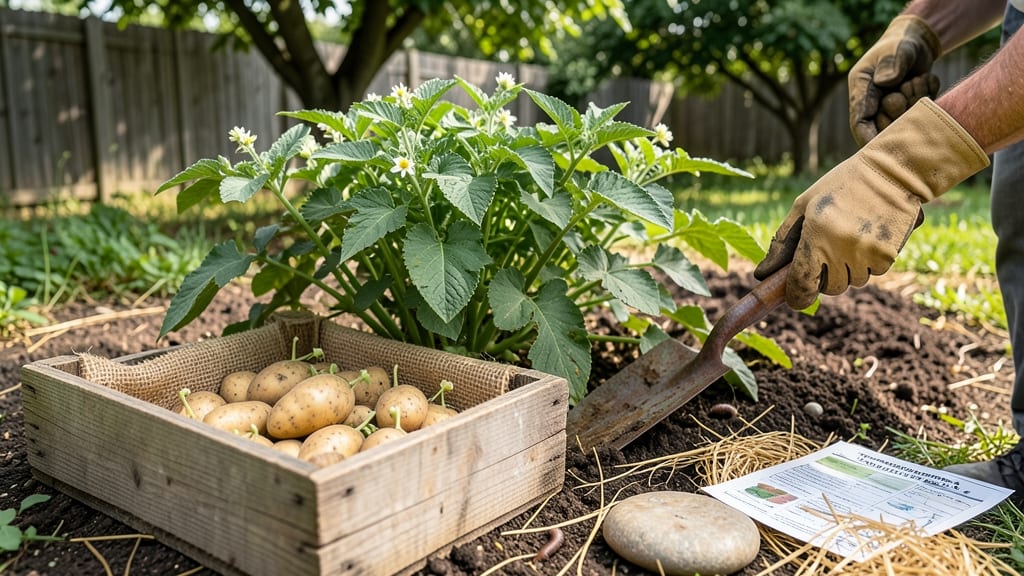
Planting potatoes in Zone 6 at the wrong time can turn your dream harvest into a soggy disappointment—because timing matters more than you think.
Whether you're a first-time gardener or a seasoned grower, getting the soil temperature and frost dates just right is the key to avoiding rot and maximizing yield.
I’ve learned the hard way that cold-soil starters like Yukon Gold need to go in when temperatures hover around 40-50°F, while heat-lovers like Red Pontiac thrive when the ground warms to 50-60°F.
Missing this window means your potatoes either sit in cold, damp soil and rot or struggle to establish roots before summer heat sets in.
In this guide, I’ll break down exactly when to plant for your Zone 6 climate—whether you’re aiming for early spring harvests or pushing your season into fall.
You’ll discover how to read your soil’s temperature cues, choose the right varieties for your timeline, and even extend your growing window with simple tricks.
No more guessing games—just a clear, step-by-step plan to turn your potato patch into a bountiful success. Let’s get those spuds in the ground the right way.

Zone 6 potato planting timeline: exact weeks for cold-soil vs warm-soil success
Getting your potatoes in the ground at the right time in Zone 6 is like hitting a moving target—too early and they rot in cold soil, too late and you miss peak harvests. The key lies in understanding soil temperature thresholds and matching them to your chosen potato varieties.
Most gardeners in Zone 6 plant between 2-4 weeks before the last frost, but the exact timing depends on whether you're growing cold-hardy or warm-soil types.
For cold-soil varieties like Yukon Gold or Kennebec, aim to plant when soil reaches 40-50°F—typically late March to early April in most of Zone 6. These varieties tolerate cooler conditions and can handle early planting without rotting.
Meanwhile, warm-soil types such as Red Pontiac or Fingerlings need soil at 50-60°F, which usually means waiting until mid-April to early May.
Here’s the critical Zone 6 planting window broken down by soil type and frost risk:
| Planting Type | Soil Temp | Zone 6 Planting Window | Last Frost Risk | Harvest Window |
|---|---|---|---|---|
| Cold-Soil Varieties | 40-50°F | Late March–Early April | Low (hardened tubers) | Mid-July–Early August |
| Warm-Soil Varieties | 50-60°F | Mid-April–Early May | Moderate (young plants) | Late August–September |
| Fall Planting (Late) | 50-60°F | Late June–Early July | High (early frost) | October (if protected) |
Pro tip: Use a soil thermometer to check temperatures—don’t guess! Planting too early in cold soil leads to rotten tubers, while waiting too long reduces your harvest window.
In Zone 6, most gardeners aim for 75-90 days to maturity, so calculate backward from your first frost date (typically October 15–November 1 in Zone 6).
Another strategy is succession planting. Plant cold-soil varieties first, then warm-soil types 2-3 weeks later. This stretches your harvest from July through September, giving you fresh potatoes all season. Just be sure to space your plantings 3-4 feet apart to avoid overcrowding and disease spread.
If you’re in northern Zone 6 (e.g., Chicago, Detroit), err on the side of later planting—soil warms more slowly. For southern Zone 6 (e.g., Atlanta, Nashville), you can plant 1-2 weeks earlier without risking frost damage. Always check your local USDA frost maps for precise dates.
One common mistake is planting seed potatoes too deep. In Zone 6’s cooler soils, aim for 4 inches deep—deeper planting delays sprouting in cold conditions. Use well-draining soil mixed with compost to prevent waterlogged tubers, which is especially critical in Zone 6’s humid summers.
Finally, don’t forget about fall planting! If you’re ambitious, you can plant a late crop in June or July for a fall harvest. Use black plastic mulch or row covers to extend the season and protect tender plants from early frosts.
Just be prepared to harvest before the ground freezes.
Timing your potato planting in Zone 6 is all about balancing soil temperature, frost risk, and variety needs. With the right approach, you’ll enjoy a bountiful harvest—not a sad, shriveled mess! 🥔
Zone 6 potato planting timeline: exact weeks for cold-soil vs warm-soil success
Zone 6 gardeners face a tricky balance: plant potatoes too early, and frost will rot your tubers; wait too long, and you’ll miss peak harvest season. The key? Understanding soil temperature thresholds and matching them to your potato variety.
Most Zone 6 gardeners aim for 2-4 weeks after the last frost, but cold-hardy types like Yukon Gold can handle planting when soil hits 40-50°F, while warm-loving Red Pontiac needs 50-60°F to thrive.
Your local last frost date (typically late April to early May in Zone 6) sets the stage, but soil warms slower than air. Use a soil thermometer—planting when soil consistently stays above 45°F for cold varieties or 55°F for warm ones ensures roots establish without stress.
Pro tip: Black plastic mulch can warm soil by 5-10°F, letting you plant earlier.
| Planting Window | Soil Temp Threshold | Best Varieties | Days to Harvest | Zone 6 Risk |
|---|---|---|---|---|
| Early Spring (Cold-Soil) | 40-50°F | Yukon Gold, Kennebec, Purple Viking | 90-120 days | Frost damage if planted too soon |
| Late Spring (Warm-Soil) | 50-60°F | Red Pontiac, Fingerlings, Russian Banana | 70-90 days | Blight risk if planted late |
| Fall (Succession) | 50-55°F | Early Girl, Irish Cobbler | 60-80 days | Early frost if planted after Aug |
*Use row covers to extend cold-soil windows by 2-3 weeks
For Zone 6 gardeners, early April plantings (under row covers) can yield tubers by June, while late May plantings harvest in late summer. The 4-6 week window between soil warming and peak summer heat is your sweet spot.
Miss it, and you’ll either deal with frost-heaved tubers or scalded potatoes from baking in hot soil.
Don’t overlook succession planting: In Zone 6, you can squeeze in 2-3 harvests by planting every 2-3 weeks from April to July. Start with early maturing varieties (60-70 days), then shift to medium (70-90 days) and late (90+ days) as summer progresses.
This strategy keeps your kitchen stocked and reduces blight pressure.
Watch for soil moisture during planting—dry soil slows germination. Water 1 inch per week once sprouts emerge, and avoid wetting foliage to prevent late blight. In Zone 6, June is critical: this is when many gardeners see either peak yields or failed crops due to timing mistakes.
Mark your calendar for late August, when Zone 6’s first frost looms. If you’ve got late-maturing varieties still in the ground, use straw mulch or row covers to buy 2-4 extra weeks.
The goal? Harvest before soil temps drop below 50°F, or your potatoes will turn mealy and bitter.