
Plants
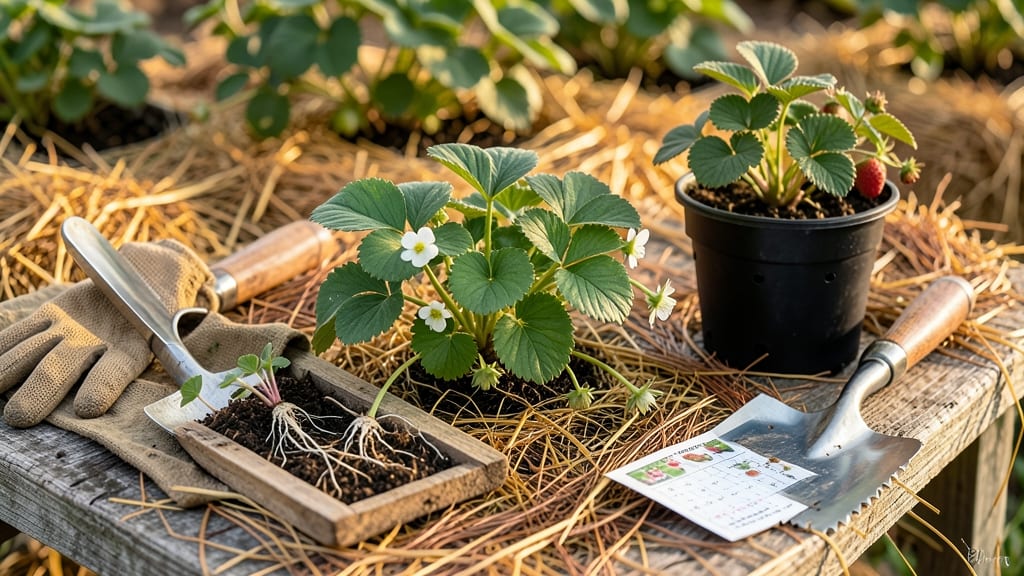
Timing your strawberry planting in Arkansas isn't just about the calendar—it's about beating the humid heat and unpredictable frost dates that can turn your 🍓 dreams into a bolting disaster.
Get it wrong, and you’ll either freeze your plants or watch them flower too early, leaving you with bitter berries instead of sweet harvests.
Here’s the secret: Arkansas gardeners in Zone 7a-8b have two golden windows—early spring (February–March) and late summer (July–August)—but the devil’s in the details. Plant too early, and frost will nip your progress. Too late, and your strawberries might bolt before they bear fruit.
I’ll break down the exact deadlines for your microclimate, so you can avoid these common mistakes and set your plants up for a juicy reward.
Beyond dates, soil temperature and variety choice make all the difference. Arkansas’ sticky summers demand the right disease-resistant varieties, while cooler spring mornings need careful mulching to protect tender roots.
Whether you’re a first-time gardener or a seasoned pro, these zone-specific tips will help you time your planting like a local—and skip the trial-and-error that leads to wasted effort.
Ready to transform your garden into a strawberry powerhouse? Let’s dive into the precise planting schedule, soil prep secrets, and variety recommendations that’ll have you harvesting plump, sweet berries from May through October—no guesswork required.
Arkansas strawberry planting calendar: exact dates by Zone 7a microclimates
In Arkansas' Zone 7a, strawberry planting timing makes all the difference between a bountiful harvest and premature bolting. The state's humid climate and variable microclimates mean you can't use a one-size-fits-all approach. Let's break down the optimal planting windows based on Arkansas' specific conditions.
Most Arkansas gardeners focus on two planting windows: early spring and late summer. Spring planting gives you a May-June harvest, while summer planting delivers fall berries in September-October. The key is understanding your local microclimate and adjusting these windows accordingly.
For Zone 7a, which covers most of Arkansas, your last average frost date falls around March 15. This means your ideal spring planting window opens about 4-6 weeks before that date. That translates to mid-February to early March for most of the state.
However, Arkansas' humid subtropical climate creates microclimates where some areas may experience earlier last frosts (like the Ozark Mountains) or later frosts (like the Delta region). Always check your local frost-free date and adjust accordingly.
The late summer planting window (July-August) is often overlooked but crucial for Arkansas gardeners. This method gives you a fall harvest when spring berries are already finished. The key is planting 6-8 weeks before your first frost, typically around early August for most of the state.
For June-bearing varieties (most common in Arkansas), timing is critical. Planting too early in spring can lead to frost damage to emerging plants, while planting too late may result in smaller berries or no harvest that season.
The 4-6 week window before last frost gives plants enough time to establish roots before active growth begins.
Arkansas' humidity levels (often 70-80%) mean you'll also need to consider soil temperature. Strawberries won't thrive in soil below 40°F. In northern Arkansas, this might mean waiting until late February or March when soil warms sufficiently, while southern regions can plant 2-3 weeks earlier.
Pro tip: Use a soil thermometer to check temperatures. For spring planting, aim for consistent 40°F+ soil temps for at least a week before planting. For summer planting, wait until daytime temps start cooling below 90°F to reduce stress on newly planted berries.
Remember that Arkansas' variable rainfall patterns can also affect planting. If you're planting in dry conditions, consider using drip irrigation to establish your plants before relying on natural rainfall. The first 2-3 weeks after planting are critical for root establishment.
For gardeners in Zone 8b (southern Arkansas), you can extend your planting windows slightly. The last frost date is typically around April 1, giving you a later spring window (March-April) and a longer fall harvest that may extend into November.
How to avoid common strawberry planting mistakes in Arkansas
Planting strawberries in Arkansas is a delicate balance—one wrong move, and your 🍓 plants will either freeze, bolt prematurely, or succumb to fungal diseases. The most common mistake? Ignoring soil temperature.
Strawberries won’t thrive if the ground is below 40°F, causing roots to struggle and plants to bolt (flower) too early. I’ve seen gardeners rush planting in January only to watch their berries turn bitter from heat stress by May.
Another critical error is overlooking mulch timing. Arkansas’ humid summers mean mulch isn’t just for weeds—it’s a fungus barrier. Apply mulch after the soil warms to 50°F, but before the first harvest. Too early, and you’ll trap moisture, inviting rot.
Too late, and your berries will sit on damp leaves, turning moldy. I learned this the hard way when my June harvest shrank to half due to gray mold.
Here’s the