
Plants
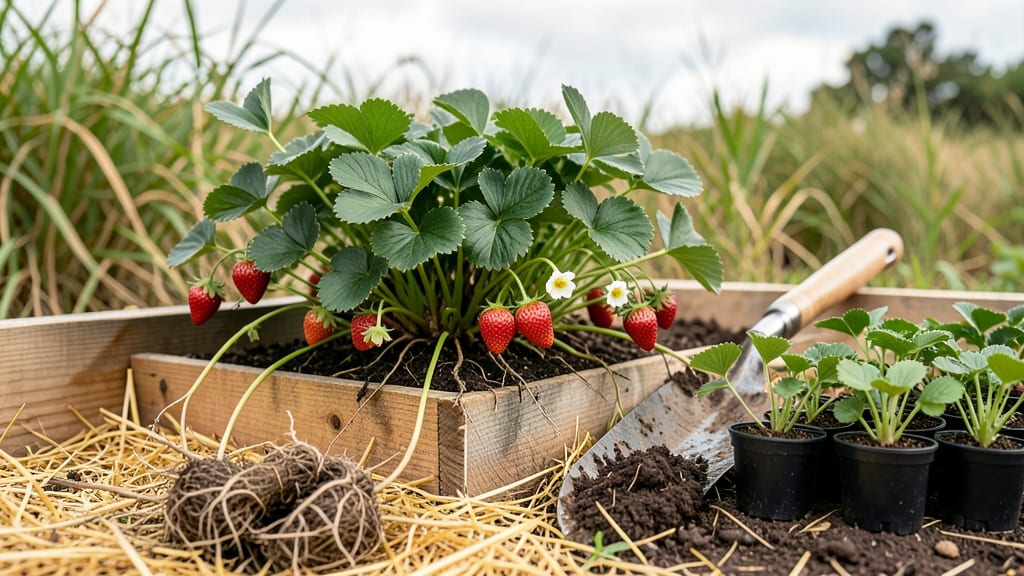
Planting strawberries 🍓 in Louisiana isn’t just about grabbing plants at the store—it’s about timing them perfectly to beat the heat and humidity. The wrong window, and your berries might bolt before you even taste them, while the right schedule unlocks sweet, abundant harvests year-round.
Here’s the secret: Louisiana’s 8a-9b zones offer two prime planting opportunities—early spring (February-March) for summer-bearing varieties and late summer (August-September) for fall harvests. But with 240 frost-free days and unpredictable weather, getting it right means avoiding common pitfalls like fungal diseases or wasted effort.
I’ll break down exactly when to plant each type—whether you’re growing June-bearing, everbearing, or day-neutral varieties—and how to adjust for your specific microclimate. No more guesswork, just juicy, homegrown strawberries that outshine store-bought.
Ready to transform your garden? Let’s dive into the best months, soil prep tips, and even how to extend your harvest season with simple tricks. Your boldest strawberry yields yet start here.
Best planting months for Louisiana strawberries by variety type
Louisiana’s USDA Zones 8a-9b create a unique window for strawberry planting, but not all varieties thrive in the same schedule. June-bearing types need cool winter planting for spring harvests, while everbearing and day-neutral varieties offer more flexibility.
Let’s break down the best months for each type to align with Louisiana’s humid heat and unpredictable frost dates.
The key is planting when soil temps hit 60°F+ for 10+ days—this triggers root growth without heat stress.
For most of Louisiana, that’s February-March for spring harvests or August-September for fall/winter production. Coastal areas (Zone 9a) can plant slightly later due to milder winters, while northern parishes (Zone 8a) should plant earlier to avoid late frosts.
Here’s how to match your strawberry variety to Louisiana’s planting calendar:
| Variety Type | Ideal Planting Window | Harvest Season | Louisiana Notes |
|---|---|---|---|
| June-Bearing | Late February–March | March–May | Best for cool-season harvests. Plant 6–8 weeks before last frost (typically by February 15). Varieties like 'Chandler' or 'Camarosa' thrive here. |
| Everbearing | February–March OR August–September | Spring + Fall (small summer crop) | Produces two harvests/year. Spring planting for summer fruit; fall planting for winter harvests. 'Seascape' is a top pick for Louisiana’s heat. |
| Day-Neutral | March–April OR August | Continuous (smaller yields) | Fruits regardless of daylight. Ideal for container gardens or urban plots. 'Albion' handles Louisiana’s humidity well. |
For Zone 9a gardeners (e.g., New Orleans, Lafayette), you can push June-bearing planting to early March and still avoid frost.
Meanwhile, Zone 8a areas (e.g., Shreveport, Monroe) should plant June-bearers by mid-February to ensure roots establish before potential late frosts. Everbearing varieties like 'Oso Grande' are your best bet for year-round production in Louisiana’s heat.
Pro tip: Use black plastic mulch in summer plantings to warm soil faster and suppress weeds. This is especially helpful in August–September when humidity spikes. Pair it with drip irrigation to avoid fungal issues from overhead watering.
If you’re in coastal Louisiana (Zone 9a), consider fall planting for winter harvests—the mild winters let you enjoy berries through December. Just avoid planting after October 15, or new growth may not harden off before cold snaps.
For container growers, Louisiana’s heat means you can plant everbearing varieties in pots by March 1 and move them to shaded patios by June to extend the season. Just ensure pots have drainage holes and use lightweight potting mix to prevent root rot in our humid summers.
Remember: Soil temperature matters more than air temperature. Use a soil thermometer to confirm 60°F+ before planting—cold soil stunts root growth. In Louisiana’s clay-heavy soils, amend with compost or peat moss to improve drainage and warmth retention.
🌱
Critical factors that determine your Louisiana strawberry planting schedule
Louisiana’s humid subtropical climate throws curveballs at strawberry growers—unpredictable spring rains, scorching summer heat, and clay-heavy soils that retain too much moisture. These factors force you to adjust your planting timeline beyond just the calendar.
The key is understanding soil temperature, microclimates, and how Louisiana’s USDA Zones 8a-9b create unique growing windows for strawberries.
For example, coastal areas like New Orleans (Zone 8b) have milder winters, allowing January plantings of everbearing varieties, while inland Shreveport (Zone 8a) may need to wait until mid-February to avoid frost damage.
Even within the same city, a north-facing garden might need shade cloth in summer, while a south-facing bed can handle direct sun year-round.
Your soil temperature is the real game-changer. Strawberry roots need 60°F+ for 10+ days to establish before planting. In Louisiana, this typically means late February for spring plantings or late August for fall plantings.
Use a soil thermometer—don’t guess! Planting too early in cold soil leads to root rot, while waiting too long risks heat stress in summer.
🌱 3 Critical Factors for Louisiana Strawberry Planting
- Soil Temp: Wait for 60°F+ for 10+ days (use thermometer!).
- Microclimate: Coastal areas plant 2-3 weeks earlier than inland.
- Variety Type: June-bearing needs cold dormancy; day-neutral thrives in warm winters.
Louisiana’s unpredictable spring rains can drown seedlings if planted too early. Aim for dry soil conditions before planting—test by squeezing a handful of soil. If it holds a shape like clay, wait.
For container growing (ideal for urban gardeners), use well-draining mixes with perlite and plant in black pots to absorb heat faster in cooler months.
Don’t overlook shade cloth for summer plantings. Even heat-tolerant varieties like ‘Camarosa’ struggle under 95°F+ without protection. Install 30-50% shade cloth over new plantings in June-August to prevent sunscald on leaves. Remove it by mid-September to allow sunlight for fall fruiting.
Finally, mulching isn’t optional—it’s survival. Use 4-6 inches of organic mulch (straw, pine straw, or wood chips) to: 1. Regulate soil temperature (keeps roots cool in summer, warm in winter).
- Suppress weeds that compete for nutrients.
- Retain moisture during Louisiana’s dry spells. Reapply mulch every 2-3 months to maintain effectiveness.