
Plants
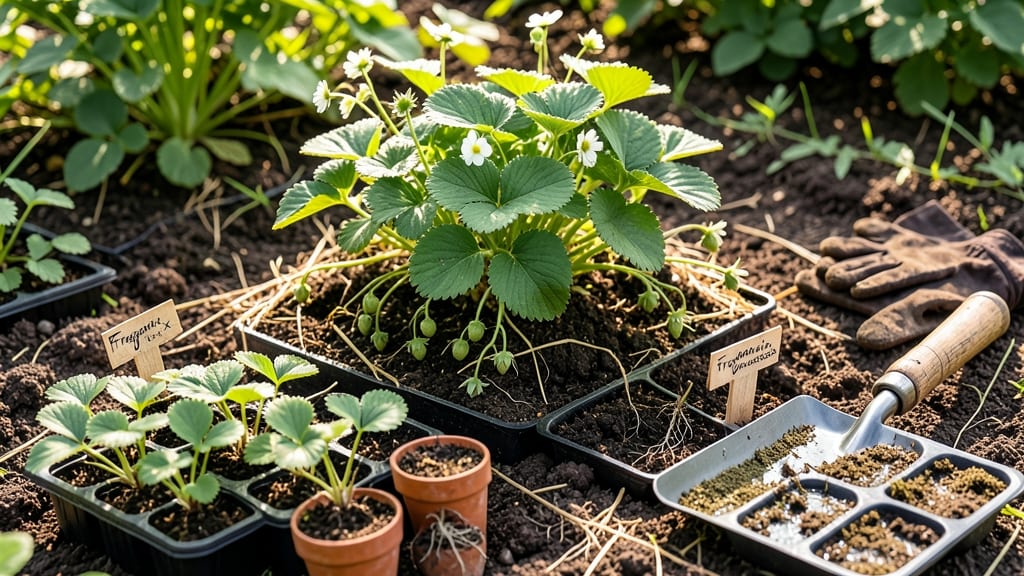
Timing your strawberry planting in Pennsylvania can make the difference between a bountiful harvest and wasted effort. If you plant too early, those sweet 🍓 berries might never form—thanks to the risk of bolting, where plants flower prematurely.
But get the schedule right, and you’ll enjoy juicy, homegrown strawberries all season long.
Pennsylvania’s climate zones 5b-7a mean your neighbors might be planting at different times than you. The key is understanding when the soil warms enough to support root growth while avoiding late frosts that can damage tender plants.
Whether you’re a first-time gardener or a seasoned pro, knowing the best months—March-April for spring or September-October for fall—is critical.
I’ll walk you through the exact planting windows for your zone, plus tips to adjust for Pennsylvania’s unpredictable weather. You’ll learn how to prepare your soil, choose the right varieties, and even grow strawberries in containers if space is tight.
Let’s get those plants in the ground at the perfect time for maximum flavor and yield.
Ready to turn your garden into a strawberry paradise? The right timing isn’t just about when to plant—it’s about setting yourself up for success from day one. Let’s dive into the details so you can enjoy that first ripe berry of the season with confidence.
Pennsylvania strawberry planting dates by hardiness zone (avoid bolt risk)
Pennsylvania spans USDA zones 5b through 7a, meaning your strawberry planting window shifts depending on where you live. In northern PA (zones 5b-6a), you’ll want to plant 4-6 weeks before your last frost date—typically late March to early April.
Meanwhile, southern PA (zones 6b-7a) gardeners can start as early as mid-February for a head start on the season.
Fall planting is another great option in PA, especially for everbearing varieties. Aim to plant 6-8 weeks before your first frost—usually mid-September to early October. This timing lets roots establish before winter while avoiding the risk of premature bolting that can happen with late-spring plantings.
Bare-root plants need special attention: soak roots in lukewarm water for 30 minutes before planting to reduce transplant shock. For potted strawberries, you can plant slightly later, as the soil retains warmth longer. Just be sure your soil temperature stays above 40°F for optimal root growth.
Here’s the key: Plant too early and your strawberries bolt (flower) before developing strong roots. Plant too late and they struggle with winter survival. The sweet spot? Cool soil but frost-free ground—that’s where PA’s zone-specific timing comes in.
🍓 Pennsylvania Strawberry Planting Guide by Zone
| Zone | Spring Planting Window | Fall Planting Window | Key Consideration |
|---|---|---|---|
| 5b (Erie, NW PA) | Late March - Early April | Mid-September - Early October | Wait for soil to warm to 45°F+ |
| 6a (State College, Central PA) | Mid-March - Late April | Late August - Mid-September | Use mulch to protect roots |
| 6b (Harrisburg, SE PA) | Early March - Mid-April | Early September - Late September | Choose everbearing for extended harvest |
| 7a (Philadelphia, SW PA) | Mid-February - Early April | Late August - Early October | Watch for heat waves after planting |
*Last frost dates vary by microclimate—check Penn State Extension for local data.
For container gardening, you’ve got more flexibility. Containers warm up faster in spring, so you can plant 2-3 weeks earlier than in-ground beds. Just ensure your pots have drainage holes and use a lightweight potting mix to prevent root rot.
Black containers absorb heat faster—ideal for extending the season in cooler zones.
Pro tip: If you’re in zone 6a or warmer, try a two-harvest strategy. Plant June-bearing varieties in early spring for a summer crop, then add everbearing types in late summer for a fall harvest. This doubles your yield without extra space!
One common mistake? Planting too close to winter. If you miss the fall window, wait until spring—just be ready to protect plants with row covers if late frosts hit. The goal is always 6-8 weeks of root establishment before winter dormancy begins.
Finally, don’t overlook soil preparation. Strawberries thrive in slightly acidic soil (pH 5.5-6.8). Mix in 2-3 inches of compost before planting, and top with straw mulch to retain moisture and suppress weeds. This prep work pays off with healthier plants and bigger berries.
With these zone-specific dates, you’ll avoid the dreaded bolt risk and enjoy sweet, abundant strawberries all season long. Happy planting! 🌱🍓
How to time strawberry planting for Pennsylvania’s microclimates (cold snaps & heat waves)
Pennsylvania’s microclimates can throw off even the best-laid planting plans. A late April frost in the Poconos might wipe out your June-bearing strawberries if planted too early, while a September heatwave in Pittsburgh could stress fall-planted varieties.
The key is adjusting your schedule based on local weather patterns, not just your USDA zone.
Start by checking your last frost date—most of Pennsylvania averages around April 15, but mountain regions (like Zone 5b) can see frost until May 1.
For spring planting, wait until soil temperatures reach 45°F (7°C) at a depth of 4 inches. Use a soil thermometer ($10 at garden centers) to avoid guessing.
Fall planting is trickier. Aim for 6-8 weeks before your first frost (typically September 15-October 1), but watch for unseasonable warmth. If temperatures stay above 70°F (21°C) after planting, your strawberries may bolt prematurely.
In Zone 7a areas (like Philadelphia), consider late-September planting to avoid summer heat stress.
🚨 CRITICAL: Pennsylvania’s valley vs. ridge differences matter. Strawberries in Allegheny Valley (warmer) may handle late-March planting, while Lackawanna County (cooler) should wait until mid-April. Check Penn State Extension’s frost maps for your county.
⚠️ Watch for These Pennsylvania-Specific Risks
- False springs: Don’t plant until 3 consecutive days above 40°F (4°C)—late frosts are common in April.
- Heat waves: Avoid planting when highs exceed 85°F (29°C)—roots struggle to establish.
- Wet springs: Soil too soggy? Wait until it’s crumbly (not sticky) to plant.
Pro tip: Use black plastic mulch in spring to warm soil faster and deter weeds.
For container gardening, timing is even more critical. Containers warm up faster than ground soil, so plant 2-3 weeks earlier than in-ground plants. Place pots in full sun and use dark-colored containers to absorb heat.
In Zone 6a (central PA), this might mean late March for containers vs. mid-April for in-ground.
Don’t forget to monitor humidity levels. Pennsylvania’s summer humidity can promote fungal diseases like gray mold. If planting in June or July (for everbearing varieties), choose well-draining soil and space plants 18 inches apart for airflow. A drip irrigation system keeps foliage dry and reduces disease risk.
Finally, keep a planting journal for 2-3 years to refine your schedule. Note when you planted, local frost dates, and any bolting issues. Share your data with local gardening groups—Pennsylvania’s climate is changing, and your insights could help neighbors