
Plants
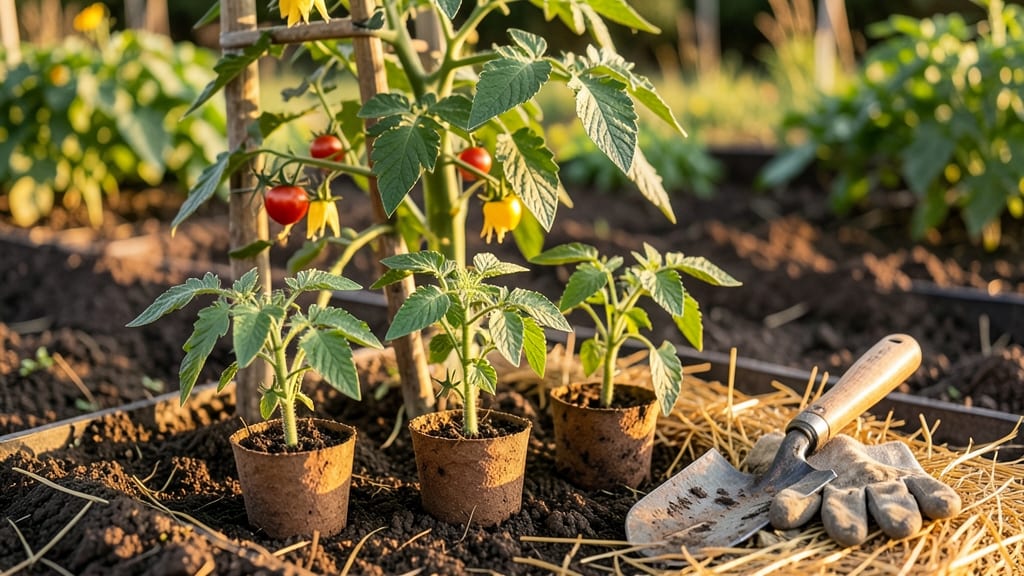
North Carolina tomato planting dates by hardiness zone (avoid bolting with science)
North Carolina spans USDA zones 5b through 8b, meaning your last frost date can vary from late March in the mountains to mid-April in coastal areas. This variation means your tomato planting window shifts dramatically—get it wrong, and you risk frost damage or wasted time.
The key? Planting when soil hits 60°F and all frost danger has passed.
Most gardeners in NC plant transplants (not seeds) after April 15, but this isn’t a one-size-fits-all rule. Mountain regions (zones 5-6) should wait until May 1-15, while coastal zones (7-8) can start as early as April 1.
The goal? Avoid early-season bolting (when plants flower prematurely due to cold stress) and ensure maximum fruiting time before fall frosts.
| Zone | Last Frost Date | Best Planting Window | Soil Temp Threshold | Notes |
|---|---|---|---|---|
| 5b (Mountains) | Late April | May 1-15 | 60°F+ | Use cool-season varieties (e.g., 'Stupice'). |
| 6a (Foothills) | Early April | April 15-May 1 | 60°F+ | Start indoor seeds March 1-15. |
| 7a (Piedmont) | Mid-March | April 1-15 | 55°F+ (earlier for heat-lovers) | Ideal for heirlooms like 'Brandywine'. |
| 8a (Coastal) | Mid-February | March 15-April 1 | 50°F+ (with protection) | Try early varieties like 'Celebrity'. |
For zone 7a-8a (most of NC), aim to transplant seedlings 2-3 weeks after your last frost date. Use a frost calendar (like the NC State Extension’s) to pinpoint your exact window.
Pro tip: If you’re in zone 6a or cooler, opt for determinate varieties (bush types) that ripen faster and handle cooler temps better.
Timing isn’t just about frost—it’s also about heat tolerance. Planting too late in zone 8a can lead to blossom drop from summer heat. Balance is key: April-May is ideal for most NC gardeners, but adjust based on your microclimate.
Urban areas may experience heat islands, so monitor soil temps closely.
If you’re starting seeds indoors, begin 6-8 weeks before your last frost date. For NC, that’s typically March 1-15 for most zones. Use grow lights to prevent leggy seedlings, and harden them off 1-2 weeks before transplanting. Seedlings need 12+ hours of light daily to stay robust.
For container growing, follow the same timing but use 5-gallon pots minimum—smaller containers stunt root growth. Place pots in full sun (6+ hours) and water deeply every 2-3 days during dry spells. Containers warm up faster than soil, so you can plant 1-2 weeks earlier than in-ground tomatoes.
Watch for late-season frosts, which can sneak in as late as May 10 in higher elevations. Use frost cloth or row covers for the first 2 weeks after transplanting to protect young plants. Remove covers during the day to avoid heat stress—just secure them at dusk.
Remember: Soil temperature matters more than air temperature. Use a soil thermometer to confirm 60°F before planting. Cold soil slows germination and root growth, leading to weak, bolt-prone plants. If your soil is still chilly, use black plastic mulch to warm it up 2-3 weeks faster.
For a second harvest, try fall planting in zones 7-8. Sow seeds August 1-15 for varieties like 'Solar Fire' or 'Heatmaster'—these tolerate heat and produce until first frost.
Use drip irrigation to keep soil moist during NC’s hot, dry summers, which can cause cracked fruit if watering is inconsistent.
The frost-date hack: how to extend your tomato season without greenhouses
North Carolina’s last frost dates can vary by 1-2 weeks depending on elevation and microclimates, but the average March 15 cutoff often leaves gardeners racing to plant tomatoes. The good news?
With a few frost-date hacks, you can safely push your planting window 2-4 weeks earlier—giving your plants a head start and maximizing your harvest before summer heat sets in.
My favorite trick is using floating row covers (lightweight fabric that lets sunlight and water through but blocks frost). These can protect seedlings from 28°F temperatures—the threshold where tomato damage begins.
Pair them with black plastic mulch to warm the soil faster, and you’ve effectively created a low-cost greenhouse effect without the hassle.
Another game-changer? Cold frames or mini hoop tunnels made from PVC pipes and row covers. These trap heat during the day and insulate at night, letting you plant transplants 2-3 weeks before the official last frost date.
I’ve seen gardeners in Zone 7a start tomatoes in early April using this method—well before the April 15 standard window.
🌱 Extend Your Tomato Season with These Hacks
- 1. Floating Row Covers: Protect seedlings from 28°F frosts; remove when flowers appear to prevent overheating.
- 2. Black Plastic Mulch: Warms soil 5-10°F faster than bare ground—ideal for early starts.
- 3. Cold Frames: Add 10-15°F of protection; plant transplants 3 weeks early in Zone 7a.
- 4. Soil Warming Tricks: Bury a black trash bag filled with water near seedlings to absorb heat during the day.
- 5. Companion Planting: Surround tomatoes with basil or marigolds to repel pests and improve growth.
Early Growth
Extra Time
For gardeners in Zone 8a or higher, where frosts are rare, focus on soil warming instead. Burying a black trash bag filled with water near your tomato plants acts like a solar oven, raising soil temps by 5-10°F within days.
This trick is especially useful if you’re planting heat-sensitive varieties like 'Celebrity' or 'Better Boy'—they thrive when soil hits 60°F+ consistently.
Don’t overlook companion planting as a frost-buffering strategy. Basil, for example, not only deters pests but also speeds up tomato ripening by up to 10 days. Marigolds, with their drought-tolerant roots, improve soil structure and reduce stress on young plants during temperature swings.
Even onion sets planted nearby can deter early blight, giving your tomatoes a healthier start.
Remember: The key to these hacks is monitoring. Use a soil thermometer to track temps—tomatoes won’t thrive until the soil hits 60°F. If nighttime temps dip below 50°F, cover your plants with lightweight blankets (like old towels) for an extra layer of protection.
With these methods, you can turn North Carolina’s unpredictable spring into a tomato-growing powerhouse.