
Plants
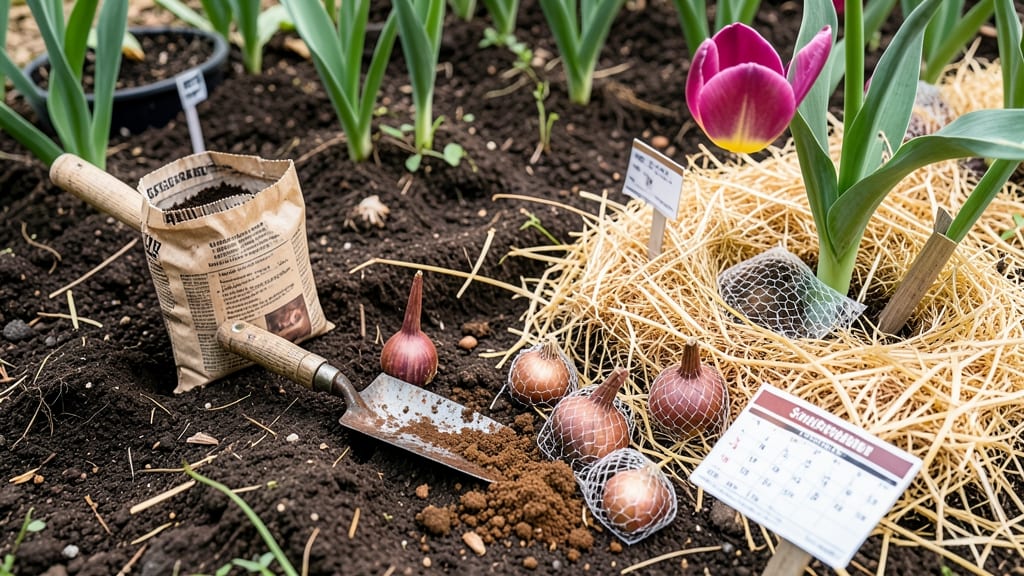
Planting tulip bulbs at the wrong time in Michigan can mean the difference between a show-stopping spring garden and wasted effort. The ideal window—October through November—aligns with Michigan’s chill-hour needs and frost dates, but getting it just right requires understanding your specific zone (5b-6b) and soil conditions.
Most gardeners assume "fall planting" is a one-size-fits-all approach, but Michigan’s climate demands precision. Too early, and bulbs rot; too late, and they won’t establish roots before winter.
I’ll break down the exact timing based on your region, plus how to prep soil and protect your investment from Michigan’s unpredictable freezes.
You’ll also discover which tulip varieties thrive best in your area—some need more chill hours than others—and how a little mulch can save your bulbs from heaving out of frozen ground. Let’s make sure your 🌷 tulips get the perfect start for next spring’s blooms.
Ready to plant with confidence? I’ll walk you through the step-by-step process, including when to stop watering and how to spot signs of success (or trouble) before the snow flies.
Michigan’s ideal tulip planting window: chill-hours and frost dates explained
Michigan’s USDA zones 5b-6b create a unique challenge for tulip growers—too early, and bulbs rot; too late, and they fail to establish roots before winter. The key? Chill-hours (3,200–4,800) and frost dates that vary by region.
Most Michigan gardeners should aim to plant between October 1 and November 15, but northern Michigan (zone 5b) has a tighter window than southern (zone 6b).
Tulips need 6-8 weeks to root before the ground freezes. In Detroit (zone 6b), average first frost hits October 15, leaving a 6-week window ending around November 25.
Up north in Traverse City (zone 5b), the first frost arrives October 1, cutting the window to just 5 weeks by November 10. Plant too late, and bulbs won’t root deeply enough to survive winter.
Use soil temperature as your guide: Tulip bulbs should go into 40–50°F soil. In Michigan, this typically aligns with late September to early October, but check local forecasts—early Indian summer warmth can delay planting. If soil stays above 50°F for weeks, bulbs may sprout prematurely and rot.
| Region | USDA Zone | First Frost | Planting Window | Soil Temp Goal |
|---|---|---|---|---|
| Northern MI (Marquette) | 5b | Oct 1 | Sept 25–Nov 5 | 40–50°F |
| Central MI (Lansing) | 6a | Oct 10 | Oct 1–Nov 15 | 40–50°F |
| Southern MI (Detroit) | 6b | Oct 15 | Oct 1–Nov 25 | 40–50°F |
*Adjust for early/late frost years—check local almanacs.
Don’t stress about exact dates—focus on soil conditions. If you plant in September, cover bulbs with straw mulch to prevent premature sprouting. Conversely, if you wait until December, bulbs may not root before winter. A 6-week buffer ensures success even if frost arrives early.
Pro tip: Use a soil thermometer to confirm 40–50°F soil temps. If temps drop below 32°F at night, bulbs are safe—just make sure they’re 6–8 inches deep. In northern Michigan, prioritize early planting (by October 1) to avoid missed windows due to early frost.
Michigan’s chill-hours (cold winter temps) are perfect for tulips, but timing matters. Most varieties need 3,200–4,800 chill-hours, which Michigan easily provides. However, late planting (after November 15) risks bulbs sitting in warm soil too long, leading to rot or weak growth.
Aim for cool, damp soil—ideal for root development.
For container gardening, plant bulbs in pots by October 15 (southern MI) or October 1 (northern MI). Use a well-draining mix and keep pots in a shady spot until spring. Containers warm up faster, so monitor soil temps closely—50°F is the cutoff for safe planting.
Remember: Tulips are hardy but timing-sensitive. In Michigan, the 6-week window between October 1 and November 15 is your best bet for reliable blooms next spring. Mark your calendar, check soil temps, and plant when conditions are ideal—your spring garden will thank you! 🌷
How to match tulip varieties to Michigan’s climate for best blooms
Not all tulips thrive equally in Michigan’s cold winters. The key to reliable blooms lies in matching chill-hour requirements (3,200–4,800 hours) with your USDA Zone 5b–6b location. Early bloomers like Darwin Hybrids need fewer chill hours, while late-season varieties like Parrot Tulips demand more.
For Michigan’s northern regions (Zone 5b), focus on hardy varieties like ‘Queen of Night’ or ‘Ice Follies’, which handle harsh winters and still deliver stunning blooms. Southern Michigan (Zone 6b) gardeners can experiment with fringed tulips or Kaufmanniana for unique color and resilience.
Here’s how to align your choices with Michigan’s climate for peak performance:
| Variety | Chill Hours Needed | Bloom Time | Michigan Suitability |
|---|---|---|---|
| Darwin Hybrids | 3,200–4,000 | Mid-April to May | Excellent (Zone 5b–6b) |
| Parrot Tulips | 4,000–4,800 | Late April to May | Good (Zone 6b preferred) |
| Kaufmanniana | 3,500–4,500 | Early April | Best for northern Michigan |
| Fringed Tulips | 4,200–4,800 | Late April | Zone 6b only |
Avoid tropical varieties like species tulips, which require minimal chill hours and often fail to rebloom in Michigan’s climate. Instead, prioritize hybrid tulips bred for cold hardiness—these deliver consistent blooms year after year with proper care.
Pro tip: Plant early (October) for varieties needing maximum chill hours, like Parrot Tulips, to ensure they meet their requirements before winter sets in. For northern Michigan, extend the planting window into early November if soil temps stay above 40°F.
Once planted, mulch heavily (4–6 inches) to protect bulbs from temperature fluctuations and prevent early thaw damage. This simple step boosts survival rates and ensures your tulips wake up ready to bloom in spring.