
Plants
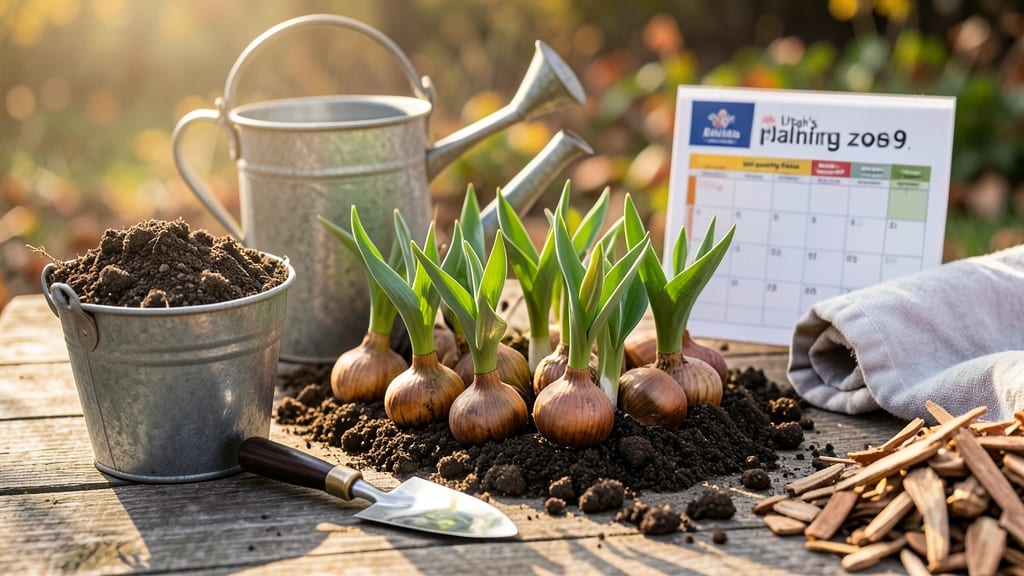
Timing when to plant bulbs in Utah just right in the state’s tricky climate can mean the difference between a garden bursting with color and a missed opportunity.
With frost dates shifting by elevation and desert regions playing by their own rules, getting the window wrong is easy—but the payoff for nailing it is worth every effort.
Most gardeners know fall is the prime time to plant tulips, daffodils, and crocuses, but Utah’s 5b-7a zones demand a more strategic approach.
Whether you’re in the Wasatch Front’s cooler microclimates or the high desert’s warmer pockets, understanding when to tuck those bulbs into the soil is the key to spring blooms that steal the show.
I’ve tested the best planting windows across Utah’s diverse landscapes, and what I’m about to share will help you avoid common mistakes—like planting too early and risking frost damage or waiting too long and missing the sweet spot for root growth.
Let’s break down the exact months and tricks to make your bulbs thrive, no matter where you garden.
From mulching hacks to choosing the hardiest varieties for your zone, you’ll discover how to extend your planting window and ensure those 🌷 bulbs wake up ready to bloom. Ready to turn your Utah garden into a springtime spectacle? Let’s get started.
Utah’s planting zones & ideal months for bulbs by altitude
Utah’s diverse elevations—from the Wasatch Front’s 4,200 feet to the high desert’s 7,000+ feet—create unique challenges for bulb planting. The state spans USDA Zones 5b-8a, meaning frost dates vary wildly.
In Zone 5b (northern Utah), first frosts hit by mid-October, while Zone 7a (southern Utah) may see frost as late as mid-November. Timing your bulbs right means accounting for these shifts.
Most spring-flowering bulbs—like tulips, daffodils, and crocuses—need to be planted in fall (September-October) to establish roots before winter. However, Utah’s high-altitude zones (6,000+ feet) often experience earlier frosts, shrinking your planting window.
For example, in Salt Lake City (Zone 6a), aim for mid-September to early October, while Moab (Zone 7a) gardeners can plant until late October.
Here’s how to match your elevation to the perfect planting month:
| Elevation Zone | USDA Zone | Ideal Planting Month | Last Frost Date | Best Bulb Varieties |
|---|---|---|---|---|
| Wasatch Front (4,200–6,000 ft) | 5b–6a | Late September–Early October | Mid-October | Daffodils, Tulips, Hyacinths |
| High Desert (6,000–8,000 ft) | 6a–7a | Mid-September–Late October | Late October–Early November | Crocuses, Alliums, Fritillaries |
| Southern Utah (7,000+ ft) | 7a–8a | Late September–November | Mid-November | Dwarf Iris, Grape Hyacinths |
For spring-planted bulbs like caladiums or cannas, wait until after the last frost (mid-May in most areas). These bulbs thrive in Utah’s Zone 7a+ but need warm soil to sprout. Test soil temps with a thermometer—aim for 60°F+ before planting.
Utah’s microclimates add another layer. A south-facing slope in Park City may stay frost-free weeks longer than a north-facing valley. Use these tricks to adjust: Plant earlier in sheltered spots (like near buildings) and later in exposed areas.
Mulch with straw or leaves (3–4 inches) to insulate bulbs and extend your window by 2–3 weeks.
Pro tip: Label your bulbs by planting date! This helps track which varieties bloom earliest (like crocuses in March) versus later (like tulips in April). In Utah’s short growing season, succession planting is key to nonstop spring color.
Missed the fall window? Don’t panic. Some bulbs—like tuberous begonias or dahlias—can be planted in early spring (March–April). Just choose varieties labeled “hardy to Zone 5” for Utah’s colder pockets.
Remember: Soil prep matters more than dates. Amend heavy clay with compost or sand, and ensure well-draining soil to prevent rot. Utah’s alkaline soils? Add sulfur or peat moss to lower pH for acid-loving bulbs like blueberries.
With these zone-specific guidelines, you’ll avoid the #1 Utah gardener mistake: planting too late and watching bulbs freeze before rooting. Next up, we’ll cover frost-proof tricks to push your planting window even further—perfect for high-desert gardeners! 🌱
Frost-proof tricks for Utah gardeners: extending bulb planting seasons
Utah’s unpredictable frost dates and high-altitude swings can make planting bulbs feel like a gamble—but with the right tricks, you can push your planting window earlier or later without risking frozen roots.
The key is leveraging mulching, microclimates, and cold-hardy varieties to protect bulbs from late frosts or early freezes.
In high-desert areas like Moab or St. George, where nights drop below freezing earlier, aim to plant by late September. Meanwhile, in Wasatch Front zones (Salt Lake City, Provo), you might have until mid-October—but always check local frost forecasts.
A simple soil thermometer ($10 at garden centers) can save you from planting too late.
🌱
- 🌿 Mulch heavily with 3-4 inches of straw or pine needles after planting to insulate soil and delay frost penetration.
- 🏡 Use microclimates—plant near south-facing walls or under deciduous trees (they lose leaves in winter, letting sunlight warm the soil).
- ❄️ Choose cold-hardy bulbs like daffodils or Siberian crocuses, which survive -20°F without extra protection.
- 🕒 Plant deeper in sandy soils (6" deep) to shield bulbs from temperature fluctuations near the surface.
- 📅 Use row covers (frost blankets) for late fall plantings—they add 4-8°F of protection on chilly nights.
If you’re tempted to plant spring bulbs in late fall, focus on low-elevation areas (like Utah County) where frosts arrive later. For high-altitude gardens (above 7,000 ft), stick to September planting and prioritize tulips or hyacinths, which handle Utah’s dry winters better than moisture-loving varieties.
Pro tip: Test your soil’s freeze depth by burying a plastic bottle with water (it’ll freeze solid if temps drop below 28°F). If it freezes within 48 hours, your bulbs aren’t deep enough—add 2-3 more inches of soil before winter sets in.
For container-grown bulbs, move pots to a garage or unheated shed if a hard freeze (-10°F) is forecasted. Most bulbs survive -20°F, but containers freeze faster than in-ground soil. A thick layer of burlap wrapped around the pot adds insulation.
🌿 Remember: Bulbs need chill hours to bloom, but too much cold too soon can rot them. Balance protection with 6-8 weeks of cool soil temps (40–50°F) before winter’s deep freeze. With these tricks, you’ll extend your planting window by 2-3 weeks—without sacrificing next spring’s blooms!