
Plants
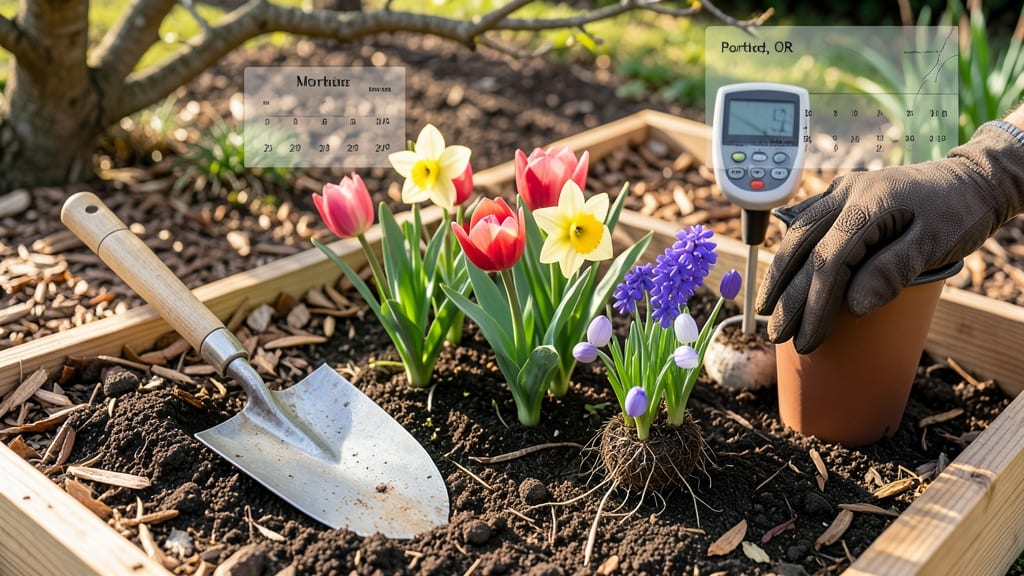
Planting your Spring Flowering Bulbs 🌷 at the wrong time in Portland, Oregon means soggy soil, rotten roots, or worse—missed blooms next spring.
The key to success here isn’t just waiting for "fall" or "spring" but understanding Portland’s microclimates, where urban heat islands and wet winters throw off traditional planting windows.
If you’ve ever wondered why some neighbors’ tulips pop up in March while yours stay stubbornly underground, it’s likely about timing. Zone 8a’s mild winters and unpredictable frost dates mean you’ve got a narrow window—September to November for fall planting—to get bulbs in the ground before the rains really set in.
But here’s the game-changer: even within Portland, your urban garden might behave differently than a rural one. Soil temperature, not just calendar dates, determines when bulbs wake up.
I’ll show you exactly how to read your soil’s signals and adjust for Portland’s quirks—so you’re planting when the conditions are truly right, not just when the almanac says so.
Ready to turn your yard into a springtime explosion of color? Let’s dive into the perfect planting schedule, soil prep secrets, and the bulbs that thrive even when Portland’s weather plays tricks on you.
Portland’s ideal bulb planting calendar by microclimate zone
Portland’s USDA Zone 8a climate creates unique challenges for bulb planting—especially with zero frost risk in some microclimates. Urban areas like Downtown Portland may experience earlier planting windows than rural zones like Washington County, where frosts linger longer.
Understanding these variations ensures your daffodils, tulips, and hyacinths bloom reliably year after year.
For spring-flowering bulbs, the ideal planting window is September through November, giving roots time to establish before winter. However, early spring planting (January–March) works for hardy varieties like camassia or crocus, which tolerate cooler soils.
The key is soil temperature: aim for 60°F or below to prevent premature sprouting.
Urban gardeners often face warmer microclimates due to concrete heat absorption, allowing late-November planting for fast-rooting bulbs like alliums. In contrast, rural areas with cooler nights should plant by mid-October to avoid frost damage.
Always check local frost dates—Portland’s first frost averages October 15, but urban pockets may push this to November 1.
Here’s how to align your planting with Portland’s three microclimate zones:
| Microclimate Zone | Ideal Planting Window | Soil Temp Threshold | Best Bulb Choices | Key Adjustment |
|---|---|---|---|---|
| Urban (Downtown, SE Portland) | Late Sept–Nov 15 | 55–60°F | Tulips, Hyacinths, Daffodils | Use mulch to retain heat |
| Suburban (Beaverton, Hillsboro) | Mid-Sept–Oct 31 | 50–55°F | Alliums, Fritillaries, Snowdrops | Plant deeper (6" for large bulbs) |
| Rural (Washington County, Forest Grove) | Aug 15–Oct 15 | 45–50°F | Camassia, Crocus, Grape Hyacinths | Add sand to heavy clay soil |
For fall-planted bulbs, prioritize well-draining soil—Portland’s clay-heavy soils can trap moisture, leading to rot. Amend with compost or grit before planting. In containers, use a fast-draining mix (50% potting soil, 30% perlite, 20% compost) to mimic rural soil conditions even in urban spaces.
If you miss the fall window, early spring planting (January–March) is an option for cold-hardy bulbs like snowdrops or crocus. These varieties tolerate cooler soil temps and can even bloom through snow.
However, avoid planting tulips or daffodils after March 1, as they risk premature sprouting before the last frost.
Pro tip: Use a soil thermometer to monitor temperatures. Plant when soil is below 60°F for fall bulbs or above 40°F for spring varieties. This simple tool prevents wasted bulbs and ensures vibrant blooms next spring.
Portland’s microclimates also affect bloom times. Urban areas may see earlier tulip blooms (March) compared to rural zones (April). Plan your garden layout accordingly—place early bloomers near patio seating and late bloomers in back borders for extended seasonal interest.
For container gardening, choose smaller bulbs like grape hyacinths or miniature daffodils. These thrive in 6-inch pots and can be moved to extend bloom seasons. Just ensure pots have drainage holes and use a lightweight potting mix to prevent waterlogging.
Remember: Portland’s rain can delay planting. If the ground stays waterlogged past your target window, wait until soil dries slightly—soggy conditions cause bul
How Portland’s rainfall and soil affect bulb planting timing
Portland’s wet winters and acidic soil can turn bulb planting into a high-stakes game of timing. Too much moisture delays planting, while soggy soil risks rot—especially for spring-flowering bulbs like tulips and daffodils. The key? Adjusting for soil moisture levels and choosing the right planting method (in-ground vs. containers).
Unlike drier climates, Portland’s 165 frost-free days mean bulbs can often be planted later in fall (November) or earlier in spring (March). However, the real challenge is soil saturation.
Heavy rains in late fall can leave the ground waterlogged, making it risky to plant bulbs too close to winter. Test your soil’s moisture by squeezing a handful—if it stays clumped, wait.
Container planting is a game-changer in Portland. Raised beds or pots with well-draining mixes (add perlite or sand) let you plant bulbs 2-4 weeks later than in-ground, since containers dry faster. This is especially useful for urban microclimates where pavement delays soil warming in spring.
Bulbs planted in waterlogged soil rot quickly. If your garden feels like a swamp in late fall, opt for container planting or wait until soil temperatures drop below 60°F (early December). For in-ground planting, amend soil with compost and grit to improve drainage.
💦
Portland’s acidic soil (pH 5.5-6.5) also affects timing. Most bulbs prefer neutral to slightly alkaline soil (pH 6.0-7.0).
If your soil is too acidic, add wood ash or lime 4-6 weeks before planting to adjust pH. This is critical for fall-planted bulbs, as they need time to establish roots in balanced soil before winter.
For early spring planting (January-March), watch for soil temperature trends. Use a soil thermometer—bulbs should go in when temps stay above 40°F at 4" depth.
In Portland’s Zone 8a, this often aligns with late February to early March, but urban areas (like downtown) may warm faster than rural spots.
Pro tip: Mulch heavily after planting to insulate bulbs from Portland’s temperature swings. Use straw or leaves (3-4 inches), but avoid thick layers that trap moisture.
In containers, reduce mulch to 1 inch to prevent rot. With the right adjustments, you’ll beat Portland’s weather and enjoy bold spring blooms every year.