
Plants
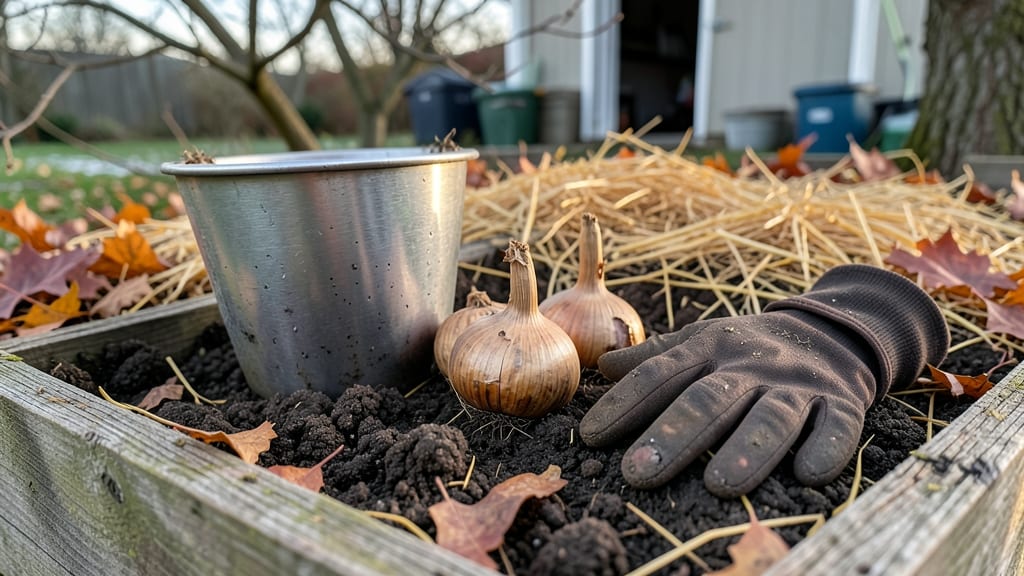
Planting tulips in New York isn't just about timing—it's about unlocking perfect spring blooms that brighten your garden for weeks. Whether you're in the bustling streets of NYC or the rolling hills of Upstate, getting those bulbs in the ground at the right moment makes all the difference.
The ideal window opens in October and stretches into November, but knowing exactly when to act depends on your local microclimate and frost dates.
For most of New York, which falls in USDA Zones 5-7, the magic happens 6 weeks before the first frost—typically mid-October through early November.
This timing ensures bulbs establish roots before winter sets in, giving them the strength to push through snow and ice for those iconic 🌷 blooms next spring. But here's the catch: Upstate gardeners might need to adjust slightly earlier than their NYC counterparts due to colder temperatures.
What makes this even more critical is that tulips planted too late may not root properly, while those planted too early could sprout prematurely and get damaged by frost.
The key is finding that sweet spot where soil temperatures dip below 60°F but haven't yet frozen solid—a window that's different for every neighborhood in the Empire State.
In this guide, I'll walk you through the exact planting schedule for your zone, plus pro tips to protect your bulbs through winter and ensure vibrant blooms year after year. Let's get those tulips in the ground the right way!
New York planting Zones: when to plant tulips for spring blooms
New York’s diverse climate—from the Adirondacks’ Zone 4 to the Long Island’s Zone 7—means tulip planting dates vary dramatically. To ensure your bulbs bloom vibrantly next spring, align your planting with your USDA zone and local frost dates.
Most gardeners aim to plant 6 weeks before the first hard frost, but New York’s microclimates demand precision.
For example, Upstate New York (Zones 4-5) typically plants tulips between mid-October and early November, while New York City and Long Island (Zones 6-7) can extend planting until late November.
The key is soil temperature—bulbs need 40–50°F soil to root before winter dormancy. Use a soil thermometer to check, or follow local frost predictions from Cornell Cooperative Extension.
Pro Tip: If you miss the ideal window, plant as late as December in milder zones, but expect fewer blooms. Bulbs planted too late may not establish roots deeply enough to survive winter.
Here’s a quick reference for New York’s planting zones and frost dates:
| Zone | Frost Dates | Ideal Planting Window | Soil Temp Goal |
|---|---|---|---|
| Zone 4 (Adirondacks, Catskills) | First frost: Oct 15–25 | Mid-October–Nov 1 | 40–50°F |
| Zone 5 (Albany, Syracuse) | First frost: Nov 1–10 | Late Sept–Nov 15 | 40–50°F |
| Zone 6 (Rochester, Hudson Valley) | First frost: Nov 10–20 | Oct 15–Dec 1 | 40–50°F |
| Zone 7 (NYC, Long Island) | First frost: Nov 20–Dec 5 | Oct 30–Dec 15 | 40–50°F |
*Adjust for microclimates—urban areas may stay warmer longer.
In Zone 4, where winters are harsh, prioritize hardy varieties like ‘Ice Cream’ or ‘Red Emperor,’ which thrive in colder soils. Meanwhile, Zone 7 gardeners can experiment with late-blooming varieties like ‘Darwin Hybrid’ tulips, which handle milder winters better.
Always check the back of your bulb packaging for variety-specific advice.
New York’s variable winters can throw off planting plans. If you’re unsure about frost dates, use the “6-week rule”: Count backward from your area’s average first frost date.
For example, if frost hits November 15, plant by October 1. This method works for 90% of New York’s zones.
For container gardening in NYC or coastal areas, plant bulbs in well-draining pots and move them to a garage or cold frame if temperatures dip below 20°F. This protects them from frost heave, where freezing/thawing cycles push bulbs too close to the surface.
Don’t forget to mulch after planting! A 3-inch layer of straw or shredded leaves insulates bulbs and prevents soil temperature swings. In Zone 5–7, mulch in late fall after the ground freezes to avoid attracting pests.
If you’re in a transition zone (e.g., Zone 5b/6a), err on the earlier side. Bulbs planted too late may not root deeply enough before winter, leading to smaller or no blooms. Use a planting calendar from your local Cooperative Extension office for hyper-local advice.
Finally, avoid planting in spring—tulips need a cold dormancy period to bloom. Spring-planted bulbs may produce foliage but skip flowering entirely. Stick to fall planting for guaranteed spring color!
New York planting Zones: when to plant tulips for spring blooms
New York’s diverse climate—from the Adirondack Mountains to Long Island—means tulip planting dates vary by USDA Zone. Most of the state falls in Zones 5-7, but even small shifts in elevation or latitude can change your ideal window.
Aim to plant 6 weeks before the first hard frost, typically between mid-October and early November.
For Zone 5 (northern NY like Plattsburgh), plant by October 15—earlier if your soil stays warm.
In Zone 6 (Albany, Syracuse), the window stretches to November 1. Zone 7 (NYC, Long Island) can handle late plantings until November 15, but bulbs need 4-6 weeks of cold to bloom properly.
| Zone | Ideal Planting Window | Soil Temp | Notes |
|---|---|---|---|
| 5 (North) | Oct 1–15 | 50–60°F | Earlier for high elevations |
| 6 (Central) | Oct 15–Nov 1 | 50–65°F | Avoid soggy soil |
| 7 (South) | Oct 30–Nov 15 | 55–65°F | Later plantings need winter mulch |
Check your last frost date (average November 15 for most of NY) and count backward. Soil should be cool but workable—not frozen. Use a soil thermometer to confirm temps between 50–65°F. If your area has unpredictable frosts (like the Hudson Valley), plant earlier to avoid bulb rot.
Pro tip: Early-blooming varieties (like ‘Early Harvest’) tolerate slightly later plantings, while late bloomers (e.g., ‘Darwin Hybrid’) need the full cold period. For container gardening, plant 2 weeks earlier—pots cool faster and risk freezing.
After planting, mulch with straw (2–3 inches) to insulate bulbs and prevent frost heave. This is especially critical in Zone 5, where winters are harsher. Remove mulch in early spring to allow sunlight to trigger blooming.
For real-time updates, consult the Cornell Cooperative Extension or your local agricultural station. Their frost maps account for microclimates—like urban heat islands in NYC—that can shift your planting window by 1–2 weeks.