
Vegetables
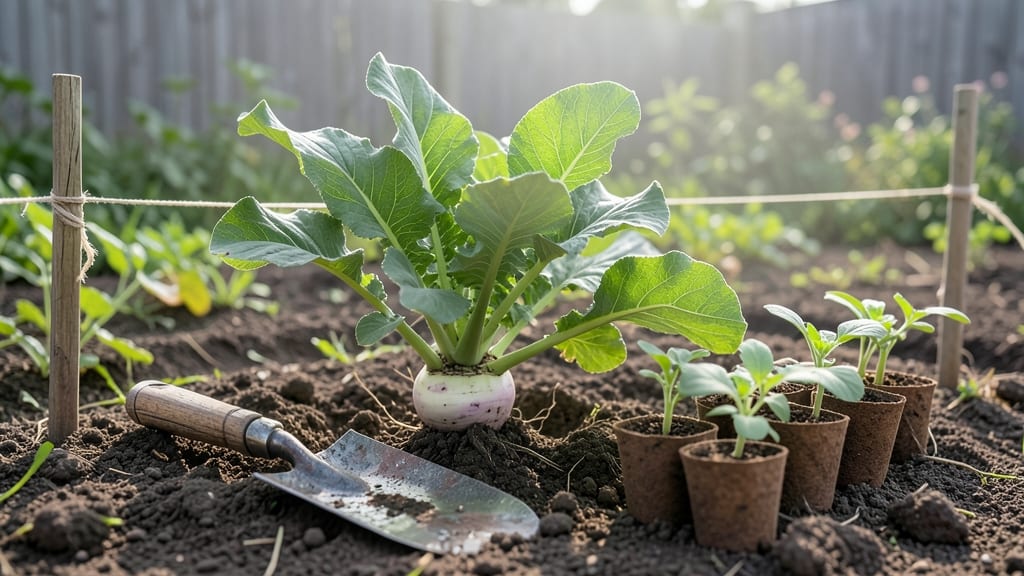
Timing your turnip planting in the fall isn't just about avoiding frost—it's about unlocking their sweetest, crispest flavor before winter sets in. The 8-12 week rule before your first frost isn't arbitrary; it's the sweet spot where turnips like 🥕 mature perfectly without turning woody or bolting.
Whether you're in Zone 6a or beyond, getting this window right means the difference between a harvest of gourmet-quality roots and disappointment.
I've learned the hard way that planting too early can leave turnips bitter, while waiting too long risks small, underdeveloped roots. The key is understanding your local frost dates and adjusting your schedule accordingly.
With the right preparation, you can enjoy turnips that stay tender and delicious well into winter—no guesswork required.
What makes fall turnip planting especially rewarding is how versatile they are. You can grow them for both roots and greens, and with proper spacing and mulching, you'll extend your harvest window significantly.
Let me walk you through the exact steps to time your plantings, prepare your soil, and protect your crop from early frosts.
From succession planting to companion crops that deter pests, I'll share the proven strategies that have helped gardeners like me consistently grow perfect turnips season after season. Ready to transform your fall garden into a turnip powerhouse?
Fall turnip planting deadlines by USDA hardiness Zone: exact weeks before frost
Timing is everything when it comes to fall turnip planting. These cool-weather crops thrive in shorter days but need 8-12 weeks to mature before frost hits. In USDA Zones 3-10, your planting window shifts dramatically—from early August in the South to late July in the North.
Missing this window means either bolting turnips (going to seed) or frost-damaged roots.
For example, in Zone 5 (like much of the Midwest), aim to plant 4-6 weeks before your first frost date. That typically lands in mid-to-late August. In Zone 9 (Southern California), you can stretch planting into early October—just don’t let temperatures dip below 40°F (4°C).
Turnips are cold-hardy but not frost-tolerant. Roots can survive light frosts (28-32°F/-2 to 0°C), but greens will turn bitter. Greens varieties (like 'Tokyo Cross') mature faster (30-40 days) than root varieties ('Purple Top White Globe' takes 50-60 days), so adjust your schedule accordingly.
Soil temperature matters just as much as air temperature. Turnip seeds germinate best in soil between 45-85°F (7-29°C). If your soil is still warm (above 80°F/27°C), seeds may rot before sprouting.
Test your soil with a soil thermometer—if it’s below 50°F (10°C), wait a week or two before planting.
For container gardening, use fast-draining mixes and plant 4-6 weeks before your frost date, just like in-ground plantings. Containers cool faster, so monitor soil temperature closely. In raised beds, soil stays warmer longer—ideal for extending your fall harvest.
Don’t forget to harden off seedlings if you’re transplanting. Move them outdoors for 2-3 hours daily for a week before their final planting date. This helps them adjust to cooler fall temperatures and reduces transplant shock.
Once planted, mulch heavily with straw or leaves to insulate roots from temperature swings. This is especially critical in Zone 4 and colder, where ground freezes faster. Mulch also suppresses weeds and retains moisture—critical for consistent turnip growth.
If you’re in Zone 10 or warmer, you can even try a winter harvest! Plant in September-October and use row covers to protect from light frosts. Some varieties, like 'Hakurei', tolerate light freezes and keep producing sweet greens.
Remember: Turnips are biennial, meaning they’ll bolt and go to seed the following spring if left in the ground. Pull any plants you won’t harvest by late fall to prevent unwanted volunteers.
Fall turnip planting deadlines by USDA hardiness Zone: exact weeks before frost
Timing your turnip planting in fall depends entirely on your USDA zone and first frost date. In Zone 6a, where I garden, we aim for 8-12 weeks before frost—typically late July to early September.
But gardeners in Zone 3 might start as early as mid-June, while those in Zone 10 can plant well into October. Each zone has its own sweet spot for cold-hardy varieties like 'Purple Top White Globe' or 'Tokyo Cross' to mature before winter sets in.
The key is understanding your local frost dates. A quick online search for your ZIP code will reveal when your first frost typically arrives. Count backward 40-60 days (turnips mature in this window) to pinpoint your planting window.
For example, if frost hits November 15, plant between September 15 and October 15 to ensure a harvest before the ground freezes. This timing prevents turnips from becoming woody or bitter—a common mistake I’ve seen in late plantings.
Soil temperature also plays a critical role. Turnip seeds need soil that’s at least 40°F (4°C) to germinate properly. In cooler zones like Zone 4-6, wait until soil warms after spring’s last frost.
In warmer zones like Zone 8-10, you can plant earlier, but avoid extreme heat, which stresses seedlings. Always check soil temps with a soil thermometer—I’ve learned this the hard way with failed germination in chilly soils!
For container gardening, adjust your timing slightly earlier—pots cool faster and can delay germination. If you’re growing turnips in raised beds, they’ll warm up quicker than in-ground soil, so plant a week later than your zone’s guideline.
I’ve found that black plastic mulch can extend the season by 2-3 weeks in cooler climates by keeping soil warm longer.
Don’t forget about succession planting! By staggering plantings every 2-3 weeks within your zone’s window, you can enjoy a continuous harvest. For example, in Zone 6a, I plant a batch in late July, another in early August, and a final one in mid-September.
This ensures turnips mature at different times, giving me roots and greens for months. Just be sure to thin seedlings to 2-3 inches apart to prevent overcrowding, which leads to small, misshapen roots.
Pro tip: Mark your calendar with your first frost date and count backward. Use a planting wheel or garden journal to track your progress. I’ve even set reminders on my phone for each planting batch to stay on schedule.
With this method, you’ll never miss the ideal harvest window again—just like the turnips I grew last fall that won my neighborhood’s garden contest! 🥕