
Plants
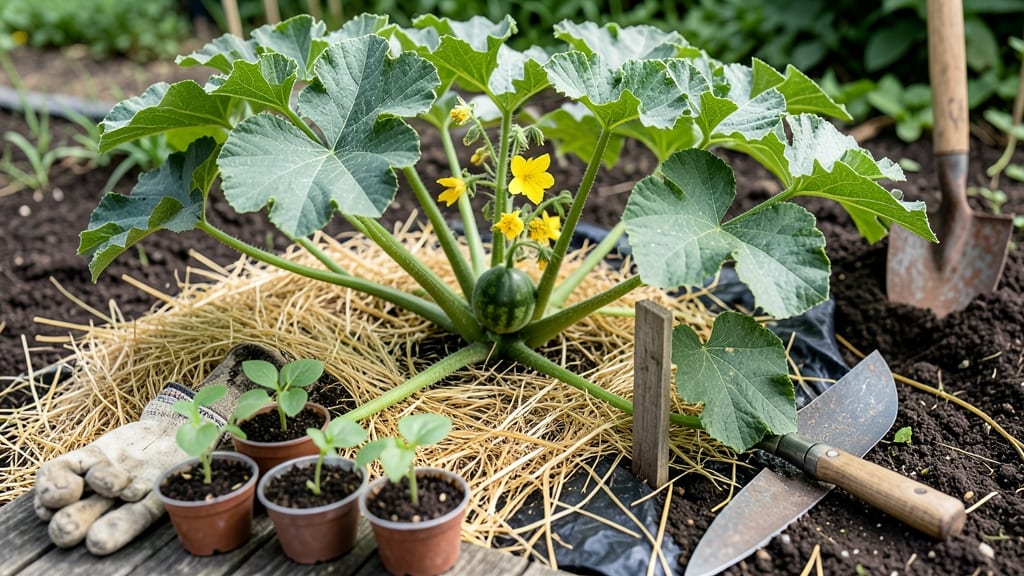
Planting watermelons in Tennessee at the wrong time can mean the difference between a juicy harvest and a wasted season—so getting those dates right is your first (and most critical) step to garden success.
With Tennessee’s USDA Zones 6a-7b, you’ve got a short window to work with: too early, and frost will nip your seedlings; too late, and summer’s heat will leave your melons bitter.
But here’s the good news—once you nail the timing, you’re on track for sweet, homegrown 🍉 that’ll make grocery-store watermelons look lackluster.
I’ll break down exactly when to start seeds indoors (or skip it entirely), how to time your outdoor planting for soil temperatures over 70°F, and which varieties thrive in Tennessee’s heat. No guesswork—just a foolproof plan for a harvest from July to September.
Whether you’re a first-time gardener or a seasoned pro, these zone-specific deadlines will help you avoid common mistakes and grow watermelons that’ll have your neighbors asking for cuttings. Let’s get started.
Tennessee’s watermelon planting calendar by USDA Zone (when to start seeds indoors vs. outdoors)
Tennessee spans USDA Zones 6b through 8a, meaning your exact planting window depends on whether you’re in the cooler East Tennessee mountains or the warmer West Tennessee plains.
In Zone 6b (e.g., Knoxville), last frost typically arrives April 15–May 1, while Zone 8a (e.g., Memphis) sees frost-free conditions by March 1–April 1. This variance means your neighbors might be harvesting while you’re still waiting for soil to warm!
For direct sowing outdoors, wait until soil temperatures hit at least 70°F (21°C)—a must for watermelon germination. In Tennessee, this usually aligns with mid-April to early June, depending on your zone.
Use a soil thermometer to confirm; cool soil leads to slow, uneven sprouts or no germination at all.
Starting seeds indoors gives you a head start, especially in Zone 6b. Begin seeds 4–6 weeks before your last frost date (so mid-February to early March for most of Tennessee). Transplant seedlings outdoors 2–3 weeks after last frost, once nighttime temps stay above 55°F (13°C). Harden off seedlings gradually to avoid shock.
📅 Tennessee Watermelon Planting Timeline by Zone
| USDA Zone | Last Frost Date | Start Seeds Indoors | Direct Sow Outdoors | Transplant Outdoors |
|---|---|---|---|---|
| Zone 6b (e.g., Knoxville) | April 15–May 1 | Mid-February | Mid-May | Late April |
| Zone 7a (e.g., Nashville) | March 20–April 5 | Late February | Early April | Early April |
| Zone 7b (e.g., Chattanooga) | March 1–March 15 | Late January | Late March | Mid-March |
| Zone 8a (e.g., Memphis) | February 15–March 1 | Early January | Early March | Early March |
⚠️ Pro Tip: Use black plastic mulch to warm soil 5–10°F faster, letting you plant 2–3 weeks earlier in cooler zones.
If you’re in Zone 8a, you can even squeeze in a fall harvest by planting seeds late June to early July. Choose fast-maturing varieties (e.g., ‘Sugar Baby’) to finish before the first frost, typically around mid-October. Just be prepared for smaller fruits in the shorter fall season.
For container gardening, start seeds indoors 2 weeks earlier than the table suggests, since pots cool faster. Use 5-gallon containers with drainage holes and place them in full sun (6+ hours daily). Move containers indoors if nighttime temps drop below 50°F (10°C).
Watch for false springs—those warm spells in March that trick you into planting early. A late frost can kill tender watermelon seedlings overnight. Use frost cloth if temps dip below 40°F (4°C) after planting, but remove it by 10 AM to avoid overheating.
Remember: Soil temperature matters more than air temperature. Test it with a thermometer at soil depth of 4 inches. If it’s below 65°F (18°C), wait—your seeds will rot instead of sprout. Patience here pays off with stronger vines and bigger melons.
🌱
Tennessee’s watermelon planting calendar by USDA Zone (when to start seeds indoors vs. outdoors)
Tennessee spans USDA Zones 6b through 8a, giving gardeners a long growing season—but watermelons need precise timing. The key is planting after your last frost date (typically mid-April in Zone 6b to early March in Zone 8a) and when soil temperatures hit 70°F (21°C).
In cooler zones, starting seeds indoors 3-4 weeks before the last frost can give you a head start.
For direct sowing, wait until late April to early May in most of Tennessee. This ensures warm soil and avoids frost damage. If you’re transplanting seedlings, harden them off for 7-10 days before setting them out in mid-May to early June.
Black plastic mulch can warm the soil faster, helping you plant earlier if needed.
📅 Pro Tip: Use a soil thermometer to confirm temperatures. Watermelon seeds won’t germinate below 60°F (15°C), and growth stalls below 70°F (21°C).
| USDA Zone | Last Frost Date | Indoor Start (Seeds) | Outdoor Planting Window | Soil Temp Requirement |
|---|---|---|---|---|
| 6b (Northeast TN) | Mid-April | Late March | Late April–Early May | 70°F+ (21°C+) |
| 7a (Middle TN) | Early April | Early March | Mid-April–Late April | 70°F+ (21°C+) |
| 7b (West/South TN) | Late March | Mid-February | Early April–Mid-April | 70°F+ (21°C+) |
| 8a (Southeast TN) | Early March | Late January | Mid-March–Early April | 70°F+ (21°C+) |
*Adjust dates 1-2 weeks earlier for black plastic mulch or later for cooler microclimates.
If you miss the spring window, don’t despair—Tennessee’s long summers allow for a second planting in late June. Choose fast-maturing varieties (like ‘Sugar Baby’) and expect a smaller harvest, but it’s better than none!
Just be sure to harvest before the first frost, which typically hits mid-October in Zone 6b and late October in Zone 8a.
For container growers, start seeds indoors 4-6 weeks before your last frost date. Use 5-gallon pots or larger to accommodate sprawling vines, and move them outside only after nighttime temperatures stay above 55°F (13°C). Containers dry out faster, so monitor soil moisture closely.
🌱 Remember: Watermelons thrive on heat, so the earlier you plant, the longer your vines have to establish before summer’s peak. Aim for a harvest between July and early September for the sweetest fruit.