
Plants
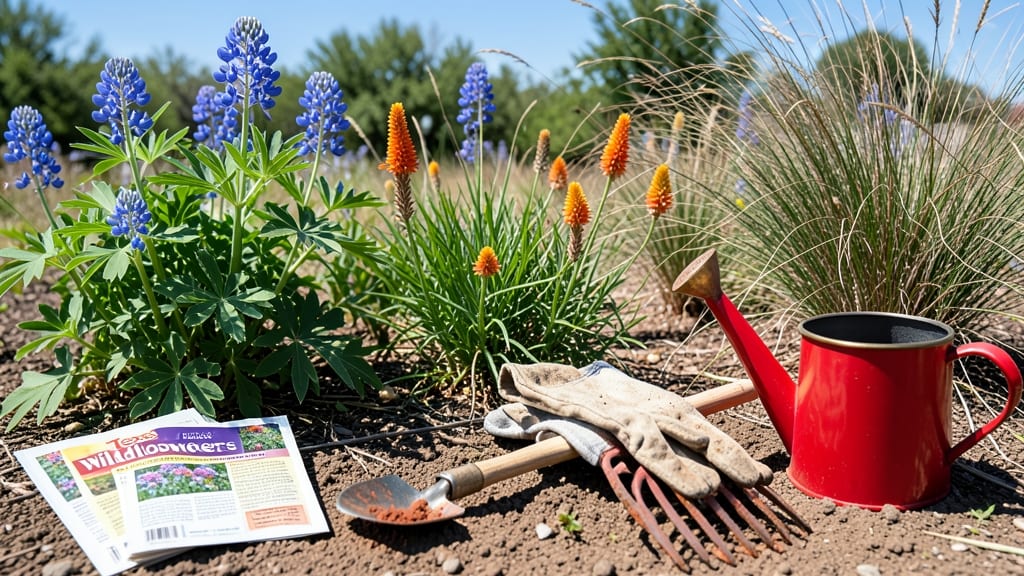
Planting wildflower seeds in Texas at the wrong time can leave your landscape looking like a desert—even when your neighbors are enjoying vibrant blooms. The secret to year-round color lies in understanding your region’s unique climate, from North Texas’s unpredictable frost dates to the Gulf Coast’s humid warmth.
Whether you’re dreaming of bluebonnets carpeting the Hill Country or black-eyed Susans brightening East Texas meadows, timing is everything. Fall and spring are your best windows, but the exact months depend on where you live—September to November for cool-season varieties and February to April for heat-lovers.
I’ll break down the best planting months by Texas region, so you can skip the guesswork and create a wildflower garden that thrives. From soil prep to seed selection, you’ll learn exactly what works for your local conditions—no more wasted seeds or missed blooms.
Ready to turn your yard into a pollinator paradise? Let’s get started with the best months to plant wildflower seeds in Texas, tailored to your specific corner of the Lone Star State.
Texas wildflower planting calendar by region: best months for year-round blooms
Texas's diverse climate means wildflower planting windows vary dramatically from the Panhandle's cooler zones to the Gulf Coast's mild winters.
To maximize blooms, I've broken down the ideal planting months by region—because planting bluebonnets in August in West Texas means they'll bolt in the heat, while fall planting in East Texas lets seeds establish before winter rains. Let's dive into the perfect timing for each zone.
The key to Texas wildflower success is understanding your last frost date and rainfall patterns. Most native seeds need 60-90 days to germinate and establish before summer's brutal heat arrives.
That's why fall planting (September-November) works best for cool-season varieties like bluebonnets and coreopsis, while spring planting (February-April) suits heat-loving species like blackfoot daisies and Mexican hat.
🌼 Did You Know? Texas has 6 distinct planting regions, each with unique microclimates that affect seed timing. For example, El Paso's high desert (Zone 8a) can plant 2 months earlier than Houston's humid subtropical zone (Zone 9a). Here's your region-specific planting guide:
| Region | Best Planting Months | Key Species | Frost Notes |
|---|---|---|---|
| North Texas (Dallas/Fort Worth) | Fall: Sept 15–Nov 15 Spring: Feb 15–March 31 |
Bluebonnets, Indian paintbrush, winecups | Last frost: Feb 15 First frost: Dec 1 |
| East Texas (Tyler/Longview) | Fall: Oct 1–Dec 15 Spring: March 1–April 15 |
Black-eyed Susans, primroses, salvias | Last frost: Jan 31 First frost: Nov 15 |
| Central Texas (Austin/San Antonio) | Fall: Sept 1–Nov 1 Spring: Feb 15–March 30 |
Bluebonnets, evening primroses, coreopsis | Last frost: Feb 1 First frost: Dec 15 |
| Hill Country (Fredericksburg) | Fall: Sept 1–Oct 31 Spring: Feb 1–March 15 |
Bluebonnets, Mexican hat, goldenrod | Last frost: Jan 31 First frost: Dec 1 |
| West Texas (El Paso/Midland) | Fall: Aug 15–Sept 30 Spring: Jan 15–Feb 28 |
Desert marigold, four o'clocks, penstemon | Last frost: Jan 1 First frost: Nov 15 |
| South Texas (Corpus Christi) | Fall: Sept 15–Nov 1 Spring: March 1–April 15 |
Primroses, bluebonnets, Mexican feathergrass | Last frost: Jan 15 First frost: Nov 30 |
For Hill Country gardeners, I recommend planting bluebonnet seeds in early September—this gives them time to germinate before the first 32°F frost hits in December. In East Texas, where humidity lingers, October planting prevents fungal issues that spring seeds often face.
Meanwhile, West Texas planters should take advantage of August showers by sowing seeds then for a fall-to-winter display.
The Gulf Coast region offers the longest growing season, but even here, September planting beats spring planting because winter rains help establish roots.
Pro tip: In areas with heavy clay soil (like Houston or Dallas), I mix wildflower seeds with sand or compost to improve drainage—this prevents seed rot during Texas's unpredictable spring rains.
If you're planting for continuous color, I suggest a two-season approach: Sow cool-season varieties in fall (like bluebonnets) and heat-lovers in spring (like blackfoot daisies). This creates a nonstop bloom cycle from February through November.
For example, Indian paintbrush planted in October will bloom in March-April, while Mexican hat seeded in March will shine from June through August.
One common mistake I see is planting too late in spring. Seeds sown after April 15 often
How to choose wildflower seed mixes for Texas climate and soil types
Picking the right wildflower seed mix is half the battle—especially in Texas, where soil types and microclimates vary wildly. West Texas demands drought-resistant varieties, while East Texas clay soils need blends that won’t suffocate roots.
Even Central Texas’s limestone bedrock affects what thrives. Let’s break down how to match seeds to your conditions for a garden that blooms reliably.
Start by checking your soil type—sandy soils drain too fast for delicate seeds, while heavy clay can smother them. Texas native wildflowers like bluebonnets and Indian paintbrush thrive in well-draining soil, so amend clay with compost or sand if needed.
For pollinator-friendly mixes, look for seed blends labeled "native" or "ecotype," which include species like black-eyed Susans and meadow blazing star.
🌱 Soil Prep Tip: Lightly rake the area to break up clumps, then scatter seeds—no need to bury them! Texas wildflowers often require stratification (a cold period to break seed dormancy), so choose pre-stratified mixes or soak seeds in water for 24 hours before planting in fall.
Next, consider your sun exposure. Most Texas wildflowers need full sun (6+ hours daily), but some, like winecups, tolerate partial shade. If your yard has shady spots, opt for shade-tolerant mixes with foxglove or wild columbine.
For drought-prone areas, prioritize seeds like coreopsis or purple coneflower, which store water efficiently.
🌿 Pro Tip: Avoid mixes with non-native species like love-in-a-mist or sweet alyssum—they can spread invasively and crowd out natives. Stick to Texas Ecotype blends for guaranteed local success.
For first-time planters, pre-mixed wildflower blends are the easiest option—just follow the package instructions for planting depth and watering schedules. If you’re DIY-ing your mix, aim for a 50/50 ratio of annuals and perennials to ensure year-round color.
Annuals like cosmos and zinnia bloom fast, while perennials like salvia and lupine return every year.
🌻 Final Tip: Always buy seeds from reputable Texas suppliers like Native American Seed or Wildseed Farms—they offer region-specific blends tested for local conditions. With the right mix, your Texas wildflower garden will be a pollinator magnet in no time!