
Plants
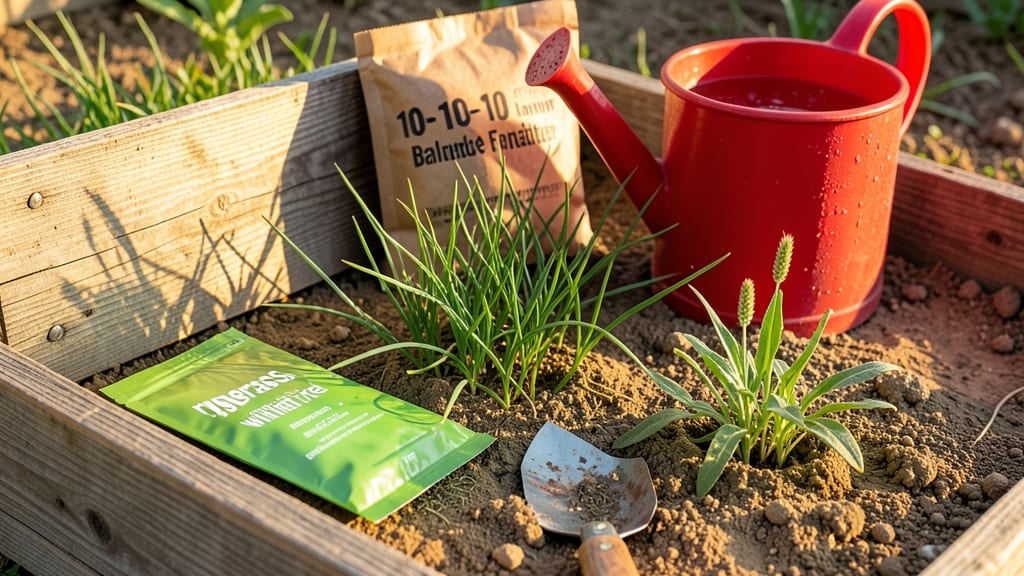
Planting winter grass in Arizona isn’t just about timing—it’s about surviving the desert’s brutal heat while setting up your lawn for spring success. The October-November window is your golden opportunity to beat the frost and establish roots before winter dormancy kicks in.
Why does this matter? Because Arizona’s USDA Zone 9b climate means summer heat can fry seeds if planted too early, while late planting risks frost damage. Whether you’re in Phoenix’s low desert or Flagstaff’s cooler highlands, the right timing ensures your 🌾 ryegrass or fescue thrives—not just survives.
I’ll walk you through the exact planting schedule tailored to Arizona’s microclimates, plus soil prep tricks to outsmart the desert. No more guessing—just a lush, green lawn that starts with the right move in the fall.
Ready to transform your yard? Let’s dive into the step-by-step plan that works for Arizona’s unique conditions, so you can enjoy that grassy escape all year long.
Optimal Arizona winter grass planting dates by region (and why timing matters)
Arizona’s desert climate demands precise timing for winter grass success. Unlike northern states, your cool-season grass must establish roots before winter dormancy—but avoid the 100°F+ September heat that fries seeds. The sweet spot? Mid-October to early November, when soil temps drop to 60-70°F and monsoons taper off.
Regional microclimates shift this window. In Phoenix and Tucson’s low desert (USDA Zone 10a), plant by October 15 to escape late-summer heatwaves. Higher elevations like Flagstaff (Zone 7b) can wait until late September—but rush before the first frost (usually December 15).
Soil temperature is your best guide: Wait until daytime highs stay below 85°F and nighttime lows dip to 55°F. Use a soil thermometer ($10 at garden centers) to confirm—65°F is ideal for germination. Pro tip: Morning planting minimizes evaporation in the afternoon heat.
Here’s why timing matters: Plant too early (August-September), and seeds bake in 110°F+ soil. Too late (December+), and frost stunts root growth. The 4-6 week window before dormancy lets grass establish 2-3 inches of roots—critical for surviving Arizona’s 100°F summers.
🌾 Arizona Winter Grass Planting Timeline by Region
| Region | USDA Zone | Ideal Planting Window | Soil Temp Threshold | Key Risk |
|---|---|---|---|---|
| Phoenix/Tucson | 10a-11a | Oct 15–Nov 15 | 60–70°F | Late-summer heatwaves |
| Prescott/Sedona | 7a-8a | Sep 20–Oct 15 | 55–65°F | Early frosts |
| Flagstaff | 7b | Sep 1–Oct 10 | 50–60°F | Short growing season |
| Yuma | 10b | Nov 1–Dec 1 | 65–75°F | Extreme heat year-round |
💡 Note: Adjust 1–2 weeks earlier for shaded lawns (cooler soil) or later for south-facing slopes (warmer microclimates).
Monsoon season (July–August) adds another layer of complexity. While September rains can help germination, heavy downpours wash out seeds. Aim to plant after the last major monsoon storm—check your local National Weather Service forecast for your area.
In Tucson, this is typically mid-September; in Phoenix, it’s often late September.
Post-planting care hinges on consistent moisture. Water lightly daily (1/4 inch) for the first 2 weeks to keep seeds from drying out, then deep-soak weekly (1 inch) once sprouts appear. Use a sprinkler with fine mist to avoid displacing seeds—overhead watering at noon wastes 50%+ to evaporation.
For overseeding existing Bermuda grass, mow your lawn to 1–1.5 inches first, then apply starter fertilizer (high-phosphorus) 2 days before seeding. This boosts root growth so winter grass outcompetes Bermuda in spring. Avoid overseeding in December—frost can kill tender seedlings.
Track your lawn’s progress with the 3-inch rule: Once grass reaches 3 inches tall, it’s established enough to handle Arizona’s 110°F summers. At this stage, reduce watering to twice weekly to encourage deep root development. Mow high (3–4 inches) to shade soil and retain moisture.
Optimal Arizona winter grass planting dates by region (and why timing matters)
Arizona’s cool-season grasses like ryegrass and fescue thrive in fall’s mild temperatures, but the perfect planting window shifts by region. In Phoenix and Tucson, aim for mid-October to early November—after monsoon rains taper off but before soil temps drop below 60°F.
Up north in Flagstaff or Prescott, start late September to beat earlier frosts (as early as December 15).
Why timing matters: Seeds need consistent soil temps between 60°F–75°F to germinate. Plant too early (e.g., September), and summer heat dries out seeds. Too late (e.g., December), and frost stunts growth. Even 1–2 weeks off can mean thin, patchy lawns.
🌱
| Region | Ideal Planting Window | Soil Temp Threshold | Key Consideration |
|---|---|---|---|
| Phoenix/Tucson | Mid-October to early November | 60°F–75°F | Avoid monsoon downpours (July–Sept) |
| Flagstaff/Prescott | Late September to mid-October | 55°F–65°F | First frost risk by December 15 |
| Yuma/El Centro | Early November | 65°F–70°F | Extreme heat delays germination |
For overseeding existing lawns, wait until November in most areas—this lets warm-season grasses (like Bermuda) go dormant first. Use a slit seeder to avoid scalping turf, and water lightly daily for 2–3 weeks to keep seeds moist.
Pro tip: Test soil pH (Arizona’s alkaline soils often need sulfur amendments for optimal growth).
Microclimates matter: High-desert areas (e.g., Sedona) can plant 2 weeks earlier than Phoenix due to cooler nights. Always check your local frost dates—Arizona’s USDA Zone 9b varies wildly, even within cities. For example, Scottsdale might see 50°F nights by November 15, while Tucson’s foothills stay warmer.
Post-planting, avoid fertilizing until 4–6 weeks after germination. Use a slow-release 10-10-10 fertilizer in December to boost root growth before winter dormancy.
In spring, your winter grass will green up quickly—but don’t let it go seed (mow at 3–4 inches) or it’ll turn brown and brittle by May.
☀️