
Companion Plants
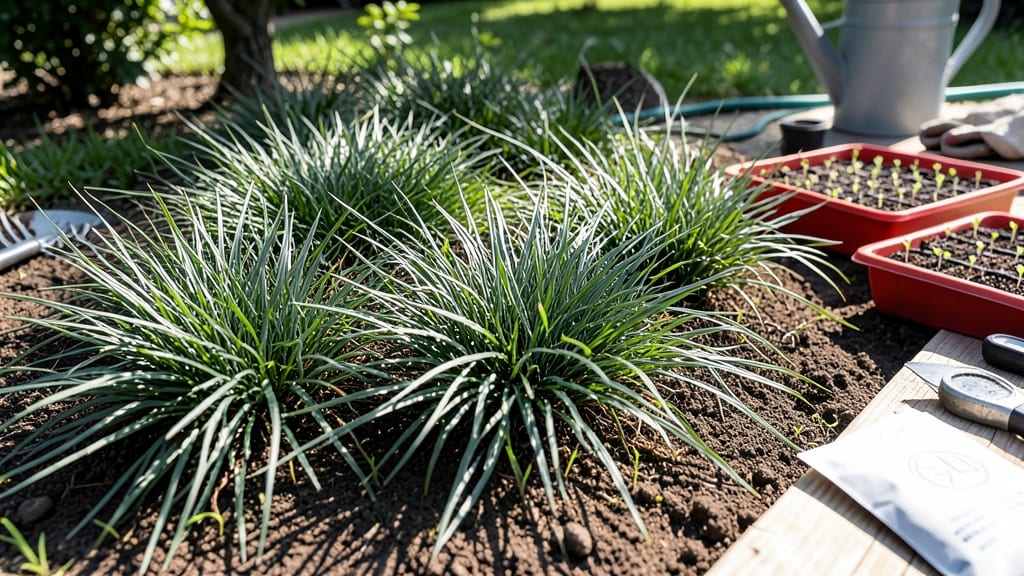
If you're asking "when should I plant Bermuda grass seed in Texas", timing is everything—because one wrong move could mean sparse, weak grass that fades under the relentless 100°F+ Texas sun.
Bermuda grass 🌱 thrives in USDA Zones 8a-10b, but planting it too early risks frost damage, while waiting too long leaves you battling summer heat stress.
The ideal window—late spring to early summer—balances soil warmth and moisture, giving your grass the best shot at taking root before the brutal heat sets in.
Here’s the catch: Texas isn’t one-size-fits-all. North Texas (Zone 8a) has a later last frost date than South Texas (Zone 10b), so your planting window shifts by weeks.
Skip the guesswork and learn the exact soil temperature thresholds (65°F minimum) and regional adjustments that separate a lush lawn from a patchy disappointment. I’ll break down the science-backed calendar so you can plant with confidence, no matter where you are in the Lone Star State.
But it’s not just about the calendar—soil prep and variety choice make or break your success. Texas clay soil can be a nightmare if you don’t loosen it properly, and some Bermuda grass strains handle our extreme heat better than others.
Whether you’re seeding or sodding, I’ll cover the critical steps to ensure your grass survives the summer and thrives year-round. Let’s get your lawn on the fast track to green glory.
Ready to ditch the trial-and-error? You’ll walk away with a clear planting timeline, soil readiness checks, and pro tips to outsmart Texas’ heat. No more second-guessing—just a lawn that stands up to everything from droughts to kids’ soccer games. Let’s make this your easiest (and greenest) growing season yet.
Optimal Bermuda grass planting calendar for Texas Zones 8-10: exact weeks & heat tolerance rules
Texas’ USDA Zones 8-10 create a unique challenge for Bermuda grass seed—too early, and cool soils stunt growth; too late, and summer heat stresses seedlings. The perfect window hinges on soil temperature, not just calendar dates.
For North Texas (Zones 8a-8b), aim for mid-April to early June, while South Texas (Zones 9a-10a) can start as early as late March.
Bermuda grass thrives when soil reaches 65°F (18°C)—a threshold critical for germination. Use a soil thermometer to confirm readiness; planting before this temperature risks poor establishment. In Zone 10a, where winters are mild, you can even seed in late summer (August-September) for fall establishment.
Here’s the exact planting timeline broken down by zone, including heat tolerance rules to maximize success:
| Zone | Optimal Planting Window | Soil Temp Threshold | Heat Tolerance Tip |
|---|---|---|---|
| 8a (North Texas) | Mid-April to early June | 65°F (18°C) | Avoid planting after June 15—summer heat accelerates drought stress. |
| 8b (Central Texas) | Late March to late May | 65°F (18°C) | Use shade cloth for seedlings if temps exceed 95°F. |
| 9a (South Texas) | Late March to early July | 65°F (18°C) | Late summer seeding (August) works for fall establishment. |
| 9b-10a (Deep South Texas) | Late March to September | 65°F (18°C) | Prioritize deep watering during 100°F+ heatwaves. |
If you’re in Zone 10a, consider late summer seeding (August) for a fall lawn. The key is to plant 6-8 weeks before first frost—typically by mid-September. This strategy leverages cooler temps to reduce heat stress while still allowing roots to establish before winter.
For North Texas (Zones 8a-8b), early June is the absolute cutoff. Planting after this risks dormancy due to heat and drought. Instead, opt for sod, which establishes faster in extreme heat. Use a mulch layer to retain moisture and shield seedlings from 100°F+ afternoons.
Pro tip: Test soil moisture before planting. Stick your finger 2 inches deep—if it’s dry, water thoroughly 24 hours prior. Bermuda grass seeds need consistent moisture to germinate, but waterlogged soil causes rot. Aim for "damp sponge" consistency.
Once seeded, lightly rake to ensure seed-to-soil contact, then apply a thin layer of straw mulch (¼ inch) to protect seeds from bird foraging and evaporation. Avoid heavy mulch—it can smother seedlings. Water gently twice daily (morning and evening) until germination, which typically occurs in 7-14 days.
Texas’ summer heat is your biggest enemy, but timing is your ally. By following this zone-specific calendar, you’ll skip the sparse patches and weed takeover that plague poorly timed plantings. The result? A lush, drought-resistant lawn that survives Texas’ brutal summers.
🌱
5 Critical signs your Texas soil is ready for Bermuda grass seed (and what to do if it’s not)
Bermuda grass thrives in Texas’ heat, but only if your soil meets its three core needs: warmth, drainage, and the right pH. Skipping soil prep is the #1 reason seeds fail to sprout—even in our perfect USDA Zones 8-10.
Let’s break down the 5 non-negotiable signs your soil is ready, plus how to fix common Texas-specific problems like clay-heavy soil or waterlogged conditions.
First, check your soil temperature. Bermuda grass seeds need soil at least 65°F (18°C) to germinate. Use a soil thermometer—if it’s below this, wait. Cold soil = slow or no germination, even with premium seed.
Pro tip: In North Texas (Zone 8a), aim for mid-April planting; in South Texas (Zone 10a), you can start as early as late February.
⚠️ CALLOUT-WARNING ⚠️
If you plant Bermuda grass seed before soil hits 65°F, seeds will rot in cold, wet soil. Texas clay soil holds moisture too long—amend with compost or sand to improve drainage.
Fix: Test soil moisture by squeezing a handful. If it stays clumped, it’s too wet. Wait until it crumbles easily.
Next, assess moisture levels. Bermuda grass needs consistent moisture but hates soggy soil. Stick your finger 2 inches deep—if it’s dry, water deeply until moisture reaches 4-6 inches down.
Overwatering in Texas’ heat causes fungal diseases like brown patch. Use a moisture meter for accuracy, especially in Zone 9b+, where evaporation is rapid.
For pH balance, aim for 6.0–7.0. Test your soil with a home pH kit ($10 at garden centers). If it’s below 6.0, add lime; if above 7.0, mix in sulfur or peat moss.
Texas soils often lean alkaline—don’t skip this step! Bermuda grass struggles to absorb nutrients in high-pH soil, leading to yellowing even with proper watering.
Watch for weed competition. Before planting, remove weeds by hand or apply a pre-emergent herbicide like pendimethalin. Bermuda grass grows aggressively once established, but young seedlings can’t outcompete weeds. Time your weed control 2 weeks before seeding to avoid harming the grass.
Finally, check soil texture. If your soil is clay-heavy (common in East Texas), mix in 1 inch of sand or compost per 6 inches of soil. This improves aeration and drainage.
For sandy soils (West Texas), add organic matter like composted leaves to retain moisture. A quick test: Grab a handful—if it forms a tight ball that doesn’t crumble, it’s too clay-heavy.
Once your soil passes these 5 checks, you’re ready to plant. But remember: Bermuda grass in Texas isn’t just about timing—it’s about preparing the battlefield.
Skip prep, and you’ll spend the next year battling weeds and patchy growth. Now go test that soil—your lawn’s future depends on it! 🌱