
Plants
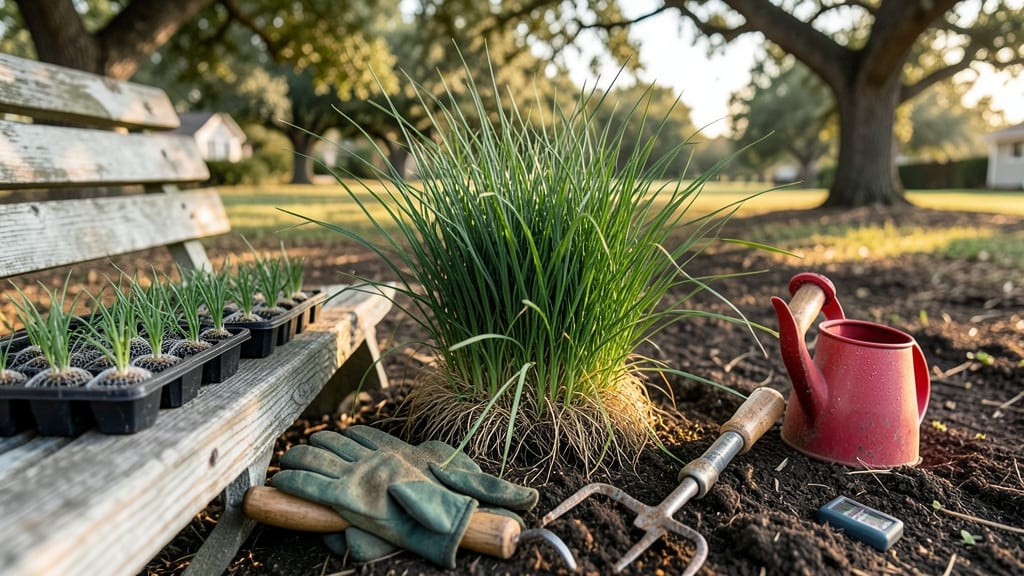
If you're asking "when to plant fescue in North Texas", timing is the key to avoiding a patchy, struggling lawn.
The cool-season window between late summer and early fall is your best bet—plant too early, and summer heat will stress the grass; too late, and winter freezes may stunt growth before it takes hold.
North Texas's 7b-8a climate means you can also plant in early spring, but the August-October window gives fescue 🌱 the ideal conditions to establish strong roots before winter. This is especially true for urban areas like Dallas and Fort Worth, where microclimates can shift temperatures unexpectedly.
Whether you're a first-time gardener or a seasoned pro, getting this right means fewer headaches and a lush lawn. I’ll walk you through the exact months, soil prep tips, and even which heat-tolerant varieties thrive here—so you can skip the guesswork and plant with confidence.
Let’s break down the science behind the perfect planting window and how to set your fescue up for success from day one.
Best planting months for fescue in North Texas (cool-season window explained)
North Texas’ hot summers and mild winters create a unique challenge for growing cool-season fescue. Unlike warm-season grasses like Bermuda, fescue thrives in 60-75°F soil temperatures, making fall and early spring the only safe windows.
Planting outside these times risks heat stress or winter dormancy issues, leading to patchy lawns or failed growth.
For North Texas gardeners, the ideal planting window spans from late August to mid-October—just before the first frost (typically mid-November).
This gives seeds 6-8 weeks to establish roots before winter slows growth. Early spring (February-March) is your second chance, but act fast—soil warms quickly, and by April, summer heat arrives.
Here’s the critical rule: Never plant fescue when daytime temps exceed 85°F. In Dallas/Fort Worth, that means avoid May-September unless you’re overseeding an existing lawn. Even then, heat-dormant varieties like Titanium struggle without shade or irrigation.
Microclimates matter! Urban areas (like Dallas) stay 5-10°F warmer than rural zones (e.g., Waco), so adjust deadlines by 1-2 weeks. Use the Texas A&M AgriLife Extension’s frost date maps to pinpoint your local cutoff—most North Texas regions hit first frost by November 15.
Soil temperature is your #1 guide. Use a soil thermometer to confirm 60-75°F before planting. In August-September, morning soil temps often drop into this range, while October can fluctuate. Pro tip: Plant in the early morning or late afternoon to avoid midday heat stress on seeds.
Watering strategy shifts with seasons. After planting, keep soil consistently moist (1-1.5 inches per week) for 4-6 weeks to encourage root growth. In fall, reduce to bi-weekly once established; in spring, ramp up to daily until roots deepen. Overwatering in summer kills fescue faster than drought.
Mulching with straw (not wood chips) retains moisture and regulates soil temps. Apply a ¼-inch layer after seeding to protect seeds from wind and erosion. Remove it once sprouts reach 2-3 inches to prevent thatch buildup, which smothers grass.
For overseeding existing lawns, September-October is ideal. Thin spots from summer heat or disease will fill in faster with cooler temps and higher humidity. Use a slit seeder to avoid disturbing established roots.
Watch for fungal risks in wet springs (like 2023’s April rains). If planting in March, space seeds ½ inch apart and avoid foot traffic until germination (10-21 days). Fungicide treatments aren’t usually needed, but improve drainage if your yard holds water.
🌱
📅 Planting Timeline for North Texas Fescue
| Season | Best Months | Soil Temp | Key Action |
|---|---|---|---|
| Fall | Late August–Mid October | 60–75°F | Plant seeds 4–6 weeks before first frost |
| Spring | February–March | 55–65°F | Overseed thin areas; avoid April heat |
| Avoid | May–September | Above 85°F | Risk of heat stress or dormancy |
Local Texas A&M recommendations highlight September 15 as the sweet spot for North Texas fescue planting.
By this date, daytime highs drop to 85°F or below, and soil temps stabilize in the 70-75°F range—perfect for germination. Pro move: Test your soil’s pH (6.0-7.0 ideal) and amend with lime if needed before planting.
If you miss fall, February is your next shot. Early February offers cooler soil and lower evaporation than March, but act by February 28 to avoid spring heatwaves. Slow-release fertilizer (10-10-10) applied at planting gives roots a 6-week nutrient boost without burning.
💡
🌡️ Soil Temp
Best planting months for fescue in North Texas (cool-season window explained)
North Texas gardeners face a unique challenge: fescue grass thrives in cool weather, but our summers are brutal. The ideal planting window is late summer to early fall (August–October), when soil temperatures drop below 75°F but stay above 60°F.
This balance lets seeds germinate without wilting under 100°F heat or freezing before roots establish.
For spring planting, aim for February–March—after the last frost (typically mid-February) but before soil heats up past 70°F. Dallas and Fort Worth have slightly longer windows than Waco, where hotter microclimates demand earlier fall planting to avoid summer stress.
Here’s why timing matters: Fescue seeds need consistent moisture to sprout, and North Texas summers provide zero of that. Planting too early (June–July) risks seed desiccation, while waiting too late (November+) exposes young grass to winter dormancy before roots deepen.
🌱 Key Deadlines: - Fall planting: Complete by October 15 (before first frost). - Spring planting: Start by March 15 (soil warms too fast after). - Soil temp rule: Use a soil thermometer—plant when temps are 60–75°F at 4" depth.
| Season | Best Months | Soil Temp (°F) | Notes |
|---|---|---|---|
| Fall | August–October | 60–75°F | Avoid planting after October 15. |
| Spring | February–March | 55–65°F | Wait until after last frost (mid-Feb). |
| Avoid | April–September | >75°F | Seeds dry out; poor germination. |
Pro tip: Overseeding in late fall (November) is a game-changer for North Texas lawns. Cool temps and frequent rains create perfect conditions for fescue to fill thin spots—just use a slit seeder to bypass compacted soil.
For new lawns, late August is your best bet: seeds germinate before summer’s end, and grass establishes before winter.
Watch for local weather patterns—Dallas’s urban heat island effect can delay fall cooling by 1–2 weeks compared to rural areas. Check the Texas A&M AgriLife Extension for your county’s frost dates to fine-tune your schedule. With the right timing, your fescue will outlast bermuda grass and stay green year-round.