
Flowers
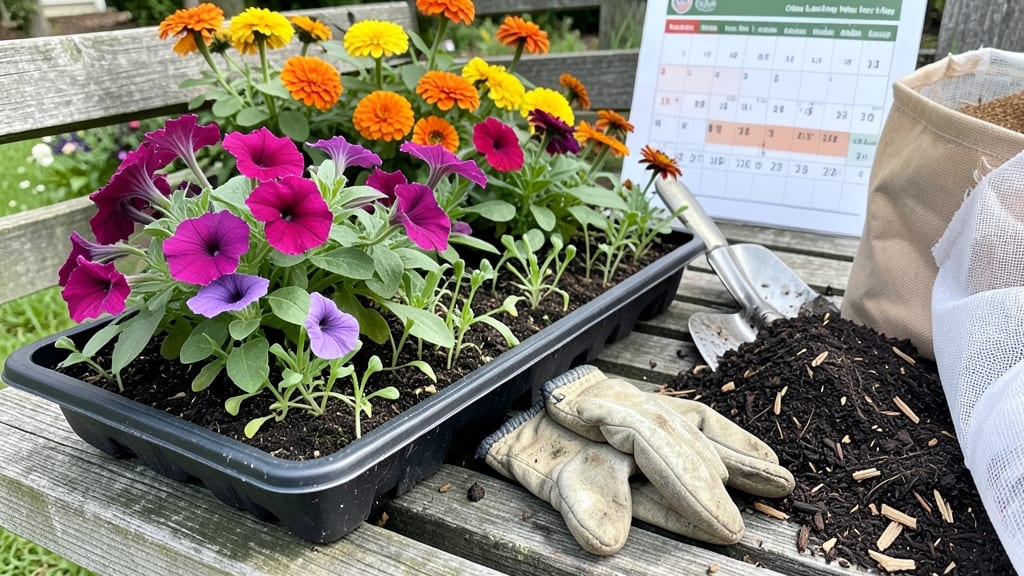
If you’ve ever wondered when it is safe to plant flowers in Ohio after watching your 🌸 blooms wilt overnight from an unexpected frost, you know the state’s unpredictable weather can turn hopeful gardeners into second-guessers.
The answer isn’t waiting until summer—it’s mastering the frost-free date for your specific zone, whether you’re in Columbus or Cleveland.
For most of Ohio’s 6a zone, the safest window to plant flowers after last frost stretches from mid-April to early May, but rural areas may need to wait a week longer.
Cool-season blooms like pansies can handle light frosts, while heat-lovers like zinnias demand warmer soil—so timing matters more than you’d think.
I’ll break down how to use Ohio’s frost-free date calculator, adjust for microclimates, and pick the perfect flowers for your yard. No more guessing games—just vibrant blooms from June through October.
Ready to transform your garden? Let’s dive into the exact steps to plant with confidence, no frost damage in sight.
Ohio’s frost-free date zones: when to plant flowers by region
Ohio spans USDA hardiness zones 5a through 6b, meaning frost dates vary dramatically from northern to southern regions. In zone 5a (northwest Ohio), gardeners typically wait until mid-May for safe planting, while zone 6b (southwest Ohio) often sees frost-free conditions by early April.
These differences matter because cool-season flowers like pansies thrive when planted 4–6 weeks before last frost, while warm-season favorites like marigolds need soil temperatures above 60°F.
Urban areas like Columbus and Cleveland often experience earlier frosts due to lake effects, while rural zones may have 5–7 days longer frost-free windows. For example, Toledo (zone 6a) averages a last frost date of April 15, but Youngstown (zone 5b) might not be frost-free until May 1.
Microclimates near large bodies of water or urban heat islands can shift these dates by 1–2 weeks.
To find your exact zone, use the USDA Plant Hardiness Zone Map or Ohio-specific tools like the Ohio State University Extension’s frost date calculator. These tools account for historical data and local variations, giving you a personalized planting window.
For instance, if you’re in Cincinnati (zone 6b), you might plant tulip bulbs in October but wait until mid-April for annuals.
Here’s how Ohio’s frost-free dates break down by region, including urban vs. rural differences and ideal planting windows for spring flowers:
Pro tip: Use the Old Farmer’s Almanac or NOAA’s frost probability maps to check 10-day forecasts before planting. If the forecast shows a 10% chance of frost in the next week, it’s generally safe to proceed.
For container-grown flowers, you can plant 2–3 weeks earlier since pots warm up faster than soil.
Ohio’s first frost typically arrives between October 15 and November 1, depending on the zone. This means fall-planted flowers like mums or asters should go in by mid-September to establish roots before winter. For perennials and bulbs, aim to plant by late September to avoid freeze damage.
If you’re unsure about your exact frost dates, consider planting heat-loving flowers like zinnias or sunflowers in biodegradable pots
How to calculate your exact planting window for Ohio flowers
Ohio’s last frost dates vary by zone, but even within a zone, your microclimate (like urban heat islands) can shift planting times by weeks. Start by checking your USDA hardiness zone—most of Ohio falls between 5a and 6b—then adjust for local conditions like elevation or proximity to lakes.
Use trusted tools like the Old Farmer’s Almanac frost calculator or NOAA’s local climate data to pinpoint your average last frost date. For example, Columbus typically sees its last frost around April 15, while Cleveland’s is closer to May 1.
Add a 2-week buffer for safety—this accounts for late frosts and gives seedlings time to establish roots.
Next, categorize your flowers by temperature preferences. Cool-season flowers like pansies and snapdragons can handle light frosts and often thrive when planted 4–6 weeks before the last frost. Warm-season flowers, such as marigolds and zinnias, need soil temperatures above 60°F and should wait until 2 weeks after your last frost date.
📋 Step-by-Step Planting Window Guide for Ohio
- Step 1: Find your USDA zone and last frost date using tools like Old Farmer’s Almanac or NOAA.
- Step 2: Subtract 2 weeks from your last frost date for warm-season flowers (e.g., May 15 for Cleveland).
- Step 3: Add 4–6 weeks before your last frost date for cool-season flowers (e.g., March 1 for Columbus).
- Step 4: Test soil temperature with a thermometer—50°F+ for most flowers, 60°F+ for warm-season varieties.
- Step 5: Monitor weekly forecasts and adjust planting if late frosts are predicted.
Don’t forget to harden off seedlings if starting indoors. Gradually expose them to outdoor conditions over 7–10 days before planting to avoid shock. For container-grown flowers, wait until nighttime temperatures consistently stay above 50°F—this is especially critical for tender perennials like geraniums or petunias.
Ohio’s fall planting window for bulbs and perennials opens in September, giving roots time to establish before winter. Use a soil thermometer to aim for 60°F soil temps—this ensures bulbs like tulips and daffodils won’t rot. Mulch heavily after planting to insulate roots from freeze-thaw cycles.
Pro tip: Bookmark the Ohio State University Extension’s planting calendar for real-time updates on pest risks and disease alerts. Their local agents also offer free soil tests to check pH and nutrient levels, which can impact planting timing for acid-loving flowers like azaleas or hydrangeas.