
Plants
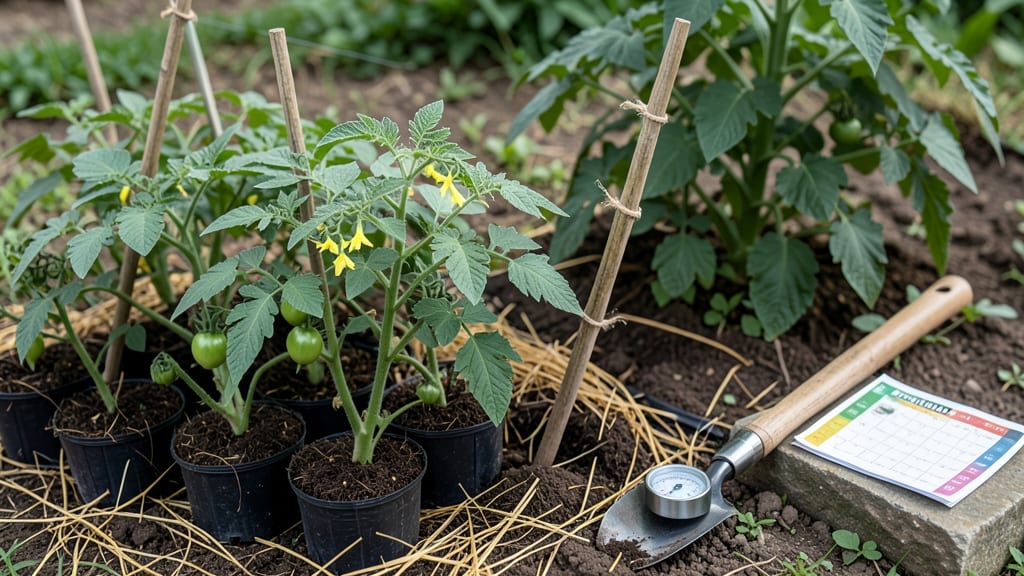
Knowing when is it too late to plant tomatoes in Ohio could mean the difference between a bountiful harvest and a sad, frost-nipped disappointment. Ohio’s 6a zone gives us just 165 frost-free days, so timing is everything—especially when you’re staring at those last seed packets in June.
Most gardeners aim to plant tomatoes between April 15 and June 1, but life happens. If you missed the ideal window, don’t panic—there’s still hope. The key lies in choosing fast-maturing varieties, protecting young plants, and understanding your soil’s warmth.
With the right approach, you might still salvage a harvest before Ohio’s first frost hits around October 20.
In this guide, I’ll break down Ohio’s last safe planting dates by zone, highlight the fastest-maturing tomato varieties that can still thrive, and share tricks like row covers and soil warmers to stretch your growing season.
Whether you’re a first-time gardener or a seasoned pro, these tips will help you decide: Is it worth planting late, or should you wait until next spring?
Let’s dive into the numbers—because in Ohio, every day counts when it comes to growing 🍅.
Ohio’s last safe planting dates by hardiness Zone (with frost risk analysis)
Ohio spans USDA zones 5-7, but your exact last frost date varies dramatically—from early April in southern zones to late May in the north. For tomatoes, which need at least 60 days of warm weather to mature, timing is critical.
Plant too late, and you risk unripe fruit before the first frost, which typically hits Ohio between October 15-20.
In Zone 5 (northwest Ohio), your window closes by June 15 for most varieties. Zone 6 (central Ohio) can push it to July 1, while Zone 7 (southwest Ohio) might squeeze in a July 15 planting.
These dates assume direct sowing—transplants can extend your deadline by 2-3 weeks since they’re already established.
Here’s the frost risk breakdown by zone, based on Ohio’s 30-year averages:
For Zone 5 gardeners, planting after June 15 means accepting a 50%+ chance of frost before harvest. Even in Zone 7, July plantings risk smaller yields and disease pressure from warm, humid late-summer conditions.
Use these dates as your absolute deadline, but factor in your soil temperature—tomatoes need 60°F+ soil to germinate.
If you’re in northern Ohio (Zone 5) and miss the June 15 cutoff, don’t despair. Container growing or row covers can buy you 2-4 extra weeks of growing time. I’ve had success with determinate varieties planted in early August under protective covers, yielding pint-sized tomatoes before frost.
These won’t be your prize-winning beefsteaks, but they’re still nutritious and delicious.
Pro tip: Check Ohio State University’s Frost Probability Calculator for your exact location. It accounts for microclimates (e.g., urban heat islands or low-lying areas) that can shift your frost date by 1-2 weeks.
For example, Columbus (Zone 6) might have a July 10 cutoff, while a rural area 20 miles north could be June 25.
Soil temperature is just as critical as air temperature. Use a soil thermometer to confirm your garden bed is 60°F+ before planting. Cold soil delays germination by days or weeks, shrinking your already tight window.
If your soil is still chilly in June, try black plastic mulch or straw bales to warm it up faster—these can raise soil temps by 5-10°F within days.
Remember: Indeterminate varieties (like 'Sungold' or 'Brandywine') need the full 80-90 days to maturity, while determinate types (like 'Roma' or 'Celebrity') can mature in 60-70 days.
If you’re pushing the deadline, determinate tomatoes are your best bet—they produce all their fruit at once, so you’re more likely to harvest before frost. Plus, they’re bushier and sturdier, handling late-season winds better.
For a real-world example, my neighbor in Zone 6 planted 'Early Girl' tomatoes on July 5 last year. With row covers and daily watering, she harvested 12 pounds of tomatoes by October 10—just 10 days before frost.
The trade-off? Her plants were smaller and more disease-prone, but the harvest was still worth it.
Fast-maturing tomato varieties that can still thrive in late plantings
When you’re pushing Ohio’s planting limits, choosing the right tomato variety makes all the difference. Fast-maturing varieties can still produce plentiful harvests even when planted in June or early July.
These varieties typically mature in 50-60 days, giving them enough time to fruit before Ohio’s average first frost in late October.
Look for determinate varieties (bush types) when planting late—they set fruit quickly and ripen all at once. Indeterminate types (vining) may not have enough time to produce heavy yields, but some heat-tolerant varieties can still perform well. Prioritize disease-resistant strains too, since late-season humidity increases fungal risks like blight.
Here are my top 5 fast-maturing varieties for Ohio’s late plantings, ranked by reliability and flavor:
- Early Girl (52 days) – Classic indeterminate with heat tolerance and disease resistance. Produces red, medium-sized tomatoes perfect for slicing.
- Solar Fire (50 days) – Determinate with orange-red fruit and sweet flavor. Thrives in hot, dry conditions and resists cracking.
- Stupice (55 days) – Indeterminate with cherry-sized tomatoes that ripen in clusters. Handles late-season heat and humidity better than most.
- Mountain Merit (55 days) – Determinate with large red tomatoes and blight resistance. Ideal for container growing if space is limited.
- Celebrity (60 days) – Determinate with consistent yields and crack-resistant fruit. A tried-and-true choice for late plantings.
For container growing, prioritize bush varieties like Patio Princess (60 days) or Tiny Tim (49 days). These compact types thrive in 5-gallon pots and can be moved to protected spots if frost threatens. Always check seed packets for "early maturing" labels—these are your best bet for late starts.
Pro tip: Pair late plantings with black plastic mulch to warm soil faster and extend the season. If you’re planting in July, focus on cherry tomatoes or small slicers—they’ll ripen before larger varieties.
Remember, even fast varieties need consistent care. Water deeply in the morning to prevent fungal diseases, and fertilize lightly with a balanced 10-10-10 mix every 3-4 weeks to avoid overfeeding stressed plants.