
Flowers
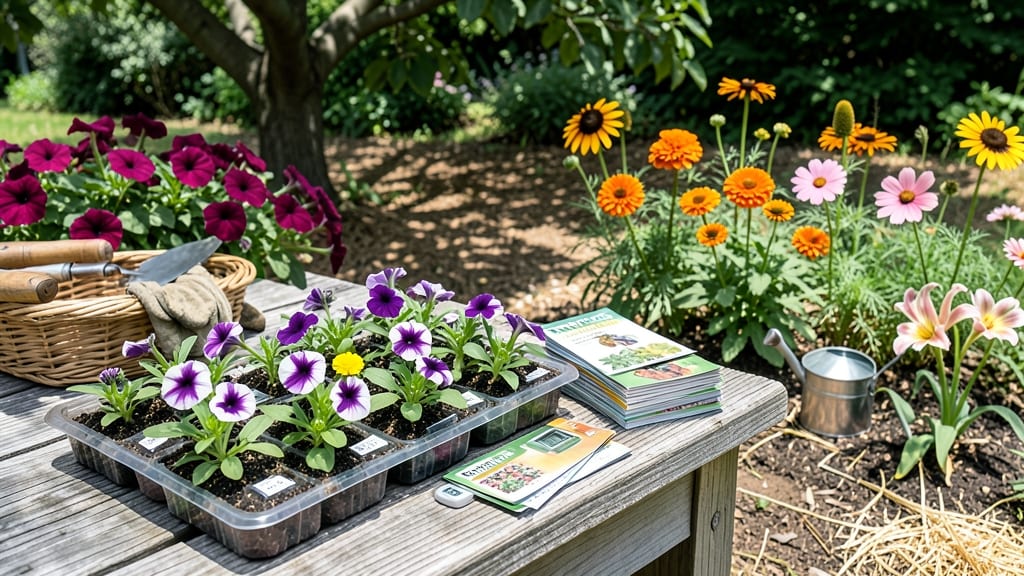
Timing your flowers planting in Ohio isn’t just about avoiding frost—it’s the secret to vibrant blooms that last all season. With Zone 6a’s unpredictable swings from chilly nights to sudden heatwaves, getting it right means the difference between wilted petals and a garden bursting with 🌸 color.
Most gardeners assume "spring" is the only window, but Ohio’s climate actually offers two prime planting opportunities: early spring (after your last frost around April 15) and early fall (6-8 weeks before frost). This dual approach lets you enjoy continuous blooms from summer through autumn—something many miss.
I’ll show you exactly when to plant annuals (like impatiens), perennials (like coneflowers), and bulbs (like tulips) for bold, long-lasting results. Whether you’re in Columbus, Cincinnati, or Toledo, these Ohio-specific tips will help you beat common mistakes and create a garden that thrives.
Ready to transform your yard into a nonstop floral show? Let’s dive into the perfect planting schedule that works with Ohio’s unique growing seasons—not against them.
Ohio flower planting calendar: exact months for annuals, perennials, and bulbs by Zone 5-6
Ohio’s Zone 5-6 climate means your flower planting schedule hinges on two critical dates: the last spring frost (typically mid-April) and the first fall frost (usually mid-October). While these dates vary slightly across cities like Columbus, Cincinnati, and Toledo, this calendar keeps your blooms thriving year-round.
For annual flowers, timing is everything—plant too soon, and frost will kill tender seedlings. For perennials, early spring or fall planting gives roots time to establish before extreme temperatures.
And bulbs? They have their own rhythm, often planted in fall for spring blooms or early spring for summer color.
Here’s your month-by-month guide to planting flowers in Ohio, broken down by flower type and regional considerations:
| Month | Annuals | Perennials | Bulbs | Notes |
|---|---|---|---|---|
| February | Start indoor seeds (e.g., petunias, snapdragons) | Plant hardy perennials (e.g., peonies, lavender) | None | Use grow lights for seedlings; soil is still frozen. |
| March | Transplant seedlings outdoors (if no frost risk) | Divide overcrowded perennials (e.g., daylilies) | Plant spring-blooming bulbs (e.g., tulips, daffodils) | Wait until soil warms to 50°F for annuals. |
| April | Best month for frost-sensitive annuals (e.g., marigolds, zinnias) | Plant new perennials (e.g., coneflowers, black-eyed Susans) | None (spring bulbs already planted) | Use row covers for late frosts in northern Ohio. |
| May | Plant heat-loving annuals (e.g., sunflowers, cosmos) | Mulch established perennials to retain moisture | Plant summer-blooming bulbs (e.g., dahlias, cannas) | Soil temps should be 60°F+ for best growth. |
| September | Sow cool-season annuals (e.g., pansies, sweet alyssum) | Divide perennials for fall planting | Plant fall-blooming bulbs (e.g., crocus, hyacinths) | Avoid planting tender annuals too late—frost can strike by October. |
| October | None (too late for annuals) | Plant spring-blooming perennials (e.g., bleeding heart) | Plant spring bulbs (e.g., tulips, daffodils) | Soil should be 60°F+ for bulb roots to grow. |
Ohio’s regional variations matter—Columbus and Cincinnati typically have earlier last frosts than Toledo, which sits in Zone 6a. Use local frost date apps like Old Farmer’s Almanac to fine-tune your schedule. For example, Toledo gardeners might plant annuals 1-2 weeks later than those in southern Ohio.
Don’t overlook fall planting
5 Signs you’re planting flowers at the perfect time in Ohio (and 3 mistakes to avoid)
Ohio gardeners know timing is everything—especially when frost can sneak back in April or heat waves arrive earlier than expected. But how do you know when your flowers are truly ready to go in the ground?
The answer lies in soil temperature, weather patterns, and subtle plant signals most gardeners overlook. I’ll share my top 5 signs your garden is primed for planting, plus the 3 mistakes that derail even experienced Ohio growers.
First, check your soil temperature—it’s the #1 indicator. Most annual flowers like marigolds and petunias need soil at 60°F or warmer. Use a soil thermometer (or press your hand into the ground—if it’s too cold for your comfort, it’s too cold for seeds!).
In Zone 5-6 Ohio, this typically aligns with mid-to-late May, but microclimates near Cincinnati’s urban heat islands may warm up 2 weeks earlier.
Next, watch for pest activity. When you spot earthworms crawling on the surface or bees buzzing around early blooms like crocuses, it’s nature’s cue that spring has truly arrived.
These signs mean the soil is warmer and moisture levels are stable—ideal for transplanting perennials like coneflowers or black-eyed Susans.