
Plants
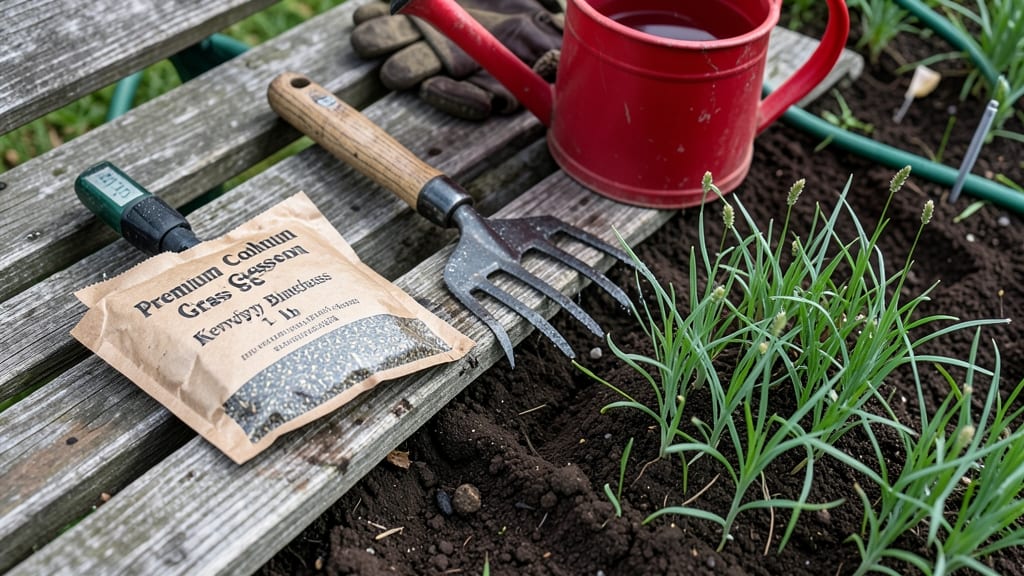
Timing your spring grass planting wrong can mean throwing money away on seeds that never sprout—or worse, watching your lawn struggle for years. In USDA Zone 6, where frost lingers until mid-April, planting too early risks seed damage, while waiting too long lets weeds steal the show.
The perfect window isn’t just about dates; it’s about soil warmth, moisture, and knowing when to act.
Here’s the secret: Grass (Lawn) 🌱 thrives when soil hits 55°F—not air temperature, but the ground’s warmth. That means checking your yard’s readiness with a simple thermometer (yes, really!) and avoiding the 30-day frost-free rule that trips up beginners.
I’ll show you exactly how to read your climate’s signals, whether you’re in the chilly Midwest or a milder Southern edge of Zone 6.
You’ll also discover the two critical mistakes that kill germination before it starts—plus how to prep your soil like a pro. No more guessing games: just a step-by-step checklist to turn your spring planting into a flawless lawn by summer. Let’s get your grass off to the right start.
Ready to ditch the trial-and-error? The best time to plant isn’t a fixed date—it’s a science you can master. I’ll break it down so you can plant with confidence, whether you’re seeding a new yard or reviving an old one. Your future lawn will thank you.
Ideal soil temperature and frost-free timeline for spring grass planting
Timing your spring grass planting right isn’t just about the calendar—it’s about soil temperature and frost-free days. Cool-season grasses like fescue and ryegrass need soil temps between 50–65°F, while warm-season types like Bermuda and Zoysia thrive at 65–75°F.
Planting too early risks frost damage, while waiting too late invites weed competition. Let’s break down the science behind perfect timing.
First, check your local frost dates. Aim to plant 4–6 weeks after the last frost, when nighttime temps stay above 40°F. For example, in USDA Zone 6, this typically falls in late April to early May.
Use a soil thermometer to confirm readiness—cool-season grasses need 55°F+ for 5+ days straight before planting.
Here’s the key: soil temperature matters more than air temperature. A chilly morning might hide warm soil beneath. Test your soil at 4-inch depth (where roots grow) in the late afternoon for the most accurate reading.
If it’s below 50°F, wait—your seeds will just sit there, waiting for the right conditions.
For warm-season grasses, the window narrows further. These varieties need consistent warmth to germinate, so hold off until late spring (or early summer in hotter zones). Planting them too early can lead to dormancy or even seed rot in damp, cool soil.
Don’t forget about rainfall patterns. Spring showers can delay planting if the ground stays soggy. Aim for moderate moisture—not bone-dry, not waterlogged. A simple soil moisture test (squeeze a handful—if it crumbles, it’s ready) works better than guessing.
Pro tip: Overseeding in fall (for cool-season grasses) often yields better results than spring planting, but if you’re committed to spring, prioritize early morning planting to reduce heat stress on seeds. Shade the area lightly for the first 24 hours to keep seeds cool and moist.
🌱 Spring Grass Planting
Ideal soil temperature and frost-free timeline for spring grass planting
Your spring grass planting success hinges on two critical factors: soil temperature and frost-free days. Cool-season grasses like tall fescue and Kentucky bluegrass need soil between 50-65°F, while warm-season types like Bermuda or Zoysia prefer 65-75°F.
Most gardeners in USDA Zone 6 focus on cool-season varieties, so aim for 55°F+ soil—not air temperature!
Testing soil warmth is simple: use a soil thermometer (or even a meat thermometer) to check 2-3 inches deep. If it’s below 50°F, wait—cold soil slows germination and invites rot.
Pro tip: Morning is best for testing since soil cools overnight. For Zone 6, this usually means waiting until mid-April or later, depending on your microclimate.
Don’t rely on frost dates alone! Even after the last frost, soil may still be too cold. The 30-day frost-free rule is a common mistake—I’ve seen seeds planted too early only to rot from lingering dampness. Instead, track consecutive warm days (5+ days above 60°F) before seeding.
| Grass Type | Ideal Soil Temp | Frost-Free Days Needed | Zone 6 Planting Window |
|---|---|---|---|
| Cool-Season (Fescue, Bluegrass) | 50-65°F | 21+ days | Mid-April to early May |
| Warm-Season (Bermuda, Zoysia) | 65-75°F | 14+ days | Late May to June |
| Ryegrass (Fast Germination) | 45-60°F | 14+ days | Early April (high-risk) |
Once soil hits the right temp, act fast! Seeds should germinate within 7-21 days, but weeds move in quickly if you delay. For Zone 6, I recommend planting 4-6 weeks after last frost—this aligns with soil warming and reduces frost risk.
Track your local Almanac’s frost dates but verify with your own soil tests.
Post-planting, monitor for uniform greening. If patches stay brown, it’s often uneven soil warmth or drought stress. Keep seeds moist (not soggy) with daily light watering until sprouts appear. A sprinkler with fine mist works best—avoid heavy streams that wash seeds away.
Remember: Spring planting in Zone 6 is a race against weeds and weather. By mastering soil temp and frost-free timing, you’ll give your grass the competitive edge it needs to dominate before summer heat sets in. Your lawn’s future starts now—literally, in the dirt! 🌱