
Plants
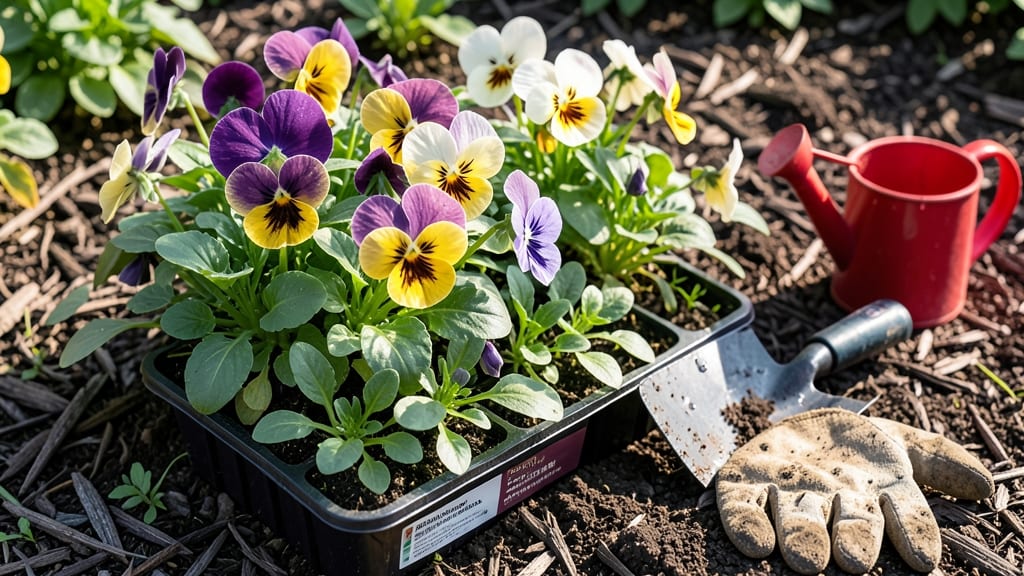
Georgia pansy planting calendar: optimal dates by hardiness Zone (7a vs. 8a)
Pansies thrive in Georgia's mild winters but need precise timing to avoid heat stress or frost damage. In Zone 7a, the average last frost date is November 15, while Zone 8a can push planting until December 1.
These windows create the perfect balance for root establishment before winter chill sets in.
For fall planting, aim to get pansies in the ground 6-8 weeks before frost.
This means late August to early October for Zone 7a and early September to mid-November for Zone 8a. Spring planting follows a similar rule: 4-6 weeks before last frost, or February to early March in both zones.
Microclimates matter! Atlanta's Zone 7b climate differs from Savannah's Zone 8a coastal warmth. If you're near the coast, you can plant 2-3 weeks later than inland areas. Use your local Cooperative Extension Service frost maps for precision.
| Zone | Fall Planting Window | Spring Planting Window | Soil Temp Threshold | Key Consideration |
|---|---|---|---|---|
| 7a (Atlanta, Athens) | Late August - Early October | Early February - Mid-March | 50-60°F | Earlier frost risk |
| 8a (Savannah, Macon) | Early September - Mid-November | Mid-February - Early April | 55-65°F | Warmer winters extend window |
Soil temperature is critical for pansy success. Wait until soil reaches 50-60°F in Zone 7a or 55-65°F in Zone 8a. Use a soil thermometer to check—cold soil slows root growth and increases disease risk. If planting in August, use shade cloth to protect young plants from heat stress.
Everblooming pansy varieties like 'Cool Wave' handle Georgia's heat better than traditional types. These hybrids tolerate short summer heat spells (up to 85°F) but still need afternoon shade during peak summer. For maximum blooms, plant everbloomers in September instead of spring.
Pro tip: Plant pansies in containers or raised beds if your yard has hot microclimates. These provide better drainage and let you move plants to shadier spots during summer. Just ensure containers have drainage holes to prevent root rot from Georgia's humid summers.
For winter survival, mulch with 2-3 inches of straw after planting. This protects roots from temperature swings that occur in both zones. In Zone 7a, expect 20-30°F dips, while Zone 8a rarely drops below 25°F—still cold enough to damage unprotected pansies.
Remember: Pansies planted too late in fall may bolt to seed before winter, while spring plantings risk heat stress if summer arrives early. Use these zone-specific windows to ensure vibrant blooms from fall through spring with minimal maintenance.
🌸
How to extend pansy blooms in Georgia: season-long care tips for zones 7a & 8a
Once you've planted your pansies at the perfect time, the real magic happens in the season-long care that keeps them blooming from fall to spring. In Georgia's humid subtropical climate, pansies face unique challenges like summer heat stress and fungal diseases from afternoon humidity.
The key is balancing watering discipline, shade protection, and nutrient timing to match Georgia's two distinct growing seasons.
Start with proper mulching—a 2-3 inch layer of straw or shredded leaves conserves moisture while insulating roots during mild winter freezes (common in Zone 7a). This simple step can extend blooms by 3-4 weeks by preventing soil temperature swings.
I've found that organic mulch also slowly releases nutrients, reducing the need for frequent fertilizing.
Fertilizer Strategy
Georgia's summer heat (June-August) is pansies' biggest enemy, causing them to bolt prematurely or develop powdery mildew. My solution? Install 30% shade cloth over beds during peak afternoon sun (1 PM–5 PM).
This reduces leaf temperature by 10-15°F while still allowing 4-6 hours of morning sunlight—perfect for partial shade lovers like pansies.
Watering requires precision in our climate. Overwatering in humid summers leads to root rot, while underwatering causes bud drop. I water deeply every 5-7 days at dawn using a soaker hose to deliver 1 inch of water directly to roots.
The morning schedule prevents fungal spores from splashing onto leaves—a common issue in Georgia's afternoon humidity.
Don't overlook deadheading, which tricks pansies into continuous blooming. Snip spent flowers just above the next set of leaves using clean pruners every 7-10 days. This simple task extends the blooming season by up to 8 weeks by redirecting energy to new buds.
I've seen Majestic Giant varieties produce three flushes of blooms with consistent deadheading.
For winter survival in Zone 7a, add a lightweight row cover during hard freezes (below 20°F). This creates a 5°F warmer microclimate without smothering plants. In Zone 8a, pansies often self-seed—let some flowers go to seed to ensure next year's volunteer blooms.
With these care tweaks, your pansies will reward you with colorful displays from October through April.