
Plants
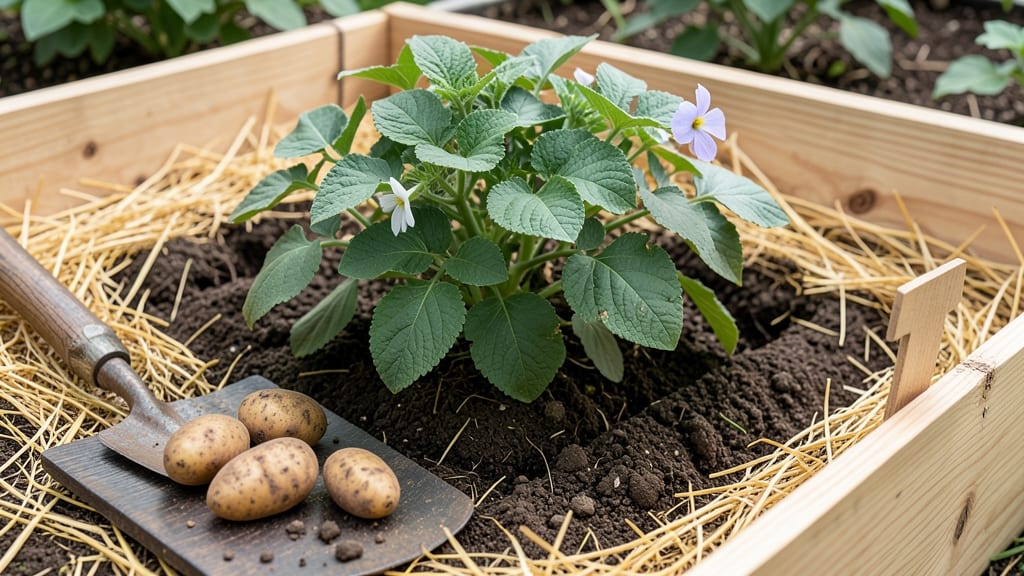
If you've ever wondered when is the best time to plant potatoes in Ohio, the answer likely lies in timing. Planting potatoes at the wrong moment—whether too early or too late—can mean the difference between a thriving garden and wasted effort.
Ohio’s Zone 6a climate gives gardeners a narrow window to get potatoes in the ground just right. The best time to plant falls between early spring and mid-spring, typically 2-4 weeks before the last frost date (around mid-April for most of the state).
But with unpredictable weather, knowing how to adjust your schedule is key.
In this guide, I’ll break down the optimal planting timeline for Ohio’s microclimates, including when to plant early, mid-season, and late varieties. You’ll also discover how to prepare your soil and adapt for late frosts or early heat—so you can maximize your harvest from mid-summer to early fall.
Whether you’re a seasoned gardener or just starting, these insights will help you avoid common mistakes and grow potatoes that are plump, disease-resistant, and ready to harvest at the perfect moment.
Ohio potato planting timeline: frost-free dates by region and variety type
Ohio’s diverse microclimates mean planting times can vary by 1-2 weeks between regions. For most of the state, aim to plant seed potatoes 2-4 weeks before your last spring frost date, typically between late March and mid-April.
Northern Ohio (USDA Zone 5) may need to wait until mid-April, while southern Ohio (Zone 6) can start as early as late February in ideal conditions.
Soil temperature is critical—potatoes sprout best when soil reaches 45°F (7°C). Use a soil thermometer to confirm readiness, especially in unpredictable Ohio springs. Cold, wet soil can stunt growth or invite disease, so don’t rush planting if conditions aren’t right.
Ohio’s growing season averages 165 frost-free days, but this shrinks in northern areas. Early varieties (like 'Yukon Gold') mature in 60-90 days, while late varieties (like 'Kennebec') need 100-120 days. Match your variety to your region’s frost dates to avoid blight or frost damage.
| Region | Last Frost Date | Ideal Planting Window | Best Varieties | Frost Risk |
|---|---|---|---|---|
| Northern Ohio (Zone 5) | Mid-April | Late March–Mid-April | Early: 'Red Norland', 'Kennebec' | High (late frosts common) |
| Central Ohio (Zone 6) | Early April | Late February–Early April | Mid-season: 'Yukon Gold', 'Russet' | Moderate |
| Southern Ohio (Zone 6-7) | Late March | Late February–Late March | Late: 'Purple Viking', 'Sweetheart' | Low |
Note: Adjust for 2-3 weeks earlier in microclimates (e.g., urban heat islands, south-facing slopes).
For fall planting, Ohio’s mild winters allow a second crop in late July–early August for varieties like 'Red LaSoda'. Plant 4-6 weeks before first frost (typically mid-September) to ensure tubers mature before cold sets in. Fall potatoes need 90-100 days to harvest, so plan accordingly.
Use frost dates as guidelines, not rules. Check local almanacs or Ohio State University Extension for your county’s specific averages. In 2023, for example, Toledo’s last frost was April 22, while Columbus averaged April 10—a 12-day difference that matters for potatoes.
Pro tip: Chit your seed potatoes (sprout them indoors in sunlight) 4-6 weeks before planting to jumpstart growth. This gives you a 2-week head start on slower-starting varieties in cooler regions.
If you’re unsure about frost dates, use frost cloth for early plantings. It adds 2-4°F protection and can extend your planting window by 1-2 weeks in high-risk areas like northern Ohio.
Remember: Soil prep is half the battle. Work in compost or aged manure before planting to improve drainage—a must for Ohio’s clay-heavy soils in many areas. Aim for well-draining, loose soil to prevent rot.
🌱
How to adjust planting time for Ohio’s unpredictable spring weather
Ohio’s spring weather can be as unpredictable as a whimsical breeze, making potato planting a high-stakes game of chance. Late frosts in April or chilly soil temperatures can stall growth, while sudden warm spells might trick you into planting too early.
The key is flexibility—adjusting your schedule based on soil warmth, frost forecasts, and even backup plans for container growing if the ground stays too cold.
If your soil temperature hovers below 45°F (7°C), your seed potatoes will rot before sprouting. Use a soil thermometer to check—plant only when the ground consistently stays above this threshold.
In colder northern Ohio regions, this might mean waiting until late April, while southern Ohio gardeners could start as early as mid-March. Frost cloth is your best friend during these transitional weeks—it buys you 2-4 weeks of extra planting time by protecting tender shoots from unexpected freezes.
⚠️ WARNING: Late Frost Risks
Planting too early risks frost damage to foliage, stunting growth. Northern Ohio sees last frosts as late as May 1, while southern Ohio averages April 15. Use frost dates as a guideline, not a rule—check 7-day forecasts before committing to planting.
Pro Tip: If frost is forecasted within 48 hours of planting, delay by 1-2 weeks or use row covers for protection. 🌱
For gardeners in urban areas or with limited outdoor space, container growing is a lifesaver. Fill large pots (at least 12 inches deep) with well-draining soil and plant seed potatoes 2-3 weeks earlier than your outdoor schedule.
Containers warm up faster in spring, giving you a head start. Just ensure pots get full sun (6+ hours) and use self-watering trays to prevent moisture stress.
If spring delays push your planting window past May 15, opt for late-maturing varieties like Kennebec or Russet Burbank, which can tolerate shorter growing seasons. These varieties need 100-120 days to mature, so they’ll still yield well if planted by early June.
Pair this with extended-season row covers to trap heat and accelerate growth.
💡 Backup Plan: Succession Planting
If your first planting fails due to frost or cold soil, succession plant 2-3 weeks later. Choose early-maturing varieties (e.g., 'Red Norland') for a second harvest. Space plantings 10-14 days apart to stagger yields.
Tool Tip: Use a planting calendar to track soil temps and frost risks—apps like 'Farmers’ Almanac' provide Ohio-specific forecasts. ✂️
Don’t forget to chit your seed potatoes 4-6 weeks before planting. Place whole potatoes in a bright, cool (60-70°F) location with the rose end up. Sprouts (chits) will emerge, giving you a 2-week head start on growth once planted.
This technique is especially useful if your spring is slow to warm up.
Finally, monitor your plants for blight warnings from Ohio State University Extension. Early blight thrives in wet, cool springs—if forecasts predict rain, consider fungicide sprays or copper-based treatments as a preventive measure. With these adjustments, you’ll turn Ohio’s unpredictable spring into a potato-growing advantage rather than a challenge. 🌿