
Plants
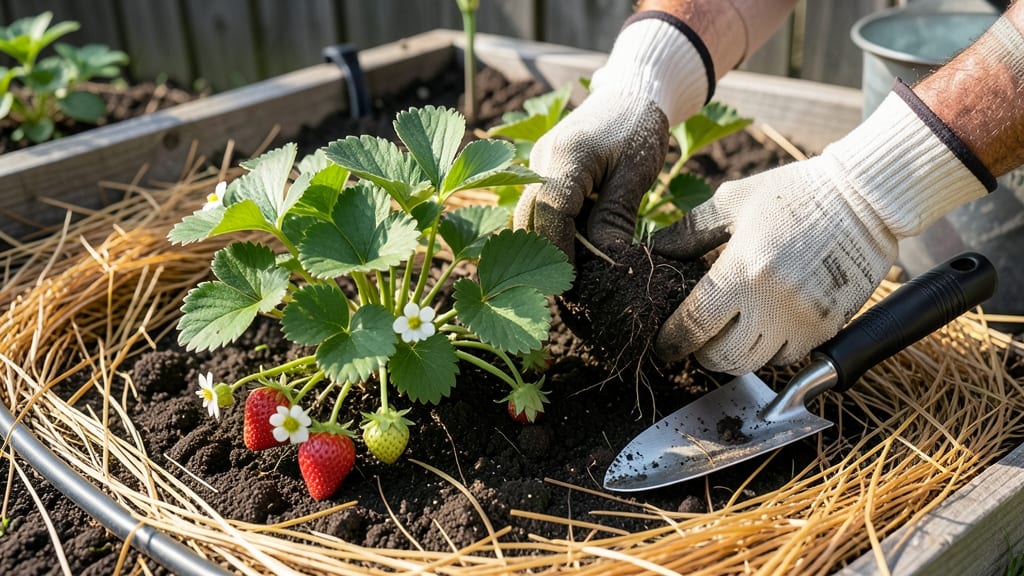
Florida’s 3 ideal strawberry planting months (with exact dates)
Florida’s frost-free climate might seem like a gardener’s dream, but it also creates unique challenges for strawberry growers. The key to success lies in planting during the coolest months when soil temperatures stay below 75°F—this prevents bolting (premature flowering) and ensures strong root establishment.
For most of Florida, the optimal window is October through December, but exact timing varies by region.
Northern Florida (Zones 8a-9a) can handle planting as early as mid-September to take advantage of cooler fall temperatures. Central Florida (Zones 9b-10a) thrives with October plantings, while South Florida (Zones 10b-11) benefits from November or December starts to avoid summer heat stress.
This regional approach minimizes heat-related bolting and maximizes yield potential.
Florida Strawberry Planting Timeline by Region
| Region | Best Planting Window | Soil Temp Goal (°F) | Key Consideration |
|---|---|---|---|
| Northern FL (Zones 8a-9a) | Mid-September to October | 55-70°F | Avoid late-season cold snaps |
| Central FL (Zones 9b-10a) | October to November | 65-72°F | Balances heat and humidity |
| South FL (Zones 10b-11) | November to December | 70-75°F | Extreme heat avoidance |
🌱 Pro Tip: Use a soil thermometer to confirm temps before planting—ideal range is 55-75°F.
Why these months? Strawberries bolt (send up flower stalks) when exposed to consistent temperatures above 80°F. Planting in cooler months ensures energy goes into root and leaf growth first, setting the stage for heavier fruit production in late winter or early spring.
For example, a December planting in South Florida will yield berries by February or March, just as summer heat ramps up.
If you miss the fall window, don’t despair—January and February are still viable months, especially in South Florida. However, avoid planting in summer (June-August) unless you’re using shade cloth and drip irrigation to protect plants from stress.
Summer plantings often result in smaller berries and higher pest pressure due to Florida’s humid conditions.
For container growers, timing is slightly more flexible. You can plant year-round in containers as long as you provide adequate shade during summer afternoons. However, even container plants benefit from the cooler fall months for faster establishment.
Place pots in a south-facing location with afternoon shade to mimic ideal growing conditions.
One common mistake Florida gardeners make is planting too early in September in warmer zones. While the air might feel cool, soil temperatures can still exceed 75°F, triggering bolting.
Always check soil temp 1 inch below the surface—this is the critical factor, not air temperature. A soil thermometer is a $10 investment that saves hours of frustration.
After planting, focus on mulching with straw or pine needles to maintain even soil temperatures and suppress weeds. In North Florida, add a light frost cloth if temperatures dip below 30°F—though rare, these cold snaps can damage young plants.
For South Florida, prioritize shade cloth during summer months to prevent heat stress.
Remember: Florida’s long growing season means you can enjoy multiple harvests if you stagger plantings. For example, plant one batch in October and another in January to extend your harvest from February through May.
This strategy works especially well for everbearing varieties like ‘Sweet Charlie,’ which produce fruit in two flushes per year.
Finally, choose Florida-adapted varieties like ‘Florida Fortune’ or ‘Strawberry Festival’—these are bred to handle heat and humidity better than traditional June-bearing types. Pair your planting with well-draining soil and consistent moisture, and you’ll be rewarded with sweet, juicy berries that rival commercial varieties.
Florida’s 3 ideal strawberry planting months (with exact dates)
Florida’s frost-free climate lets you grow strawberries year-round, but timing matters to avoid bolting (premature flowering) and heat stress. The best 3-month window is October through December, when cooler temps and shorter days help roots establish before summer’s intensity.
Northern Florida (Zones 8a-9a) benefits from fall planting (October-November), while Central and South Florida (Zones 9b-11) can extend into early January. This timing ensures plants mature before spring heat spikes trigger bolting.
Here’s the exact breakdown by Florida region, including soil prep tips to maximize success:
| Region | Best Planting Window | Soil Temp Goal (°F) | Key Prep Step |
|---|---|---|---|
| North Florida (Jacksonville, Gainesville) | October 15 – November 30 | 65–75°F | Add compost to improve drainage |
| Central Florida (Orlando, Tampa) | November 1 – December 15 | 70–78°F | Use mulch to retain moisture |
| South Florida (Miami, Fort Lauderdale) | December 1 – January 15 | 75–80°F | Plant in shade cloth for first 2 weeks |
For spring planting (February–March), focus on everbearing varieties like ‘Sweet Charlie’—they tolerate Florida’s heat better than June-bearing types. Test soil pH (aim for 5.8–6.5) and amend with lime if needed.
Pro tip: Bare-root plants thrive in fall’s cooler soil, while potted plants give you flexibility for spring starts. Just avoid planting after March 15—summer’s heat will bolt your plants before fruiting.
Once planted, consistent watering (1 inch/week) and morning shade during peak summer (12–3 PM) keep berries sweet and plants productive. 🌱