
Plants
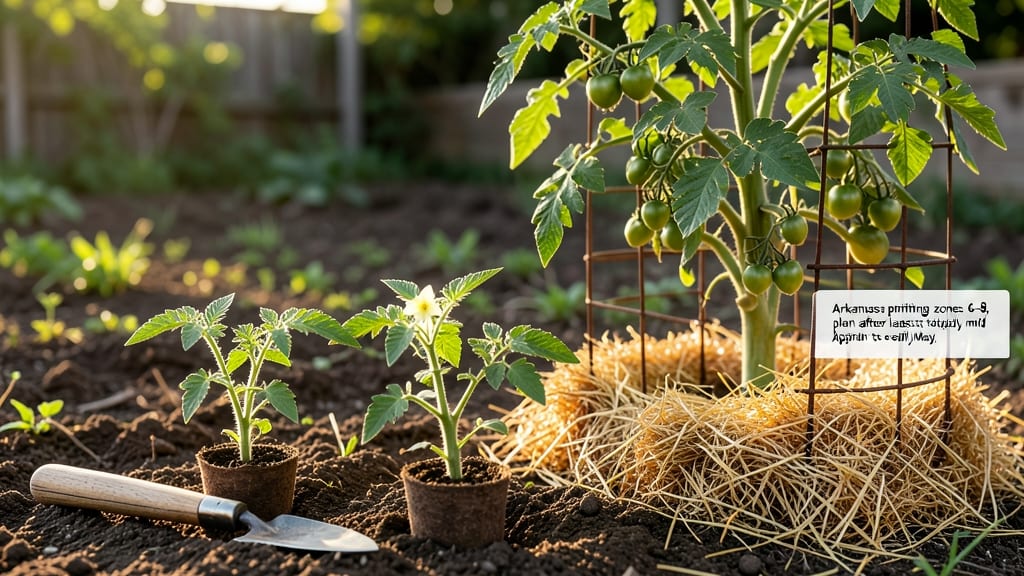
If you've ever wondered when is the best time to plant tomatoes in Arkansas, you know timing is everything.
The difference between a thriving harvest and a failed crop often comes down to when you put those seedlings in the ground—especially in zones 7a-8a, where heat and humidity play hard.
Planting too early risks frost damage, while waiting too long can leave your plants struggling in the oppressive summer heat.
But here's the good news: with the right schedule—mid-April to early June for spring or late July for fall varieties—you can outsmart Arkansas's climate and enjoy a bumper crop from June through October.
I've tested what works best in my own garden, and I'll share exactly how to time your plantings for maximum yield, including heat-tolerant varieties that thrive in 7a-8a.
Whether you're starting seeds indoors or sowing directly, these insights will help you avoid common mistakes and keep your tomatoes producing all season.
Ready to transform your garden? Let's dive into the exact months, soil conditions, and pro tips that'll give you the best tomato harvest Arkansas has to offer—no guesswork required.
Arkansas tomato planting calendar: exact months for frost-free success
Arkansas’s USDA Zones 7a-8a mean gardeners have a 210-day frost-free window, but timing is everything for tomatoes. Plant too early, and late frosts (around March 15) will kill tender seedlings.
Too late, and summer’s 90°F+ heat can stress plants before they fruit. The key? Soil temperature and nighttime lows—aim for 60°F soil and 50°F+ nights.
For Arkansas, the ideal planting window spans mid-April to early June for spring crops and late July for fall varieties. But don’t just rely on months—check your local frost dates (use the National Weather Service or Arkansas Cooperative Extension tools) and monitor soil warmth with a soil thermometer.
Here’s the game-changing breakdown of when to plant tomatoes in Arkansas, including soil temps, frost risks, and harvest timelines:
| Planting Stage | Timeframe | Soil Temp (°F) | Night Temp (°F) | Action | Harvest Window |
|---|---|---|---|---|---|
| Indoor Seed Start | 6-8 weeks before last frost (Feb 15 - Mar 1) | 65-75°F | 60-70°F | Sow seeds in trays | June - October |
| Transplant Outdoors | Mid-April - Early June (after last frost) | ≥60°F | ≥50°F | Hardening off seedlings | June - October |
| Direct Sow Outdoors | Late April - Early May (warmer regions) | ≥65°F | ≥55°F | Plant seeds 1/4" deep | July - October |
| Fall Varieties | Late July - Early August | ≥60°F | ≥50°F | Transplant heat-tolerant types | September - November |
Northern Arkansas (e.g., Fayetteville, Rogers) has a shorter growing season and should plant 2-3 weeks later than southern regions like Little Rock or Texarkana. Use black plastic mulch to warm soil faster in cooler areas—it can raise temps by 5-10°F.
Pro tip: Arkansas’s humidity (often 70-90%) increases disease pressure. Space plants 18-24 inches apart for airflow and avoid overhead watering to prevent early blight and septoria leaf spot.
If you’re in Zone 8a, you can even squeeze in a second fall crop by planting in late July.
For container growers, 5-gallon pots work well, but ensure pots have drainage holes and use lightweight potting mix. Containers heat up faster, so monitor soil moisture daily during Arkansas summers. Place pots on reflective surfaces (like white gravel) to reduce root stress from heat.
One common mistake? Planting too early and ending up with leggy, weak seedlings that bolt in the heat. If you start seeds indoors, use grow lights to prevent etiolation (stretched, weak stems). For direct sowing, wait until nighttime temps stay above 50°F—even a single 32°F night can kill seedlings.
Remember: Arkansas’s summer heat (often 95°F+) can stress tomatoes, but heat-tolerant varieties (like 'Arkansas Traveler' or 'Heatmaster') thrive here. Pair that with drip irrigation and afternoon shade cloth, and you’ll beat the heat while still getting a bountiful harvest.
Arkansas tomato planting calendar: exact months for frost-free success
Timing your tomato plantings in Arkansas is all about beating the last frost date (typically March 15 in most areas) while avoiding the oppressive summer heat. The ideal window spans from mid-April to early June for spring plantings, with a second chance in late July for fall varieties.
But don’t just follow dates—monitor soil temperatures (they should hit 60°F+) and nighttime lows (consistently above 50°F) before planting.
Northern Arkansas (zones 7a) has a slightly shorter growing season, so start seeds indoors by February 15 for transplants ready by April 15. Southern Arkansas (zones 8a) can plant outdoors as early as March 20 if conditions are right.
The key is balancing warm soil with cool nights—plant too early, and frost will kill seedlings; too late, and your plants will struggle in the heat.
| Stage | Action | Notes |
|---|---|---|
| Indoor Seed Start | Feb 15 - Mar 1 | Use grow lights; keep soil 70-80°F |
| Transplant Outdoors | Apr 15 - May 15 | Soil temp ≥60°F; night temps >50°F |
| Direct Sow Outdoors | Apr 30 - Jun 1 | Best for heat-tolerant varieties |
| Fall Varieties | Jul 20 - Aug 15 | Harvest before first frost (Nov 15) |
For a double harvest, try fall varieties like 'Celebrity' or 'Heatmaster' planted in late July. These heat-resistant types thrive in Arkansas’s summer and produce until the first frost in mid-November.
Just be sure to use black plastic mulch to warm the soil faster and extend the season by 2-3 weeks.
Pro tip: If you’re in zone 7a, opt for early-maturing varieties (55-65 days to harvest) to beat the heat. In zone 8a, you can push it with late-season varieties (70-80 days) planted in June. Always harden off seedlings for 7-10 days before transplanting to avoid shock.
Watch for false starts—Arkansas’s unpredictable spring weather can bring late frosts even after the official last frost date. Use frost cloth if temps dip below 40°F after planting. And remember: container gardening gives you flexibility to move pots indoors if a cold snap hits.
Once your tomatoes are in the ground, focus on consistent watering (1-2 gallons per plant daily in summer) and mulching to keep roots cool. With the right timing, you’ll enjoy fresh tomatoes from June through October—or even later with fall plantings!