
Plants
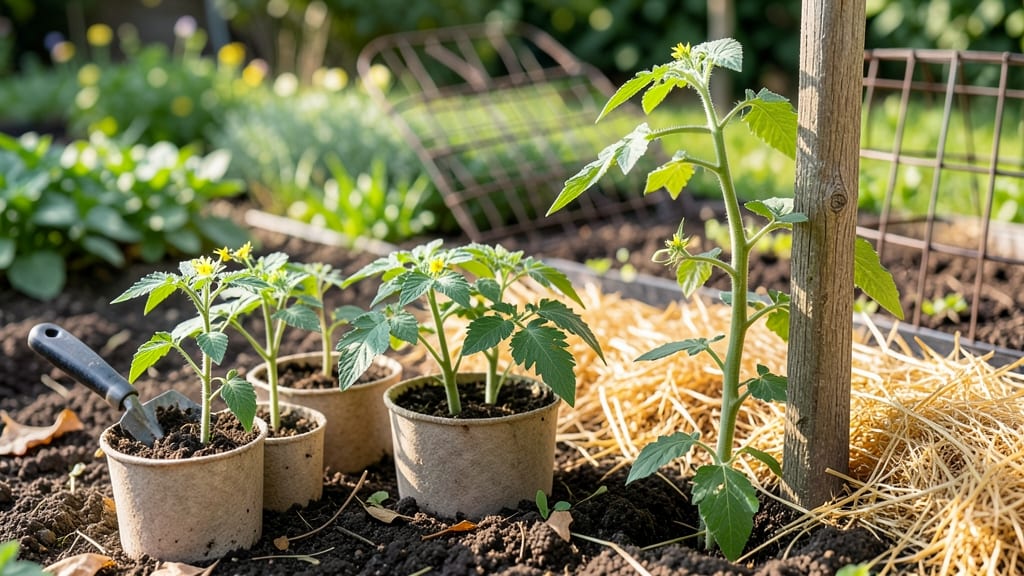
If you’ve ever stared at a seed packet wondering, “when is the best time to plant tomatoes in North Carolina?”—you’re not alone. Getting the timing right means the difference between a bountiful harvest and a sad, wilted 🍅 pile.
The good news? With NC’s 7a-8b zones, you’ve got two prime windows to work with, and missing them by even a week can throw off your whole season.
Most gardeners in North Carolina know spring is the classic time to plant tomatoes, but what they don’t always realize is that fall planting can actually give you a second harvest—if you time it just right.
The key is waiting until after the last frost (usually mid-March) and ensuring soil temps hit at least 60°F before sticking those seeds in the ground.
Here’s where it gets tricky: Your exact planting dates depend on whether you’re in the Piedmont, Coastal Plain, or Mountains, each with its own frost patterns.
I’ll break down the week-by-week schedule for each zone so you can avoid common mistakes—like planting too early and risking frost damage or too late and missing peak flavor.
Ready to turn your tomato dreams into reality? Let’s dive into the exact timing, soil prep, and variety tips that’ll have your plants thriving from March through October—no guesswork required.
North Carolina tomato planting calendar by USDA Zone: exact weeks to plant
North Carolina’s three main tomato-growing zones—7a, 7b, and 8a—each have unique frost dates and soil-warming patterns. Planting at the wrong time can lead to stunted growth or frost damage, so timing is everything.
Let’s break down the exact weeks to plant tomatoes in each zone, including when to start seeds indoors and transplant outdoors.
For Zone 7a (western NC mountains), the last frost typically occurs around April 15. In Zone 7b (Piedmont), it’s usually March 25–April 5, while Zone 8a (Coastal Plain) sees last frosts as early as March 1.
Soil temperature is the real key—tomatoes need soil that’s at least 60°F (15°C) to thrive.
Here’s your zone-specific planting timeline, including when to start seeds indoors and transplant seedlings outdoors for the best results. This table covers both spring and fall planting, so you can maximize your harvest year-round.
| Zone | Start Seeds Indoors | Transplant Outdoors | Direct Sow Outdoors | Fall Planting Window |
|---|---|---|---|---|
| 7a (Mountains) | March 1–15 | April 20–May 5 | May 10–20 | July 15–August 1 |
| 7b (Piedmont) | February 20–March 10 | April 1–15 | April 15–May 1 | June 20–July 10 |
| 8a (Coastal Plain) | February 1–15 | March 15–April 1 | March 20–April 10 | June 1–June 20 |
*Timing adjusts for microclimates—valleys may need later planting than ridges.
If you’re direct sowing (planting seeds straight into the garden), wait until the soil is consistently 60°F+ and all frost risk has passed. For transplants, harden off seedlings for 7–10 days before moving them outdoors to avoid shock.
In Zone 7a, consider using row covers or a mini greenhouse to extend your season.
For fall planting, aim to get seeds in the ground 8–10 weeks before the first frost. In Zone 8a, you can often push this to late July or early August, while Zone 7a may only allow for a July planting.
Fall tomatoes often produce sweeter fruit because cooler nights slow growth, concentrating sugars.
Pro tip: Use a soil thermometer to check temperatures before planting. Tomatoes won’t thrive in cold soil, even if air temperatures are warm. If your soil is still chilly, try black plastic mulch to warm it up faster—this can shave 1–2 weeks off your planting timeline.
In Zone 8a, you can even experiment with winter tomatoes! Plant heat-tolerant varieties like 'Celebrity' or 'Solar Fire' in late summer for a fall-to-winter harvest. Just be prepared to protect plants from light frosts with row covers or a cloche.
Remember, microclimates matter. A south-facing slope warms up faster than a low-lying area, so adjust your planting dates accordingly. For example, if you’re in Zone 7b but live in a valley, plant 2 weeks later than the average date to avoid late frosts.
Finally, keep an eye on your local NC State Extension office for real-time frost alerts. Their Frost Free Date Maps are updated annually and can help you fine-tune your planting schedule. With the right timing, you’ll be enjoying homegrown tomatoes from June through November!
How to adjust tomato planting time for early vs. late varieties in NC
North Carolina’s diverse climate zones mean you can grow both early-maturing and heat-tolerant tomato varieties, but timing is everything.
Early varieties like 'Stupice' or 'Mountain Merit' thrive when planted 4-6 weeks before your last frost date, while heat-lovers like 'Celebrity' or 'Better Boy' need warmer soil—aim for after April 15 in most zones.
In USDA Zone 7a, where frosts linger longer, start early varieties indoors by March 1 and transplant after April 15. For Zone 8a, you’ve got flexibility: plant early types in March and late varieties in June for a fall harvest.
Coastal areas like Wilmington can even squeeze in two plantings—spring and fall!
For Zone 7a gardeners, extend your season with row covers or cold frames—these protect young plants from late spring frosts (common in the Mountains) and let you plant 2-3 weeks earlier.
In Zone 8a, focus on succession planting: start a new batch every 2 weeks from April to June for continuous harvests.
Pro tip: Check your local NC State Extension office for microclimate adjustments. For example, valleys stay cooler longer than ridges, so plant early varieties 1-2 weeks later in sheltered spots. Always harden off seedlings for 7-10 days before transplanting to avoid shock.
If you’re in doubt about your zone, use this quick rule: plant after the last frost when your soil thermometer hits 60°F consistently. For most of NC, that’s mid-April to early May—but don’t wait past May 15 for heat-loving varieties, or you’ll miss peak production.