
Trees
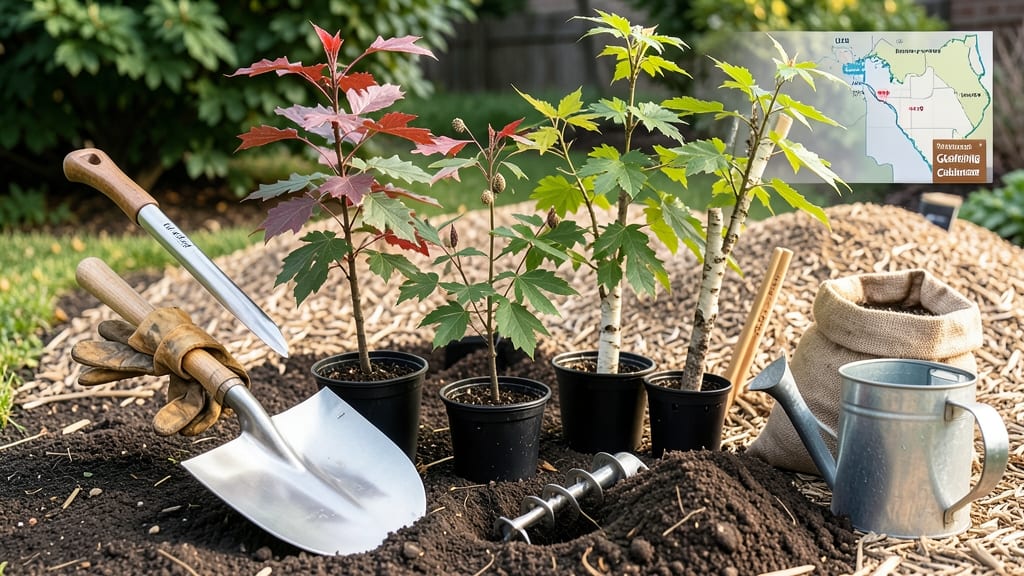
Timing your tree planting in Indiana isn't just about seasons—it's about the best months to give your 🌳 a fighting chance against frost, drought, and soil conditions. Plant too early, and you risk frost heave or weak root growth; too late, and your tree might struggle to establish before winter.
With Indiana's USDA zones 5b-6b, the ideal windows are narrow but critical: late March to early May or September to early November.
Why does this matter? Because trees planted at the right time grow stronger roots before winter, leading to faster canopy development and fewer long-term issues. Whether you're adding a shade tree to your yard or restoring native forests, understanding these windows can save you time, money, and frustration.
Let’s break down the science-backed timing that works for Indiana’s climate.
Fall planting, for example, gives trees a head start on root growth before winter dormancy—something Purdue Extension research confirms. Meanwhile, spring planting avoids the stress of summer heat. But not all trees thrive equally: oaks and maples prefer fall, while fruit trees often do better in early spring.
We’ll cover the specifics for your zone and tree type.
Ready to plant with confidence? You’ll learn the exact months to aim for, soil prep secrets, and how to avoid common mistakes that derail even the best-intentioned tree projects. Let’s get your 🌳 off to the right start.
Indiana planting zones: exact months for tree planting by region
Indiana’s USDA Hardiness Zones 5b-6b create distinct microclimates where planting timing can make or break your tree’s survival. Northern Indiana (Zone 5b) faces earlier frosts and colder winters, while southern Indiana (Zone 6b) enjoys longer growing seasons.
The key is planting when soil temperatures stay above 40°F and before the ground freezes—typically late March to early May for spring or September to early November for fall.
Container-grown trees offer flexibility year-round, but bare-root and balled-and-burlap trees demand precise timing. For example, oaks and maples thrive when planted in fall, while fruit trees like apples and cherries prefer early spring to avoid winter stress.
Purdue Extension data shows fall-planted trees establish 60% more roots before dormancy than spring-planted ones.
Here’s a breakdown of Indiana’s planting windows by zone and tree type, with climate data from Purdue Extension:
For bare-root trees, plant as soon as soil is workable—typically late March in southern Indiana and mid-April in the north.
If you miss spring, aim for fall planting by October 15 to allow roots to harden before winter. Container-grown trees are more forgiving but still benefit from spring or fall planting to avoid transplant shock.
Indiana’s last frost dates vary by region: April 15 in the north and March 30 in the south. Planting too early risks frost heave, where freezing and thawing cycles lift roots out of the soil.
Conversely, waiting too late in fall (after October 15) leaves insufficient time for root growth before winter dormancy.
Native species like white oak and sugar maple adapt well to Indiana’s climate, while fruit trees (e.g., peach, plum) need chill hours—a factor to research based on your zone.
Always check the USDA Plant Hardiness Zone Map for your exact location, as microclimates near lakes or urban areas can shift planting windows by weeks.
Pro tip: Use a soil thermometer to confirm ground temps are above 40°F before planting. In Zone 5b, this often means waiting until mid-April, while Zone 6b gardeners can start as early as March 15.
Mulch heavily (3–4 inches) after planting to insulate roots and retain moisture.
Remember, fall planting in Indiana is ideal because cooler temps reduce transplant shock, and trees focus energy on root growth instead of leaf production. If you’re planting in spring, do it before buds swell—typically by early May—to avoid stressing the tree.
🌳
Why fall planting wins for Indiana trees: science-backed advantages
Indiana’s fall planting window—from mid-September to early November—offers trees a 60%+ root growth advantage before winter dormancy. Cooler temperatures reduce transpiration stress, while fewer weeds and pests mean less competition for nutrients. This head start translates to faster canopy development and stronger trunks by spring.
Research from Purdue Extension shows that trees planted in fall establish roots 3x deeper than spring-planted counterparts by winter. The key is timing: plant at least 6 weeks before the first hard frost (typically October 15 in most of Indiana) to allow roots to harden before freezing.
For bare-root trees, fall is ideal because they enter dormancy naturally, reducing transplant shock. Container-grown trees also thrive in fall, as their roots won’t outgrow the pot before winter.
Native species like red oaks, sugar maples, and serviceberries are perfect fall candidates—they’re adapted to Indiana’s climate and benefit from this timing.
🌱 Pro Tip: Amend heavy clay soils with compost or sand before planting to improve drainage. In northern Indiana (Zone 5b), aim for early September to avoid early frosts, while southern Indiana (Zone 6b) can extend planting until mid-November.
- 1. Root Growth Boost: Cooler temps = less water loss, deeper roots.
- 2. Weed/Pest Reduction: Fewer competitors = more nutrients for your tree.
- 3. Natural Dormancy: Trees enter winter rest without stress.
- 4. Spring-Ready Canopy: Established roots = faster leaf-out next year.
- 5. Soil Moisture Retention: Fall rains hydrate roots before freeze.
Mulch 3–4 inches deep around the base (but keep it 6 inches from the trunk) to insulate roots. Avoid fresh mulch in spring, as it can smother young trees. For evergreens like pine or spruce, plant in early fall to allow root establishment before winter desiccation.
If you miss fall, early spring (late March–April) is your second-best window. Just avoid planting when soil is frozen or soggy—wait until the ground thaws and temperatures stay above 40°F at night.
For fruit trees, align planting with dormant season (fall or early spring) to sync with bloom cycles.
🌿 Remember: Indiana’s microclimates vary—check your last frost date (usually April 15 north to south). Native species like white oak or black walnut thrive with fall planting, while fast-growing willows can handle both spring and fall. The goal? Give your tree’s roots a fighting chance before winter sets in.