
Planting
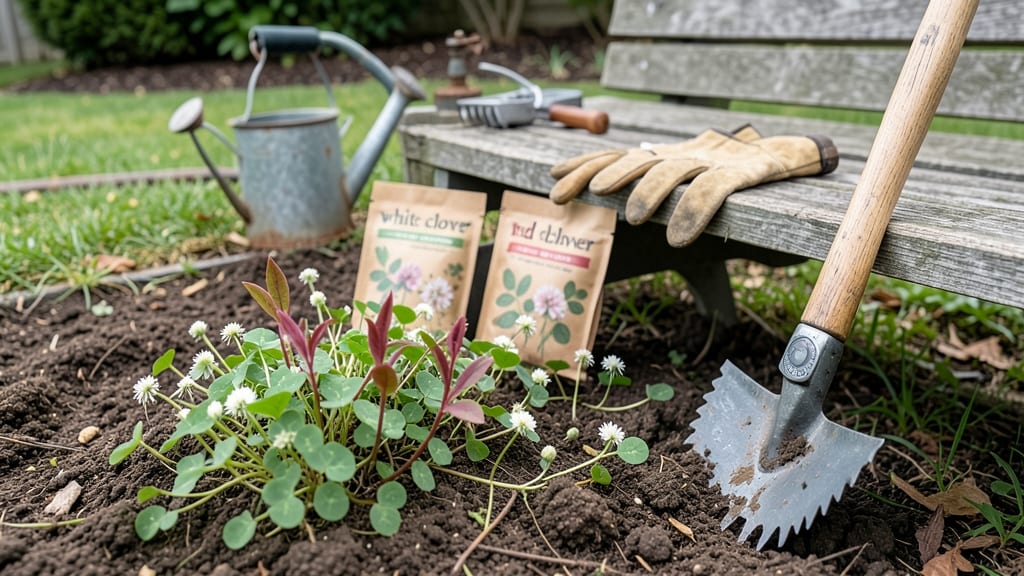
If you're wondering when to plant clover in your lawn, timing is everything—and getting it wrong could mean months of waiting for that vibrant green ground cover to take hold.
Most gardeners swear by early spring or early fall planting, but the best choice depends on your climate and soil conditions. In USDA Zone 6a, where frost dates bookend the growing season, planting after the last frost (around mid-April) gives clover the warm soil it craves to germinate quickly.
But here's the thing: fall planting can actually give you a head start on next year's growth. The cooler temperatures reduce weed competition, and established roots handle winter better. I'll walk you through both approaches so you can pick what works best for your lawn.
Whether you're overseeding or starting fresh, proper prep—like mowing short and aerating—makes all the difference. Let's break down the exact steps to ensure your clover thrives from day one.
Optimal planting seasons for clover in lawns: spring vs. fall breakdown
Choosing the right time to plant clover in your lawn depends on your climate zone and the soil temperature—both critical factors for successful germination. While many gardeners debate spring vs. fall, each season offers unique advantages.
For most U.S. regions, early spring (after the last frost) and early fall (4-6 weeks before the first frost) are ideal windows. Let’s break down why.
In spring planting, clover seeds germinate quickly when soil temperatures reach 50°F or warmer. This gives the plants a full growing season to establish roots before summer heat sets in.
However, spring planting requires careful timing—planting too early can expose tender seedlings to frost, while waiting too long may lead to drought stress as temperatures rise.
Fall planting, on the other hand, allows clover to grow slowly in cooler weather, avoiding the competition from weeds that often dominates summer lawns. The seeds also have time to root deeply before winter dormancy, resulting in a hardier lawn come spring.
Many experts recommend fall planting for northern climates, where summers can be harsh.
One key factor is soil moisture. Spring often brings inconsistent rainfall, while fall typically offers cooler temperatures and more reliable moisture, reducing the risk of seed desiccation. However, in drier climates, spring planting may be preferable to take advantage of early-season rains.
Here’s how each season compares for clover growth:
| Factor | Spring Planting | Fall Planting |
|---|---|---|
| Germination Speed | Fast (50°F+ soil) | Moderate (cooler temps slow growth) |
| Weed Competition | High (weeds thrive in warm soil) | Low (cooler temps suppress weeds) |
| Moisture Availability | Variable (depends on rain) | Consistent (cooler temps retain moisture) |
| Establishment Time | 6-8 weeks (summer heat risk) | 8-10 weeks (roots harden before winter) |
| Best For | Southern climates, early bloomers | Northern climates, drought-prone areas |
For northern U.S. zones (3-6), fall planting is often the winner. The cooler temperatures reduce stress on seedlings, and the rainfall patterns in autumn provide natural irrigation.
In contrast, southern zones (7-10) may benefit more from spring planting, as summers are longer and winters milder, allowing clover to establish before extreme heat arrives.
If you’re in a transitional zone (like Zone 7), you can split your seeding—plant half in early spring and half in early fall—to maximize coverage and resilience. This strategy ensures your lawn has year-round ground cover, even if one season fails.
Regardless of the season, always check your local frost dates and aim to plant clover 4-6 weeks before the first expected frost in fall or 2-4 weeks after the last frost in spring. This timing ensures seedlings aren’t caught off guard by temperature swings.
Pro tip: Use a soil thermometer to confirm temperatures. Clover seeds need soil that’s at least 50°F for optimal germination. If your soil is cooler, wait a few more days—patience pays off with stronger growth.
Finally, consider your lawn’s current condition. If your grass is thin or patchy, fall planting may give clover a better chance to fill gaps before spring competition from weeds. For a new lawn, spring planting can help establish a dense cover before summer stress sets in.
Optimal planting seasons for clover in lawns: spring vs. fall breakdown
Deciding between spring vs. fall planting for clover can feel overwhelming, but both seasons offer unique advantages. In USDA Zone 6a, where I live, spring planting (after the last frost, around mid-April) gives clover warm soil and long daylight to establish roots quickly.
However, fall planting (late August to early October) often results in stronger root systems before winter dormancy.
The key difference lies in soil temperature and weed competition. Spring planting requires soil to warm to at least 50°F for germination, while fall planting benefits from cooler temps that slow weed growth. Both methods work, but your local climate dictates which will give you the best results.
Let’s compare the two seasons side by side to help you decide what’s best for your lawn.
If you’re in a warmer climate (Zones 7-10), fall planting is ideal because summer heat can stress young clover plants. In cooler climates (Zones 3-5), spring planting often works better since fall may bring early frosts too soon.
I’ve found that overseeding in spring is easiest for most homeowners, but fall gives you a head start on next year’s growth.
For best results, test your soil’s pH level (6.0-7.0) before planting. Clover thrives in slightly acidic to neutral soil, and amending with compost or lime can improve germination rates. Whether you choose spring or fall, proper soil prep is half the battle.
Once you’ve picked your season, the next step is preparing your lawn—mowing short, aerating, and seeding correctly. I’ll walk you through that process in the next section to ensure your clover takes hold like a dream.